Crackly rye, a juicy beef patty, and a ribbon of melted Swiss and cheddar make a patty melt one of those sandwiches that disappears fast. The bread gets deeply toasted in butter while the onions cook down until soft, sweet, and bronzed enough to stand up to the beef. When it’s done right, every bite lands with crunch, melt, and a little tang from the special sauce.
The part that matters most is patience with the onions and heat management with the skillet. Caramelized onions need time; rushing them leaves you with sharp, oniony slices instead of the mellow jammy layer that gives this sandwich its backbone. The beef wants a hot pan for a fast sear, but the finished sandwich needs a lower, gentler return to the skillet so the cheese melts before the bread burns.
Below, I’ve included the little details that keep the bread crisp, the cheese evenly melted, and the sandwich from falling apart on the cutting board. If you’ve ever had a patty melt that tasted good but ate awkwardly, the assembly order here will fix that.
The onions turned out sweet and jammy, and the cheese melted all the way through without burning the rye. I’ve made this twice now, and the skillet finish is what kept the sandwich crisp instead of soggy.
Save this patty melt for the nights when you want crisp rye, melty cheese, and onions that cook down into something almost spreadable.
The Reason the Rye Stays Crisp Instead of Getting Greasy
The most common patty melt problem is steam. Once the bread gets soft from the onions, the sauce, and the hot patty, you lose that sharp contrast that makes the sandwich worth eating. This version keeps the layers organized so the bread toasts first, the patty sears hard, and the final skillet pass melts the cheese without soaking the rye through.
Using two cheeses helps here. Swiss brings the classic nutty melt, while sharp American or cheddar gives you the gooey pull and stronger flavor that balances the sweet onions. The special sauce is thin enough to spread, but not so wet that it turns the inside of the sandwich slippery.
- Cast iron — It holds heat well enough to sear the patties fast and toast the bread evenly. A thin nonstick skillet won’t give you the same crust.
- 80/20 beef — The fat matters here. Lean beef dries out before the bread is ready, and patty melts need a juicy center to stay satisfying.
- Rye bread — The sturdy, slightly tangy flavor is part of the point. Soft sandwich bread falls apart too easily once the onions and sauce go in.
- Caramelized onions — Don’t rush these. They’re the sweet, savory bridge between the beef and the cheese, and raw or lightly browned onions won’t give the same depth.
What the Onions, Cheese, and Sauce Are Each Doing
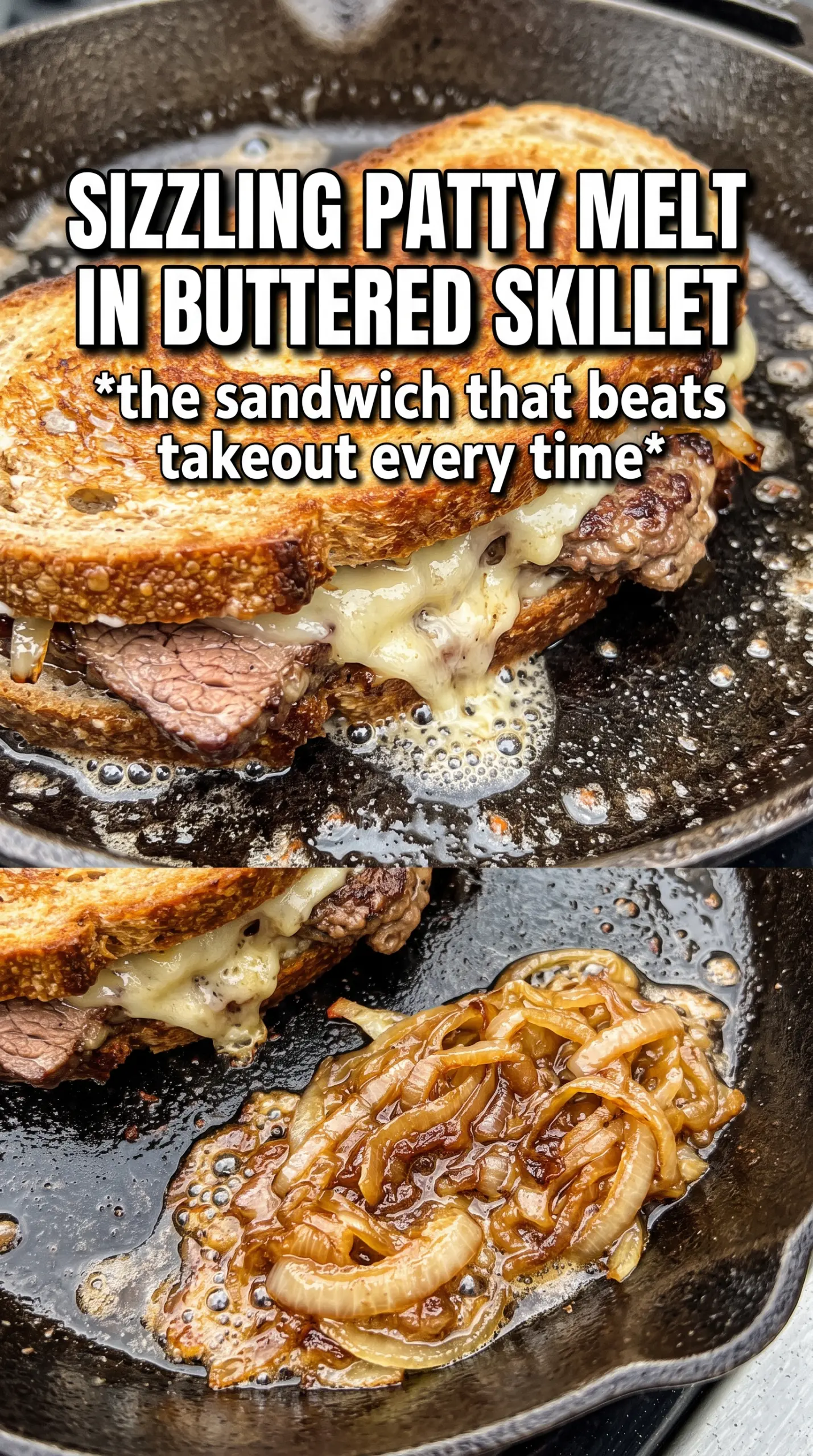
- Rye bread — Use a firm loaf with enough structure to hold the filling. If your slices are thin and flimsy, toast them a little longer before assembling so they can handle the juices.
- Swiss cheese — Swiss melts smoothly and gives you that classic savory edge. It’s worth using the real thing here because the flavor is part of what makes the sandwich taste like a diner-style patty melt.
- Sharp American or cheddar — This is the cheese that gives you the stretch and the bolder flavor. American melts the smoothest; cheddar tastes punchier but can get a touch oilier if the pan is too hot.
- Worcestershire sauce — It seasons the beef from the inside and deepens the umami without making the patties taste like a steak sauce sandwich. Don’t skip it unless you have to, because it gives the beef a more rounded flavor.
- Special sauce — The mayo, ketchup, Dijon, and Worcestershire combo adds creaminess, tang, and a little salt. Spread it thin; too much sauce will fight the bread and soften the sandwich.
Building the Patty Melt Without Burning the Bread
Cooking the Onions First
Start the onions in butter over medium-low heat and let them go until they’re soft, glossy, and deep golden. If they start browning too fast, the pan is too hot and the sugars will scorch before the onions soften. Stir them often at first, then less as they collapse and darken. They should taste sweet and rich, not sharp or bitter.
Searing the Beef Hard and Fast
Divide the beef into loose balls and season them well before they hit the skillet. When the pan is hot, smash each one thin right away so you get good contact with the surface. The patties should release cleanly once a crust forms; if you’re forcing them up, they need another minute. Don’t cook them until they’re dry — the final sandwich heat will finish them.
Toasting and Assembling in the Right Order
Butter the outside of the rye and toast it in the skillet until it’s golden and crisp. Then build the sandwich with sauce, onions, patty, both cheeses, and a little more onion before topping it with the second slice of bread. That layering keeps the cheese tucked around the hot meat so it melts from the inside out. If you put the cheese only on top, it takes longer to melt and the bread gets too dark.
The Final Press
Return the assembled sandwich to the skillet and press it gently. You want enough weight to help the cheese melt and bond the layers, but not so much that the filling squeezes out. Cook each side until the bread is deep golden and the cheese gives a soft pull when you cut in. Slice on the diagonal and serve it right away while the crust is still crisp.
How to Adapt a Patty Melt for Different Kitchens
Gluten-Free Version
Use a sturdy gluten-free sandwich bread with enough structure to hold up to the filling, and toast it a little longer than you think you need. It won’t have rye’s flavor, but the crisp edges and buttery crust still give you the right contrast.
Dairy-Free Swap
Use a plant-based butter for the bread and a melting dairy-free cheese that’s built for sandwiches, not just snacking. The texture won’t be quite as stretchy as the original, but the hot skillet finish still helps everything fuse together.
Swap the Meat for Mushrooms
For a vegetarian version, use thick-sliced mushrooms and cook them until their moisture cooks off and the edges brown. You’ll lose the beefy richness, so add a little extra Worcestershire-style seasoning or a splash of soy sauce to bring back depth.
Storage and Reheating
- Refrigerator: Store the cooked patties and onions separately for up to 3 days. Assembled sandwiches soften fast, so they’re better made fresh.
- Freezer: The cooked patties freeze well for up to 2 months. Freeze the bread and sauce separately instead of freezing a finished sandwich.
- Reheating: Warm the patties in a skillet over medium heat, then reassemble and finish the sandwich in a clean pan. Microwaving the whole thing makes the bread rubbery and the cheese greasy.
Questions I Get Asked About This Recipe
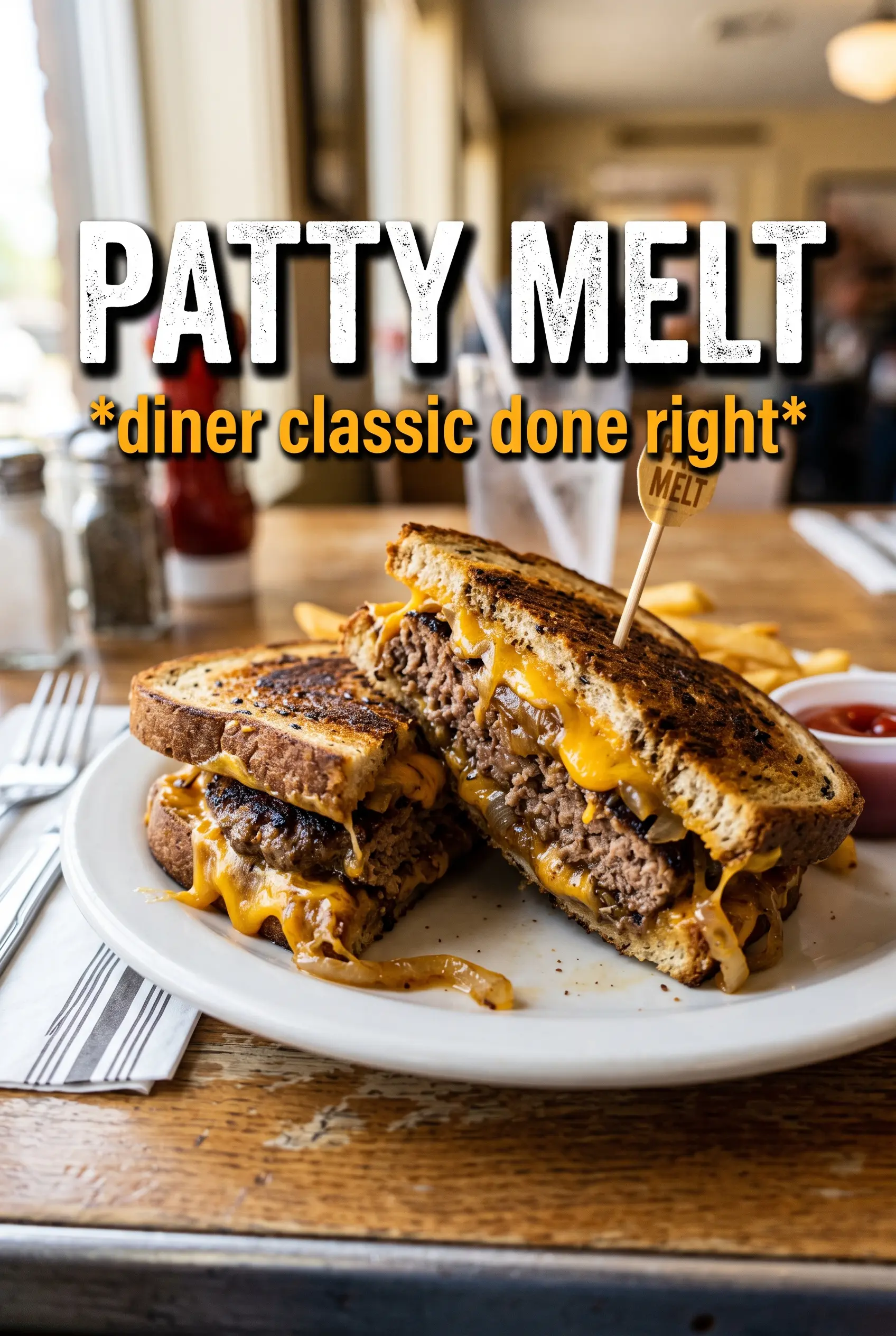
Patty Melt
Ingredients
Equipment
Method
- Melt 2 tablespoons of butter in a cast iron skillet over medium-low heat, then add the thinly sliced onions and season with salt and pepper.
- Cook the onions 25-30 minutes, stirring occasionally, until deeply golden and caramelized.
- Divide the ground beef into 4 balls, then mix in Worcestershire sauce, garlic powder, salt, and pepper for even seasoning.
- Heat the cast iron skillet over high heat, then smash each beef ball thin and cook 2-3 minutes per side, until browned and crisp at the edges.
- Butter the rye bread slices, then toast them in the skillet until lightly crisp and golden.
- Spread special sauce on the toasted rye bread, then layer onions, the patty, and both cheeses.
- Add more onions and top with the remaining toast, then return the sandwiches to the skillet and press.
- Cook 1-2 minutes per side over heat until the cheese is fully melted and the bread is toasted, then serve.