Tuscan white bean soup lands in the bowl with a brothy, silky texture that feels hearty without turning heavy. The beans soften just enough to give the soup body, the kale stays tender with a little bite, and the rosemary and parmesan build a savory base that tastes like it simmered all afternoon even though it comes together fast.
What makes this version work is the layering. Browning the pancetta first gives you a salty, smoky fat to cook the onion, celery, and garlic, and that base carries the whole pot. Mashing a portion of the beans at the end is the trick that thickens the broth naturally, so you get a creamy feel without adding flour or cream.
Below you’ll find the small details that matter most here, including how to keep the kale from going dull and how to get the broth tasting full and rounded even if you’re using vegetable stock.
The broth thickened up beautifully after I mashed some of the beans, and the rosemary gave it that cozy, restaurant-style taste. I used bacon and finished it with parmesan shavings, and my husband went back for a second bowl right away.
Save this Tuscan White Bean Soup for the nights when you want a brothy, bean-filled bowl with rosemary, kale, and a parmesan finish.
The Reason the Broth Tastes Rich Without Cream
The richness here comes from three places: the rendered pancetta fat, the parmesan rind, and the beans themselves. That matters, because cream can smooth a soup that tastes thin, but it won’t fix a broth that never had enough backbone in the first place. When you cook the vegetables in the pancetta fat, you’re building flavor into the pot before any liquid goes in.
The other move that changes everything is mashing some of the beans right in the soup. Don’t puree the whole pot unless you want a stew-like texture. Leaving most of the beans whole gives you a spoonable broth with enough body to cling to the kale and bread.
What Each Ingredient Is Actually Doing in the Pot
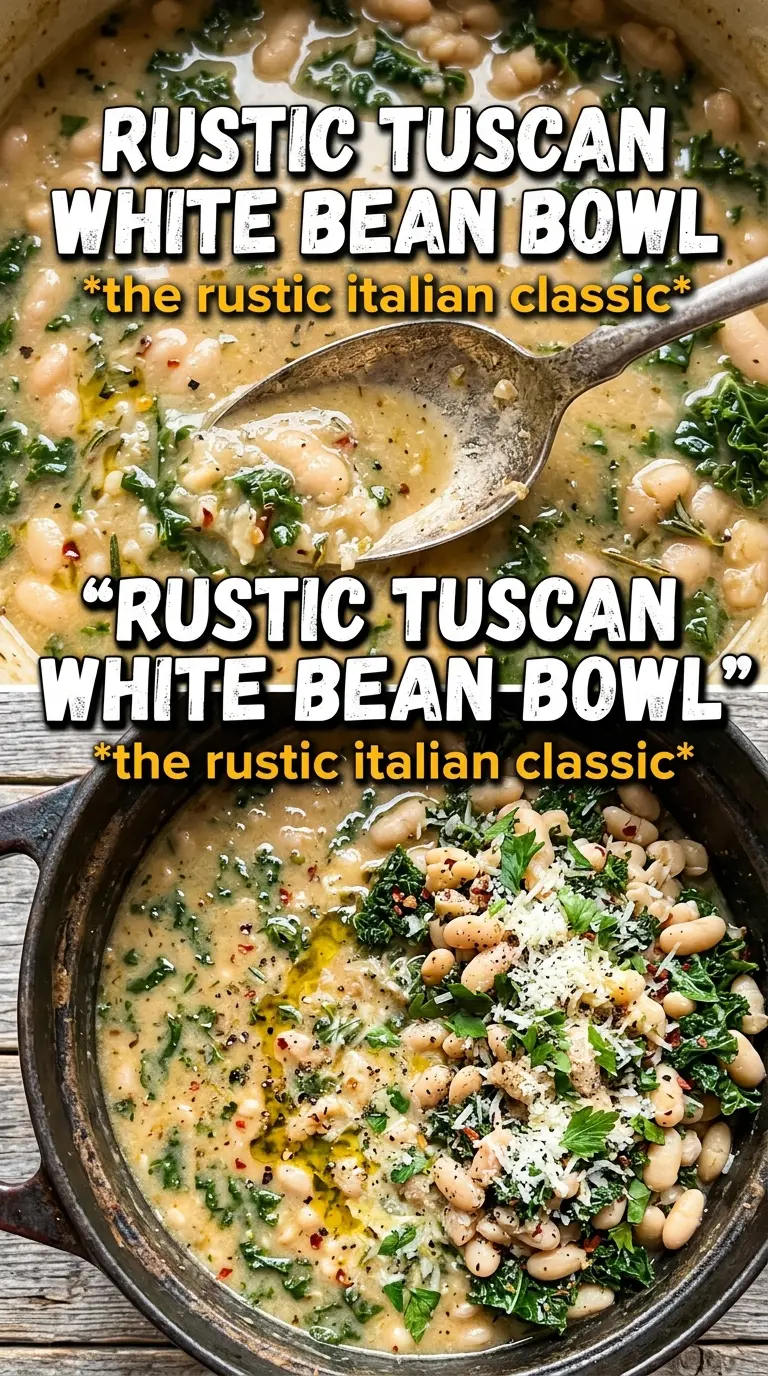
- Cannellini beans — These are the backbone of the soup. They soften into a creamy texture without falling apart, and they’re what lets you thicken the pot naturally at the end. Great northern beans can work in a pinch, but cannellini have a smoother, fuller bite.
- Pancetta or bacon — This gives the soup its first layer of salt and depth. Pancetta is a little more delicate and porky; bacon brings more smoke. If you use bacon, drain off excess grease if there’s a lot, but keep enough to coat the vegetables.
- Rosemary and parmesan rind — These two ingredients are what make the broth taste like it simmered much longer than it did. Fresh rosemary gives clean piney aroma, and the rind slowly melts savory intensity into the liquid. Skip the rind only if you have to; it’s one of the cheapest ways to add restaurant-level depth.
- Kale — Add it late so it stays bright and tender instead of turning swampy and overcooked. Tuscan kale or lacinato kale is ideal because it holds up better than curly kale, but both work if you strip out the tough stems first.
- Broth — Use a broth you’d actually drink on its own, because this recipe doesn’t hide weak stock. Chicken broth gives the roundest flavor, while vegetable broth keeps it meatless if you skip the pancetta too.
Building the Pot in the Right Order
Crisping the Pork First
Start with the pancetta or bacon in a large pot over medium heat and cook until the pieces are browned and crisp around the edges. That rendered fat is what flavors the onion, celery, and garlic, so don’t pour it out unless there’s an obvious excess. If the pork stays pale, the soup will taste flatter and less savory.
Softening the Aromatics
Add the onion and celery to the fat and cook until the onion turns translucent and the celery loses its raw crunch, about 5 minutes. Stir in the garlic near the end so it smells fragrant but doesn’t brown; burnt garlic will make the broth bitter. You want a soft, glossy base, not browned vegetables.
Simmering the Broth and Beans
Pour in the tomatoes, broth, rosemary, parmesan rind if you’re using it, and Italian seasoning, then bring the pot to a boil before lowering it to a steady simmer. Add the beans and let them cook long enough to absorb the broth, about 20 minutes. If the heat is too high, the beans can start to burst too early and the broth can turn muddy instead of clean and savory.
Finishing With Texture
Pull out the rosemary sprigs and parmesan rind, then mash about a third of the beans against the side of the pot with a spoon or potato masher. That gives you a thicker soup without losing the rustic feel. Stir in the kale and cook just until wilted and tender; if it goes in too soon, it loses its color and starts tasting boiled.
Vegetarian Version With the Same Depth
Skip the pancetta and use vegetable broth, then add a little extra olive oil at the start and keep the parmesan rind if you eat dairy. Without the pork, the soup leans more herbal and less smoky, so the rind and rosemary matter even more. If you want a fully vegetarian bowl, leave out the pancetta and finish with a little more parmesan on top.
Dairy-Free Bowl
Use vegetable broth and skip the parmesan rind and cheese topping. The soup still works because the beans and pancetta build body on their own, but the flavor will be a little cleaner and less savory. A final drizzle of good olive oil helps replace some of the richness you’d normally get from parmesan.
Extra-Thick, Spoon-Coating Soup
Mash half the beans instead of a third, or let the finished soup simmer uncovered for a few extra minutes. That gives you a denser texture that borders on stew, which is perfect if you’re serving it with crusty bread. Don’t overdo the reduction or the kale will overcook while you wait for the broth to tighten.
Storage and Reheating
- Refrigerator: Store for up to 4 days. The broth thickens as it sits, and the beans keep absorbing liquid.
- Freezer: This freezes well for up to 3 months. Cool it completely first, then freeze in portions; the kale will soften a bit more after thawing but still holds up.
- Reheating: Warm it gently on the stove over medium-low heat with a splash of broth or water if needed. Don’t boil it hard, or the beans can break down too much and the kale will go from tender to limp.
The Questions That Come Up After the First Pot
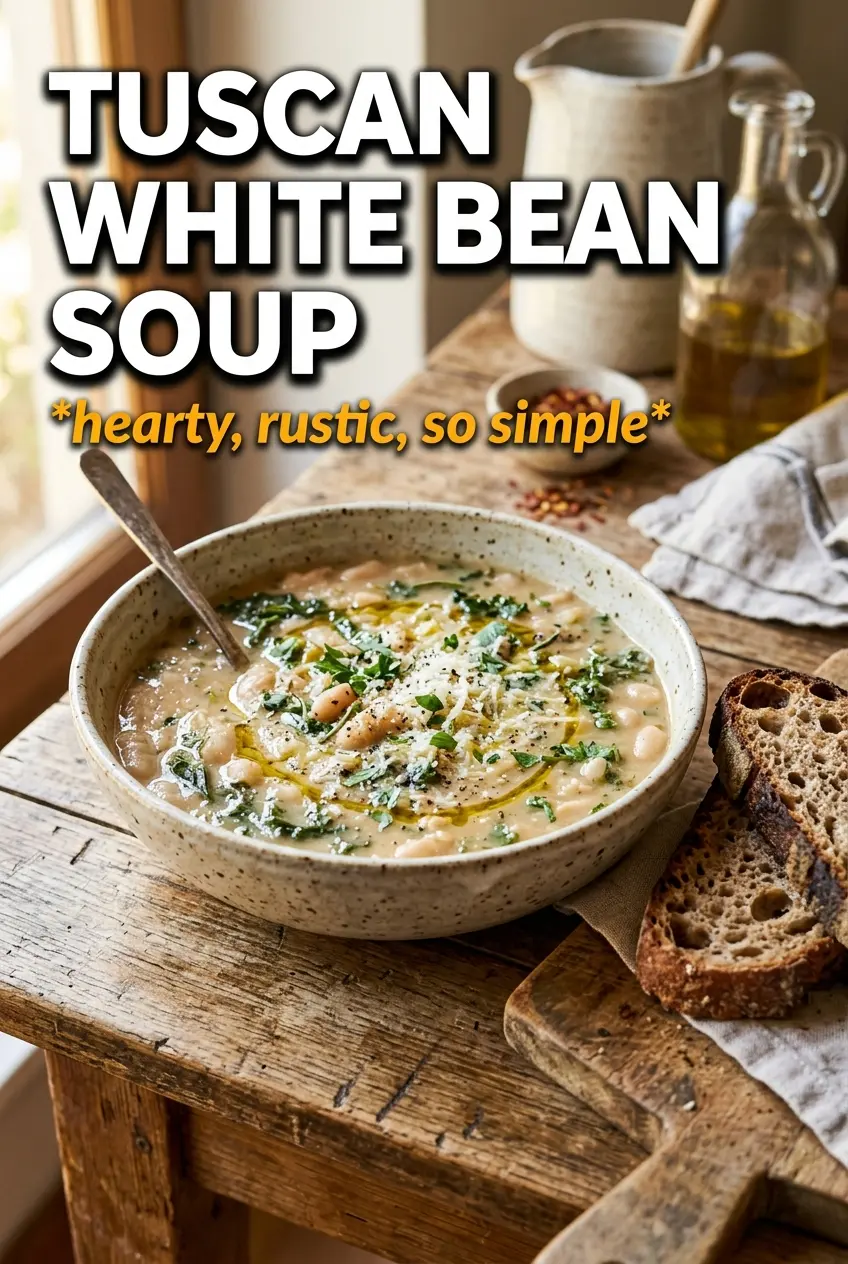
Tuscan White Bean Soup
Ingredients
Equipment
Method
- Cook the pancetta in a large pot until crispy, then remove and set aside.
- Leave the rendered fat in the pot for sautéing the vegetables.
- Sauté the onion, celery, and garlic in the fat for 5 minutes, stirring until fragrant.
- Add the diced tomatoes, broth, rosemary sprigs, parmesan rind if using, and Italian seasoning, then bring to a boil.
- Add the cannellini beans and simmer for 20 minutes.
- Remove the rosemary and parmesan rind, then mash about a third of the beans in the pot to thicken the soup.
- Add the kale and simmer for 5-8 minutes until wilted.
- Season with salt and pepper to taste, then drizzle with olive oil and top with parmesan and pancetta.