Sliced pork tenderloin turns weeknight dinner into something that looks far fancier than the effort it takes. The pork stays tender and juicy, the glaze clings in a glossy layer, and the jalapeños soften just enough to bring heat without taking over the whole pan. Every bite gets that sweet-salty-spicy balance that makes people keep reaching back in for one more piece.
This version works because the pork is seared first and pulled before it overcooks, then the glaze is built right in the same skillet. That means the browned bits from the meat dissolve into the sauce instead of getting left behind. Honey gives the glaze shine and body, soy sauce adds depth, and the vinegar keeps it from tasting flat or sticky-sweet. The butter goes in at the end for a smoother finish and a little extra gloss.
Below, I’ll walk you through the one place this dish can go wrong, the ingredient swap that matters most, and a few ways to adapt it if you want more heat or need a pantry-friendly shortcut.
The glaze thickened up beautifully and coated every slice without getting gummy. I used one jalapeño with the seeds in and it had just the right kick with the honey.
Sweet Jalapeño Pork with a glossy honey glaze and caramelized pepper slices is the kind of skillet dinner worth keeping close.
The Part That Keeps the Pork Juicy Instead of Dry
Pork tenderloin cooks fast, which is the whole reason it works here. The problem is that fast also means unforgiving. If you leave the medallions in the skillet until they look deeply browned all the way through, they’ll go from tender to chalky before the glaze even goes on. Pull them when they’re just cooked through and let the sauce finish the job.
The other mistake is crowding the pan. You want a real sear on the pork, not a steam bath. Give each medallion space so the surface can brown in contact with the hot skillet, and don’t move them around until they release cleanly.
- Don’t overcook the pork. Tenderloin should stay pale pink in the center when it comes off the heat; the glaze and final toss bring it to perfect doneness.
- Use a hot skillet. Medium-high heat gives you browning before the pork dries out.
- Leave the browned bits alone. Those caramelized bits are what make the glaze taste like it cooked for much longer than it did.
What the Honey, Soy, and Jalapeño Each Bring to the Pan
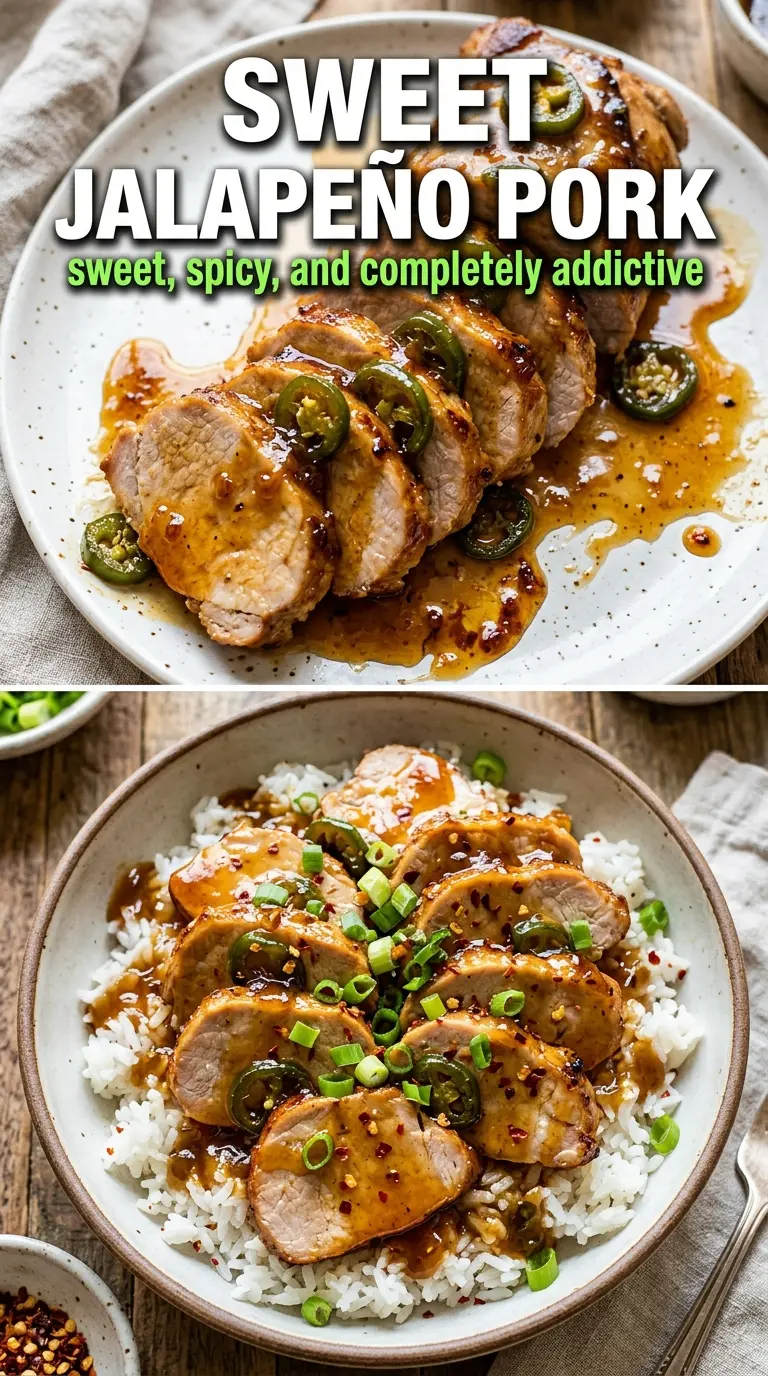
- Honey — This is what gives the glaze its shine and that sticky-sweet coating on the pork. Maple syrup can work in a pinch, but it tastes deeper and less bright; honey keeps the sauce cleaner and more balanced.
- Jalapeños — Thin slices soften fast and perfume the whole skillet. If you want more heat, leave some seeds in; if you want a gentler sauce, remove them and the ribs before slicing.
- Soy sauce — It brings salt and savory depth so the glaze doesn’t read like candy. Use low-sodium if that’s what you keep around, but don’t skip it; the pork needs that backbone.
- Apple cider vinegar — A small amount keeps the glaze lively and cuts through the sweetness. Another mild vinegar works, but ACV fits the honey and pepper especially well.
- Butter — Stirring it in at the end softens the glaze and gives it a silky finish. Add it off the heat or on very low heat so the sauce stays glossy instead of breaking.
Building the Glaze Before It Thickens Too Far
Searing the Pork First
Season the medallions generously with salt and pepper, then lay them in the hot oil in a single layer. You want a deep golden crust on both sides and a center that’s just cooked through. If the pork starts to dry out before it browns, the skillet is too cool or the pan is crowded. Work in batches if you need to.
Softening the Jalapeños and Garlic
Once the pork is out, the skillet should still have heat and plenty of flavor stuck to the bottom. Add the jalapeños and garlic and cook just until they smell fragrant and the peppers soften a little. Garlic burns fast in a bare skillet, so keep it moving. If it darkens too quickly, lower the heat before the sweetness goes in.
Reducing the Sweet Jalapeño Glaze
Pour in the honey, soy sauce, vinegar, and broth, then stir until the browned bits dissolve into the liquid. Let it simmer until it starts to look slightly syrupy and coats the back of a spoon. If it reduces too fast, the honey can taste sharp instead of rounded, so keep the simmer gentle. Swirl in the butter at the end for a smoother finish.
Coating the Pork and Serving It Hot
Return the pork to the pan and spoon the glaze over every piece until it’s lacquered and glossy. The pork only needs a minute or two in the sauce, just enough to warm through and pick up flavor. Serve it right away while the glaze is still loose enough to drizzle over rice, mashed potatoes, or vegetables.
Three Ways to Adjust the Heat, Sweetness, or Dietary Needs
Make it spicier without changing the sauce
Keep some jalapeño seeds and ribs in the pan, or add a pinch of red pepper flakes with the garlic. That gives the glaze a sharper finish without making it taste hotter than the pork itself.
Make it gluten-free
Swap the soy sauce for tamari or a certified gluten-free soy sauce. The flavor stays almost the same, and the glaze still reduces and clings the way it should.
Use pork chops instead of tenderloin
Bone-in or boneless pork chops work, but they need a little more time in the skillet and a little more care not to overcook. Bone-in chops stay juicier, while boneless chops cook faster and are easier to glaze evenly.
Dial back the sweetness
Cut the honey to 2 tablespoons and keep the vinegar as written. The glaze will be a little looser and less sticky, but the pork flavor comes through more clearly.
Storage and Reheating
- Refrigerator: Store leftovers in an airtight container for up to 3 days. The glaze will thicken as it chills, but it loosens again with heat.
- Freezer: It freezes well for about 2 months, though the jalapeños soften more after thawing. Freeze the pork and sauce together so the meat stays coated and doesn’t dry out.
- Reheating: Warm it gently in a skillet over low heat with a splash of broth or water. High heat makes the pork tough and can push the glaze past glossy into sticky.
Answers to the Questions Worth Asking
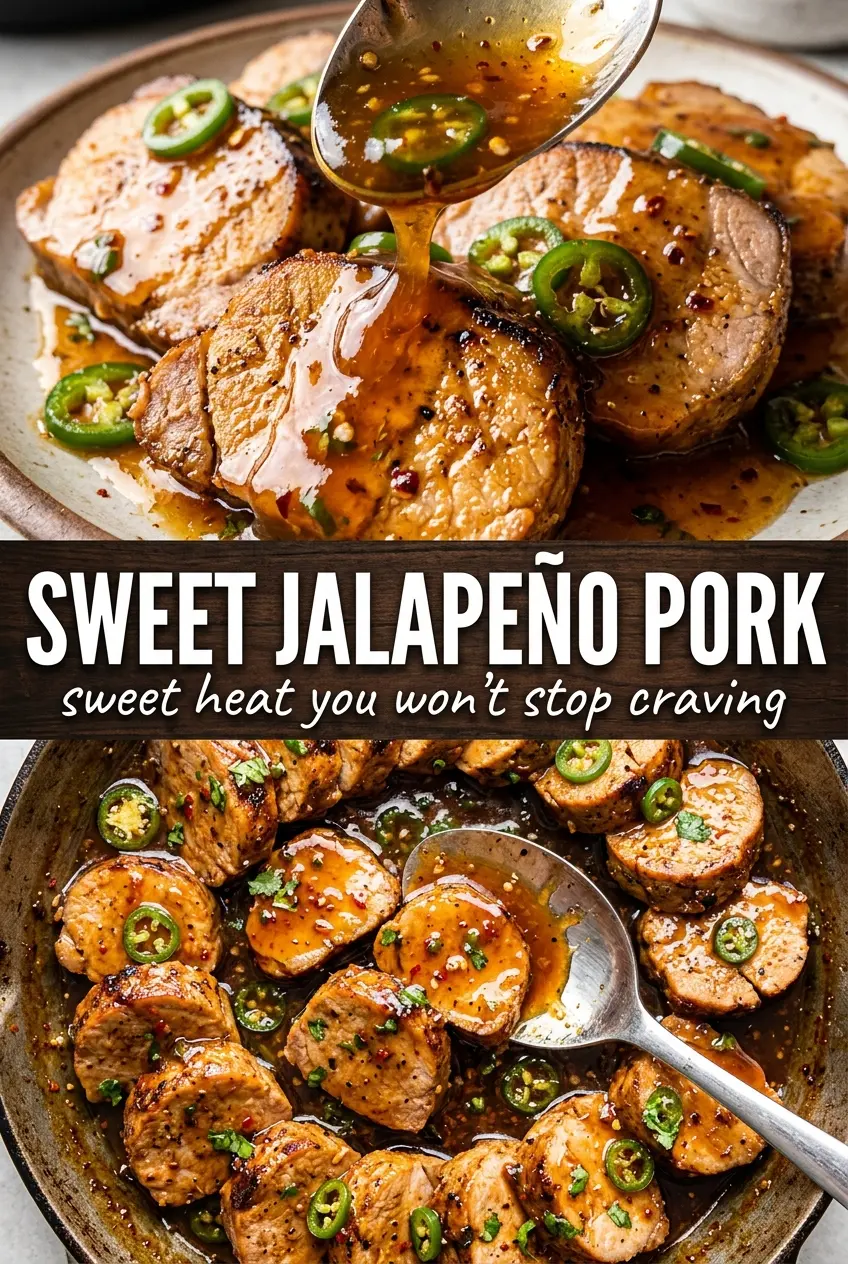
Sweet Jalapeño Pork
Ingredients
Equipment
Method
- Season the pork medallions with salt and black pepper, then sear in olive oil in a large skillet over medium-high heat for 3–4 minutes per side until golden and just cooked through. Set the seared pork aside so it stays warm while you make the glaze.
- Add garlic and jalapeños to the pan and cook over medium-high heat for 1–2 minutes until the jalapeños soften and turn fragrant. Scrape up any browned bits for maximum flavor.
- Stir in honey, soy sauce, apple cider vinegar, and chicken broth, then simmer over medium-high heat for 3–4 minutes until the sauce thickens slightly. Swirl in butter at the end until the glaze turns glossy.
- Return the pork to the pan and spoon the jalapeño glaze over each piece. Serve immediately with extra glaze drizzled on top, so the medallions stay tender and the glaze clings.