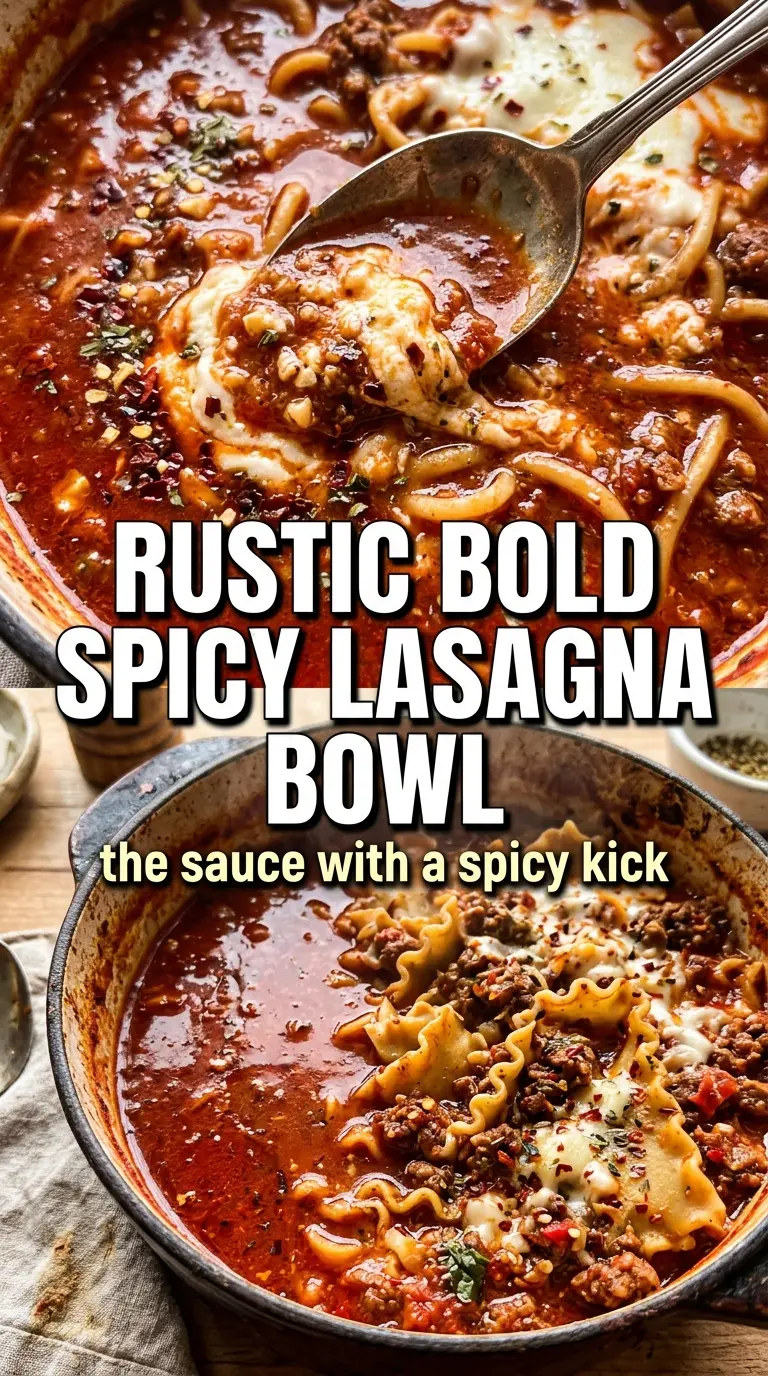
Spicy lasagna soup hits that sweet spot between cozy and bold: a deep tomato broth, hot sausage, tender ribbons of pasta, and a cool ricotta topping that keeps every spoonful balanced. It eats like lasagna without the layering, resting, or extra dishes, which is exactly why it earns a spot in the weeknight rotation.
What makes this version work is the way the heat is built in stages. The sausage brings the first layer of spice, then jalapeño, red pepper flakes, cayenne, and smoked paprika deepen it without flattening the tomato base. Breaking the lasagna noodles into rough pieces also matters more than it seems; they catch the broth instead of turning the soup into a starchy tangle.
Below, you’ll find the little details that keep the broth from tasting flat, plus the trick for making the ricotta topping taste fresh instead of heavy. If you’ve ever wanted lasagna flavor in a bowl with a little extra fire, this is the version worth keeping.
The broth had just enough heat, and the ricotta topping mellowed it out perfectly. I loved that the noodles stayed tender without getting mushy, even after sitting on the stove for a few minutes.
Pin this spicy lasagna soup for a bold, brothy bowl with hot sausage, jalapeño, and that cool ricotta finish.
The Heat Needs a Cooling Finish, Not More Broth
Spicy soup gets dull fast when the only thing changing is how much chili heat gets dumped into the pot. This recipe avoids that by building a hot base and then finishing with a cold, creamy cheese dollop that lands on the broth instead of disappearing into it. That contrast keeps the soup lively all the way to the last spoonful.
The other detail that matters is when the tomatoes go in. Tomato paste needs a minute with the aromatics and spices before the broth hits the pan, or it tastes flat and tinny. Cooking it first deepens the soup and gives the broth that thick, slow-simmered body even in a 30-minute recipe.
- Hot Italian sausage — This does more than add meat. It seasons the broth from the start and gives you built-in heat, fat, and browned bits that carry flavor into every sip. Mild sausage works, but you’ll lose some of the layered spice.
- Fire-roasted diced tomatoes — These add a smoky edge that makes the soup taste like it simmered longer than it did. Regular diced tomatoes work in a pinch, but the fire-roasted version gives the broth more depth.
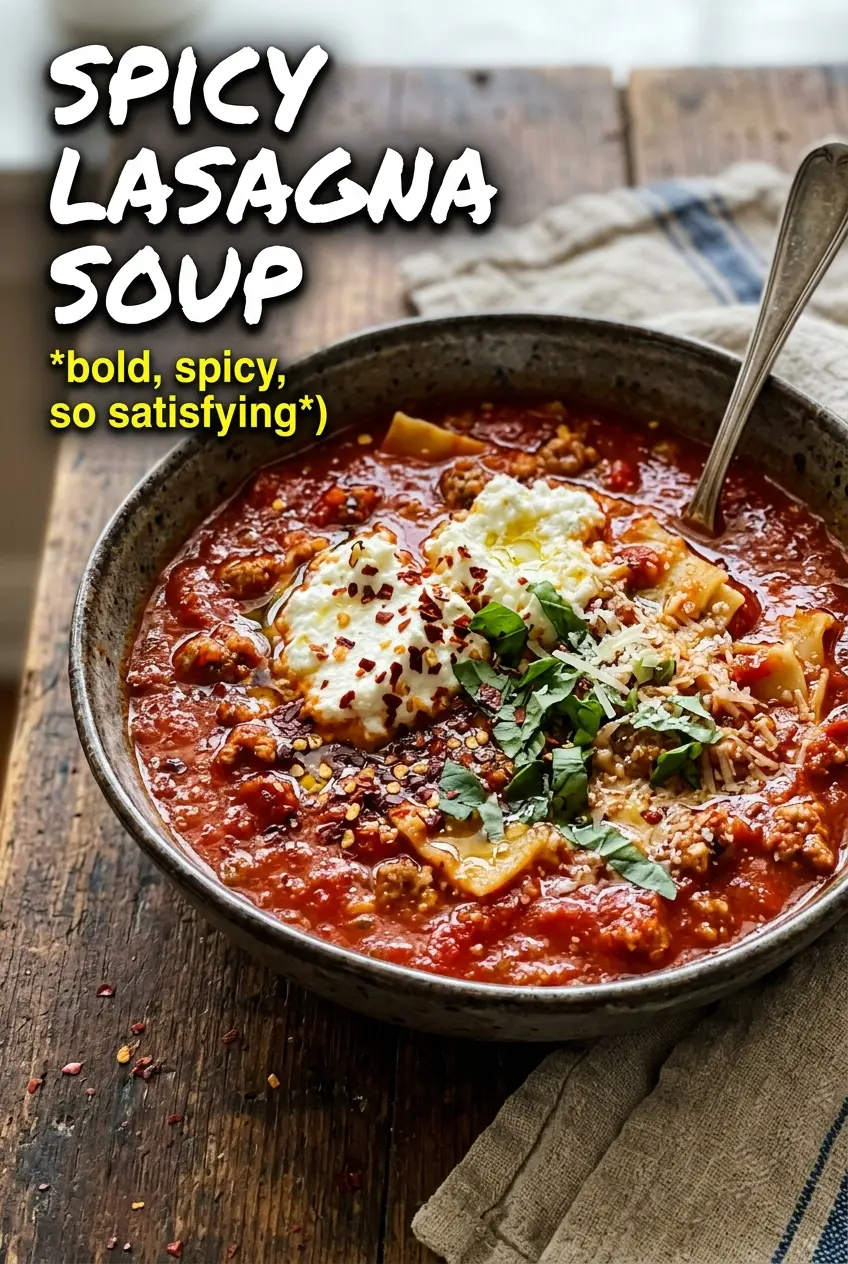
- Ricotta-mozzarella topping — Keep the ricotta cold and don’t overmix it. A little texture is what keeps the topping from turning into a gluey blanket once it hits the soup. The mozzarella and parmesan sharpen the finish and stop the ricotta from tasting bland.
- Broken lasagna noodles — Break them into rough pieces, not tiny shards. Larger pieces hold up better in the broth and give you those true lasagna bites without turning the pot into noodle mush.
What Each Ingredient Is Actually Doing in This Recipe
- Primary ingredient (the star) — Quality matters most. Choose the best you can find.
- Cooking medium (oil, butter, or broth) — This carries flavors and prevents dryness.
- Seasonings (salt, pepper, spices, herbs) — Layer flavors so nothing overpowers. Build depth gradually.
- Aromatics (garlic, onion, herbs) — Cook with fat to bloom flavors. Become the foundation.
- Supporting ingredients — Complement the main ingredient without overpowering it.
- Sauce or liquid (if applicable) — Brings flavors together. Balance richness with acid.
- Acid (lemon, vinegar, wine, or other) — Brightens and prevents flat-tasting results.
- Final finish (garnish, glaze, or sauce) — Prevents one-dimensional taste and adds visual appeal.
How to Keep the Pasta Tender Without Turning the Broth Starchy
Building the Spicy Base
Start by browning the sausage until you get good color on the bottom of the pot. If it looks pale, the broth will taste thin later. Once the onion goes in, let it soften and pick up the browned bits, then add the garlic, jalapeño, and tomato paste long enough for the raw edge to cook off. The pot should smell sweet, spicy, and a little smoky before you add the liquids.
Letting the Spices Bloom
Red pepper flakes, smoked paprika, cayenne, and Italian seasoning need a brief hit of heat before the tomatoes and broth go in. That short cook wakes up the dried spices and keeps the cayenne from tasting dusty. If the pan looks dry, stir constantly for that minute so nothing sticks or burns on the bottom.
Simmering the Noodles
Bring the soup to a boil before adding the broken noodles, then drop it to a steady simmer. You want the pasta tender with a little bite, not swollen and fragile. Stir every few minutes so the noodles don’t clump at the bottom, and start checking early because broken lasagna noodles can go from perfect to overdone fast.
Finishing the Bowl
Taste the soup after the noodles soften and season it with salt and pepper only at the end. The sausage, broth, and tomatoes all carry salt, and adding it too early can push the soup over the edge. Ladle it into bowls, add a spoonful of the ricotta mixture on top, then finish with chili oil. The hot oil and cold cheese give you the contrast that makes this dish work.
What to Change When You Want It Less Spicy, More Creamy, or Gluten-Free
Milder Version
Swap the hot Italian sausage for mild sausage and cut the cayenne in half. Keep the jalapeño if you want a little brightness, or leave it out for a softer tomato soup with lasagna character. You’ll lose some heat, but the soup still tastes full because the paprika, tomato paste, and cheese topping keep it grounded.
Extra-Creamy Finish
Stir a few spoonfuls of the ricotta mixture directly into the pot right before serving, then leave the rest for topping each bowl. That softens the broth and gives it a richer body without turning it into a cream soup. Don’t boil after adding the cheese or it can grain out.
Gluten-Free Bowl
Use a sturdy gluten-free lasagna noodle or broken gluten-free pasta with a similar shape. Cook it just until tender, because many gluten-free noodles keep softening in the broth after the heat is off. If the noodles drink up more liquid than expected, splash in extra broth before serving.
Storage and Reheating
- Refrigerator: Store for up to 4 days. The noodles will keep soaking up broth, so expect the soup to thicken.
- Freezer: Freeze the soup without the noodles if you can. Pasta gets soft after thawing, so add fresh noodles when you reheat for the best texture.
- Reheating: Warm it gently on the stove over medium-low with a splash of broth or water. High heat can make the noodles go mushy and can overcook the ricotta topping if you stir it in too early.
Questions I Get Asked About This Recipe
Spicy Lasagna Soup
Ingredients
Equipment
Method
- Brown hot Italian sausage in a large pot over medium-high heat, then drain the fat (about 6–8 minutes). You’re looking for browned crumbles with no visible pink.
- Sauté the diced onion for 4 minutes, stirring occasionally until softened. Add minced garlic, minced jalapeños, and tomato paste, then cook for 2 minutes until fragrant.
- Stir in red pepper flakes, smoked paprika, and cayenne, then cook for 1 minute. The spices should darken slightly and look glossy.
- Add crushed tomatoes, diced fire-roasted tomatoes, chicken broth, and Italian seasoning, then bring to a boil. Keep it at a steady boil before lowering heat.
- Add broken lasagna noodles and simmer for 10–12 minutes until tender. Stir occasionally so noodles don’t stick, and watch for softened edges.
- Season with salt and pepper to taste. Taste and adjust until the broth pops.
- Mix ricotta, mozzarella, and parmesan for the cooling dollop, then top each bowl with a spoonful. Serve with a drizzle of chili oil and finish with fresh basil.