Mustard potato salad brings the kind of bright, creamy bite that cuts right through grilled meats, sandwiches, or a heavy picnic spread. The potatoes stay tender without turning mushy, and the dressing clings in a way that makes every forkful taste fully seasoned instead of just coated.
The balance matters here. Yellow mustard gives the salad that classic tang and color, while Dijon adds depth so it tastes rounded instead of sharp. A little vinegar wakes up the mayonnaise, and chilling the finished salad gives the dressing time to settle into the potatoes instead of sitting on top of them.
Below, I’ll walk through the one detail that keeps the texture right, how to adjust the mustard level to suit your table, and the best way to make this ahead so it tastes even better after a couple of hours in the fridge.
The dressing thickened up beautifully after chilling, and the potatoes held their shape instead of turning pasty. The mustard flavor was bold without being harsh, which is exactly what I wanted for a cookout side.
Save this mustard potato salad for the next cookout when you want a tangy, make-ahead side with classic deli-style flavor.
The Trick to Keeping the Potatoes Intact After Mixing
The biggest mistake with potato salad is dressing potatoes that are either too hot or too aggressively handled. If they’re steaming, they’ll keep cooking and soften into the dressing. If they’re stirred like mashed potatoes, the edges break down and the salad turns dense instead of chunky.
Yukon golds are the right choice here because they stay creamy without disintegrating. Boil them just until a knife slides in with a little resistance, then drain them well and let them cool enough that they’re warm, not hot, before mixing. That temperature gives the dressing a chance to absorb without turning the potatoes to paste.
- Potatoes — Yukon golds hold their shape better than russets and still taste buttery. If you cut them evenly, they cook at the same rate and the salad stays balanced.
- Cooling time — This isn’t wasted time. As the potatoes cool, their texture firms up and they’re less likely to break when you fold everything together.
What the Mustards and Mayo Are Really Doing Here
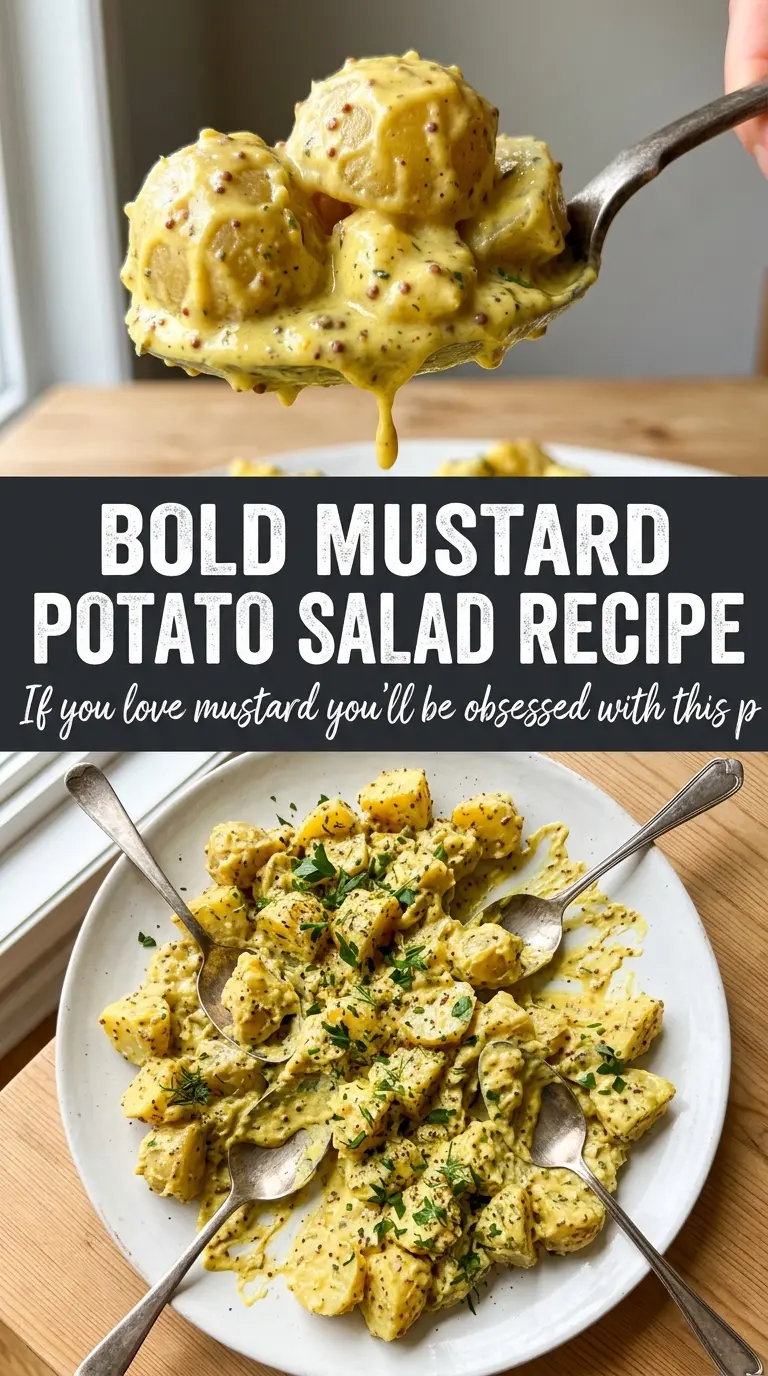
- Mayonnaise — This builds the creamy base and helps the dressing coat every piece. Use a mayo you already like, since it’s the backbone of the flavor.
- Yellow mustard — This gives the salad its classic color and the bright, familiar tang most people expect. It’s not interchangeable with Dijon if you want that traditional mustard potato salad taste.
- Dijon mustard — Dijon adds a sharper, more layered mustard note so the dressing doesn’t taste flat. A little goes a long way, and it keeps the salad from leaning too sweet.
- White vinegar and sugar — The vinegar tightens the dressing and the sugar softens the bite. That small amount of sugar matters because mustard needs a little roundness to taste balanced, not harsh.
- Celery and onion — They bring crunch and bite. Dice them fine so they disappear into the salad instead of overwhelming each forkful.
- Eggs — The chopped eggs make the salad richer and more substantial. They also help the dressing feel closer to the old-fashioned picnic version people remember.
Building the Salad So the Dressing Clings, Not Slides Off
Cooking the Potatoes to the Right Point
Start the potatoes in cold water and bring them up together so the centers cook evenly. Once they’re tender, drain them immediately so they don’t soak up extra water and go soggy. The goal is a soft potato that still slices cleanly, not one that crumbles at the edges when you poke it.
Mixing the Dressing Before It Hits the Bowl
Stir the mayonnaise, mustards, vinegar, sugar, salt, and pepper together until the dressing looks smooth and uniform. That step keeps the mustard from streaking through the salad and gives you a consistent bite every time. If the dressing tastes a little sharp at this stage, that’s normal; it mellows after it chills on the potatoes.
Folding Everything Together Without Crushing It
Add the potatoes, celery, onion, and eggs to a large bowl, then pour the dressing over the top and fold gently with a spatula. The best cue is visual: the potatoes should be coated, but still look like chunks, not a mash. If the salad seems loose, chill it first instead of adding more mayo right away, since the potatoes will absorb some of the dressing as it sits.
Giving It Time in the Fridge
Two hours of chilling is the minimum here. That resting time lets the mustard settle in and the texture firm up, which is why potato salad often tastes better later in the day. Right before serving, give it one last stir and taste for salt and pepper, since cold food always needs a little more seasoning than warm food.
How to Adjust This Potato Salad for Different Tables
For a stronger mustard bite
Increase the Dijon slightly and pull back a touch on the mayonnaise. You’ll get a sharper, more deli-style salad with a thinner dressing and a little less sweetness. This works well if the salad is serving alongside rich grilled meats.
Dairy-free version
This recipe is already dairy-free as written if your mayonnaise doesn’t contain dairy-based additives, which most standard brands don’t. Check the label if you’re cooking for someone with an allergy, then keep the rest of the method the same. The texture and flavor stay just as creamy.
No eggs in the bowl
Skip the hard-boiled eggs if you want a cleaner, more streamlined potato salad. The dressing will still coat the potatoes well, but the final dish will taste lighter and less rich. Add a little extra celery for crunch if you miss the texture.
Make-ahead storage
Refrigerate the potato salad in a covered container for up to 3 days. The flavor deepens overnight, though the potatoes will absorb more dressing and the salad may look a little thicker the next day. Stir before serving and add a spoonful of mayo if it needs loosening.
Answers to the Questions Worth Asking
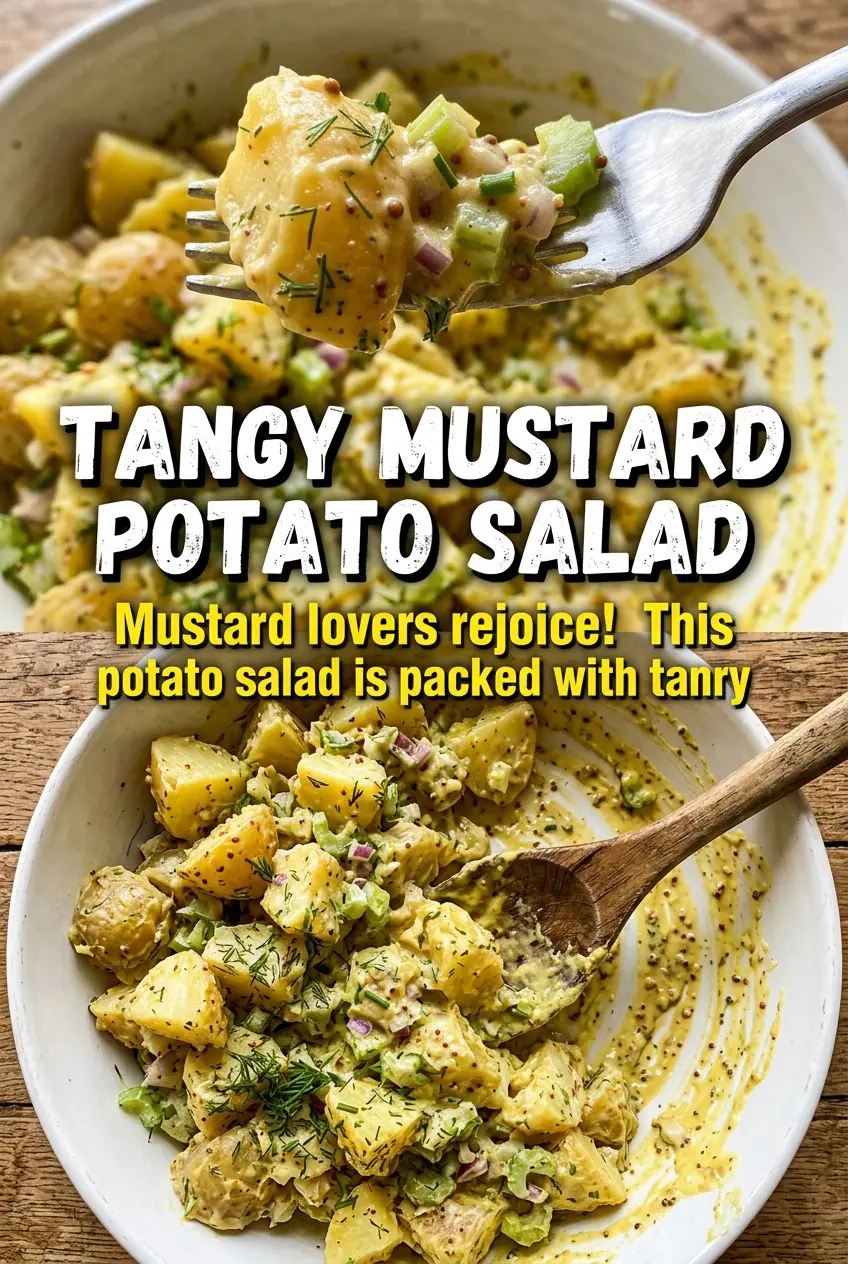
Mustard Potato Salad
Ingredients
Equipment
Method
- Bring a pot of water to a boil, then cook the cubed Yukon gold potatoes until tender, about 20 minutes, with a steady boil. A fork should slide in easily with no hard centers.
- Drain the potatoes and let them cool completely, about 10 minutes at room temperature. They should be cool to the touch before you assemble the salad.
- In a mixing bowl, combine mayonnaise, yellow mustard, Dijon mustard, white vinegar, and sugar. Stir until smooth and creamy with no mustard streaks.
- Season the dressing with salt and pepper to taste. Stop when the flavor tastes balanced and tangy.
- Add the cooled potatoes, diced celery, finely diced onion, and chopped hard-boiled eggs to the bowl. Toss gently so the add-ins are evenly distributed.
- Pour the mustard dressing over the potato mixture and toss well until every cube is coated. The salad should look glossy and evenly yellow-tinted.
- Refrigerate the salad for 2 hours before serving. It should feel firmer and more flavorful after chilling.