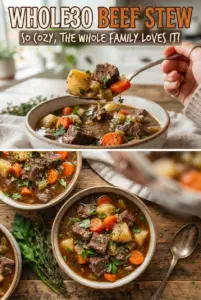
Hungarian goulash earns its place at the table because the broth turns deep brick-red, the beef goes spoon-tender, and the paprika doesn’t just season the pot — it becomes the whole backbone of the stew. When it’s done right, you get a bowl that tastes slow-cooked and layered, with soft onions melted into the base, sweet peppers in the background, and potatoes soaking up every bit of that rich broth.
The part that matters most is protecting the paprika. It goes in off the heat with the caraway after the onions are golden, and that one move keeps the spice from turning bitter. I also like using beef chuck cut into bigger cubes so it holds together during the long simmer instead of disappearing into shreds. The result is a stew with structure: tender beef, intact vegetables, and a broth that tastes concentrated instead of thin.
Below you’ll find the small timing details that make the biggest difference, plus a few smart swaps for making the pot fit what’s already in your kitchen.
The paprika bloomed in the onions beautifully and the broth turned such a rich red color. My potatoes held their shape and the beef was tender without falling apart.
Save this paprika-rich Hungarian Goulash for the kind of night that calls for tender beef, sweet peppers, and a broth that gets better as it simmers.
The One Mistake That Turns Paprika Bitter
The whole flavor of goulash depends on when the paprika hits the pot. If it goes onto direct heat with the onions still sizzling, it can scorch in seconds and leave the stew harsh instead of sweet and rounded. Pulling the pot off the burner before stirring in the paprika and caraway keeps the spice fragrant, which is what gives the broth its deep color and mellow warmth.
That pause doesn’t slow the recipe down in any meaningful way, but it changes the result completely. The onions should already be soft and golden, because they lend the paprika a little fat and moisture to dissolve into. Once the broth goes in, the base tastes fuller and more balanced, not dusty or burnt.
What Each Ingredient Is Actually Doing In This Goulash

- Beef chuck — This is the cut that gives you tender, braised chunks instead of dry shreds. It has enough connective tissue to soften during the long simmer, which is exactly what makes the broth feel hearty. A lean stew beef substitute will cook faster, but it won’t have the same plush texture.
- Sweet Hungarian paprika — This is the signature flavor, so use fresh paprika if you can. Old paprika tastes flat and dusty, which is impossible to hide here because it carries the whole dish. There isn’t a true substitute, though a mix of sweet paprika and a little smoked paprika can add depth if your jar is mild.
- Onions — They’re not just background flavor. After 10 minutes in the fat, they break down enough to thicken the broth slightly and make the stew taste slow-cooked from the start. Dice them evenly so they soften at the same rate.
- Potatoes and carrots — These turn the stew from a braise into a full meal. Add them later so they stay intact; if they go in too early, they’ll collapse before the beef is tender.
- Lard or oil — Lard gives the pot a rounder, more traditional richness, but vegetable oil works fine if that’s what you have. The important part is enough fat to coat the onions and carry the paprika without scorching it.
Building the Pot So the Paprika Stays Sweet
Golden Onions First
Cook the onions slowly in the lard or oil until they’re soft and golden at the edges. That color matters because raw onions taste sharp, while properly cooked onions melt into the broth and give it body. If the pan starts to brown too aggressively, lower the heat; dark onion bits can make the stew taste bitter before the paprika even goes in.
Off the Heat for the Paprika
Take the pot off the burner before adding the paprika and caraway. Stir for just a few seconds, enough to coat the onions and wake up the spices, then move straight to the beef. If you smell anything sharp or acrid at this point, the paprika has already taken too much heat and the final broth will taste flat.
Simmering the Beef Until It Gives
Once the broth, tomato paste, peppers, and bay leaf are in, cover the pot and keep the simmer gentle. You want small bubbles, not a hard boil, so the beef softens instead of tightening up. After about an hour, the meat should be starting to loosen at the edges but still have enough structure to hold its shape when you stir.
Adding the Root Vegetables at the Right Time
Potatoes and carrots go in only after the beef has had its head start. They need enough time to turn tender, but not so much that the potatoes fall apart and cloud the broth. The stew is ready when a knife slides into the potatoes with little resistance and the beef breaks apart with a fork without feeling stringy.
Paprika-forward with more heat
Add 1/4 to 1/2 teaspoon hot paprika along with the sweet paprika if you want more background warmth. It keeps the stew traditional in spirit but gives the broth a little more lift without turning it spicy.
Dairy-free serving
Skip the sour cream and finish the bowl with a spoonful of extra broth and a scatter of chopped parsley if you want brightness without dairy. The stew is still rich from the beef and onions, so nothing essential is lost.
Gluten-free by default
This recipe is naturally gluten-free as written, as long as your beef broth is gluten-free. That makes it an easy stew to serve to a mixed crowd without changing the method or texture.
Storage and Reheating
- Refrigerator: Keeps well for 4 days. The broth thickens as it chills, and the flavors deepen overnight.
- Freezer: Freezes well for up to 3 months. Cool it completely first, then portion it into airtight containers; the potatoes may soften a little after thawing, but the stew still reheats well.
- Reheating: Warm it slowly on the stove over medium-low heat with a splash of broth or water if needed. Don’t boil it hard, or the beef can tighten and the potatoes can break down too much.
Answers to the Questions Worth Asking
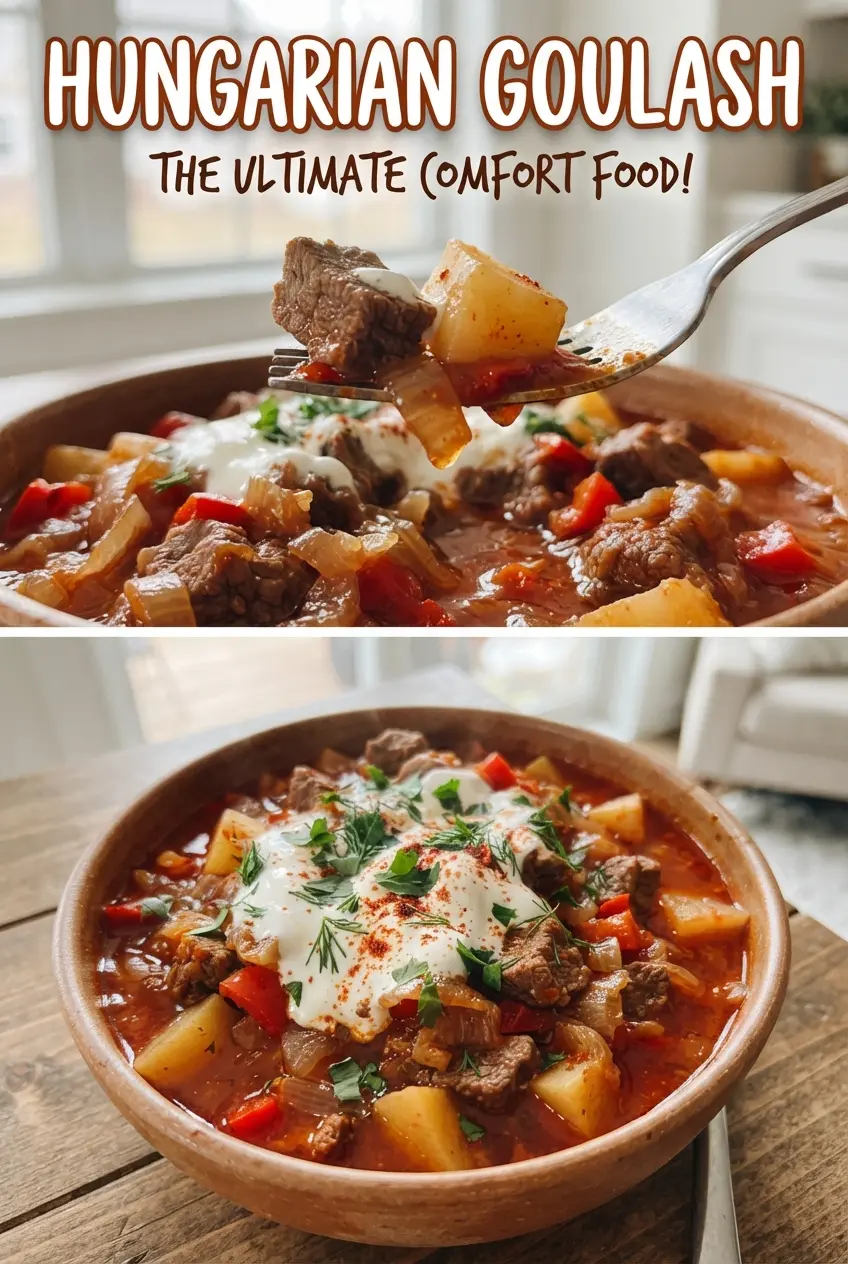
Hungarian Goulash
Ingredients
Equipment
Method
- Heat lard or vegetable oil in a Dutch oven over medium heat and cook the onions for 10 minutes, stirring until golden and translucent. Add the garlic and cook for 1 minute until fragrant.
- Remove the pot from the heat, then stir in sweet Hungarian paprika and caraway seeds so the spices don’t burn. The mixture should look darker and aromatic.
- Add the beef chuck and stir to coat well, then return to medium heat and cook for 5 minutes. Look for the beef edges to begin browning.
- Stir in tomato paste, red bell pepper, green bell pepper, beef broth, salt, black pepper, and bay leaf. Scrape up any browned bits so they dissolve into the sauce.
- Cover and simmer for 1 hour, keeping a gentle bubble throughout. You should see the broth thicken slightly and the beef start to become tender.
- Add the cubed potatoes and sliced carrots, then cover and simmer for 45 minutes until the beef and potatoes are tender. The potatoes should offer no resistance when pierced.
- Remove the bay leaf and serve the goulash hot with sour cream. Finish with a visible dollop on top so it melts into the red broth.