Zucchini coins with one side burned into a deep, nutty gold and the other left pale and tender have a way of turning a plain vegetable into the thing everyone reaches for first. This version gets its appeal from restraint: one hard sear, a quick bath in brown butter, and a finishing pinch of salt that makes the sweetness of the zucchini stand out instead of disappearing.
The trick is not complexity. It’s dryness, heat, and patience. Zucchini holds a lot of water, and if it goes into a lukewarm pan, it steams before it ever browns. A hot stainless steel or cast iron skillet and a single layer of slices give you that crisp, caramelized surface without overcooking the centers. The butter goes in after the sear, not before, so it can brown into a noisette instead of scorching while the zucchini is still trying to color.
Below you’ll find the small details that matter here: how dry the zucchini needs to be, why one-sided searing works so well, and what to do if your pan starts smoking too fast. Once you’ve made it this way, it’s hard to go back to soft, watery zucchini again.
I finally got zucchini with a real sear instead of a soggy panful. The brown butter coated the coins perfectly, and the fleur de sel on top made them taste much more expensive than they are.
Save this brown-butter zucchini for the night you want a simple side dish with a true golden crust and a restaurant-style finish.
The Reason One-Sided Searing Beats Tossing the Zucchini Around
The temptation with zucchini is to keep moving it. That’s usually what ruins the texture. Every time you flip, stir, or crowd the pan, you give off heat and push the vegetable closer to soft and pale instead of crisp and browned. One-sided searing changes the whole result: the cut face develops a deep crust, while the interior stays tender and lightly creamy.
The pan has to be hot enough that the zucchini sizzles the second it lands. If it just sits there quietly, the surface water is evaporating before any browning happens. That’s when you end up with wrinkled, leathery rounds instead of glossy gold coins. Let the zucchini sit undisturbed until the bottom releases on its own and the color is a rich amber, not just tan.
Butter is added after the sear because butter alone burns too fast at the heat needed for proper browning. The neutral oil gives you a higher smoke point, then the butter picks up the browned bits and turns them into a nutty finish. That’s the part people taste and remember.
What Each Ingredient Is Actually Doing in This Dish
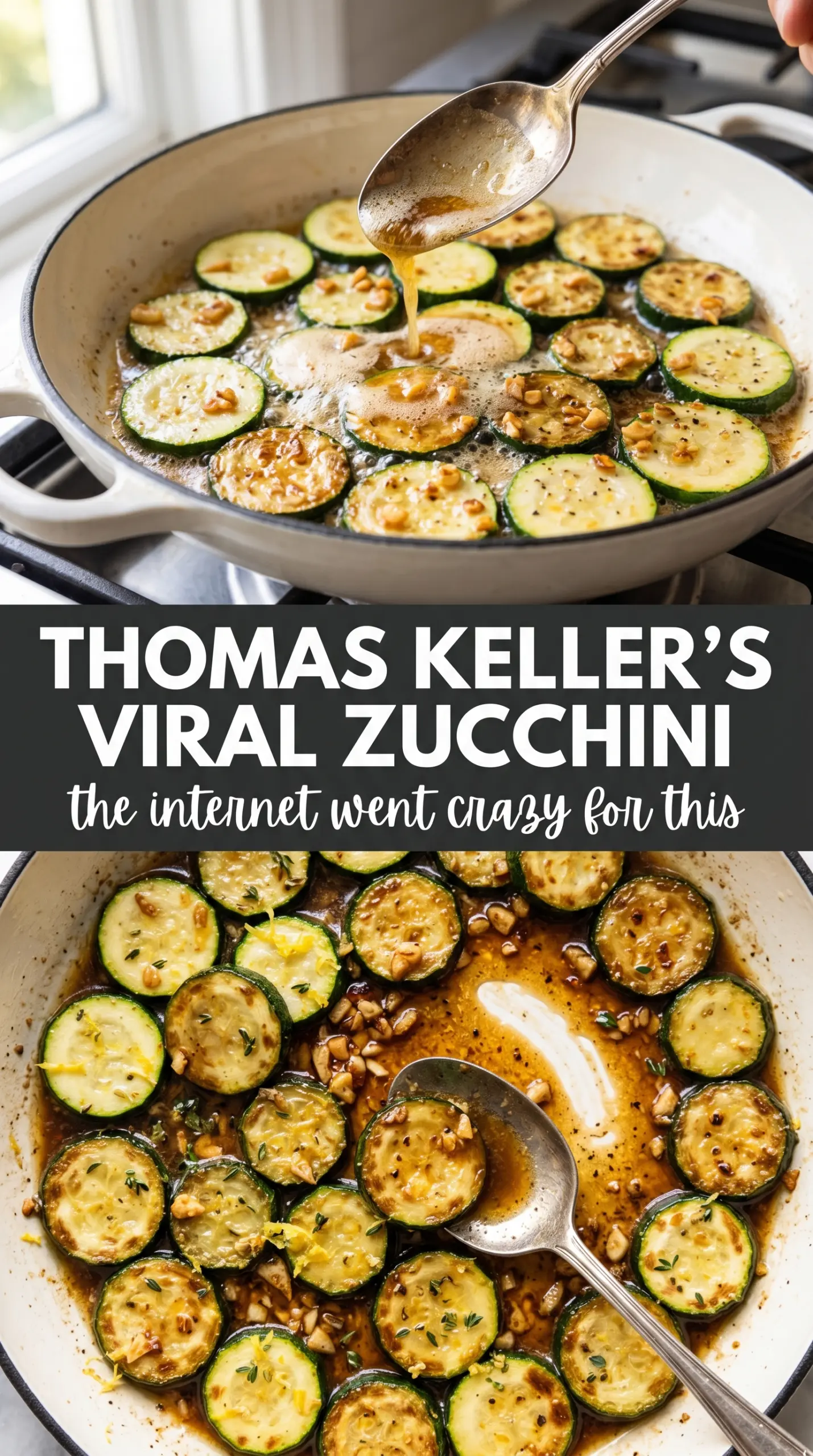
- Zucchini — Medium zucchini gives you enough surface area for a solid sear without turning mushy in the center. Slice them into 1/3-inch rounds so they hold their shape; thinner slices collapse before they brown, and thicker ones don’t cook through evenly.
- Neutral oil — This is the insurance policy for your pan. Grapeseed or vegetable oil can handle the high heat needed for the first sear, while butter alone would brown too early and go bitter before the zucchini gets color.
- Unsalted butter — This is the flavor payoff. It should foam, then turn hazelnut-brown and smell nutty, not acrid; if the pan is screaming hot, the butter goes in only after the zucchini has already built a crust.
- Fleur de sel or flaky sea salt — The finishing salt lands on the hot zucchini and gives you little bursts of clean salinity instead of an all-over salty edge. If you only have kosher salt, use a light hand and add it at the very end.
- Fresh thyme or chervil — This is optional, but a few leaves add a green, herbal note that keeps the dish from tasting flat. Chervil is the more French answer; thyme brings a slightly woodier edge.
Getting the Pan Hot Enough to Actually Brown the Zucchini
Dry the rounds until they look matte
Pat the zucchini rounds completely dry before they go anywhere near the skillet. Moisture on the surface turns to steam, and steam is what gives you limp zucchini and a pale pan. If the slices still look glossy after patting, keep going with fresh paper towels until they look dry and almost chalky.
Build the crust before you think about butter
Heat a large stainless steel or cast iron skillet over high heat until it’s fully hot, then add the oil. Lay the zucchini in a single layer and leave space between the coins so the pan can keep its heat. Don’t move them for 3 to 4 minutes; if you try to slide one and it sticks, it isn’t ready yet. When the underside is deeply golden and the edges have a little color, the zucchini will release cleanly.
Brown the butter at the end, not at the start
Add the butter once the zucchini has already seared. It will foam first, then the milk solids turn amber and smell nutty. Pull the pan or lower the heat if the foam goes from pale gold to dark brown too fast; the line between noisette and burnt is short. Serve the zucchini golden-side up so the crust stays visible and doesn’t scrape off onto the plate.
Three Ways to Change the Dish Without Losing the Point
Dairy-Free Browned Oil Finish
Skip the butter and finish with an extra tablespoon of oil plus a tiny pinch of toasted sesame oil or good olive oil, depending on the meal you’re serving. You’ll lose the nutty milk-solid aroma, but the zucchini still gets a glossy finish and clean browned edges.
Extra Herbal and Brighter
Finish with thyme, chervil, or a few drops of lemon juice after plating. The acid cuts through the brown butter and gives the dish a sharper edge, but add it after cooking so it doesn’t stop the zucchini from browning in the pan.
For a Smaller, More Delicate Sear
Use smaller zucchini if that’s what you have, but keep the slices the same thickness. Smaller zucchini can taste sweeter and cook faster, though they also release moisture a little more quickly, so the pan needs to stay hot from the first coin to the last.
Storage and Reheating
- Refrigerator: Store leftovers in an airtight container for up to 3 days. The crust softens, but the flavor stays good.
- Freezer: I don’t recommend freezing this. Zucchini turns watery and the seared texture is lost.
- Reheating: Warm in a skillet over medium heat for a few minutes until just hot. The oven works too, but avoid the microwave unless you don’t mind soft zucchini and a dull finish.
Answers to the Questions Worth Asking
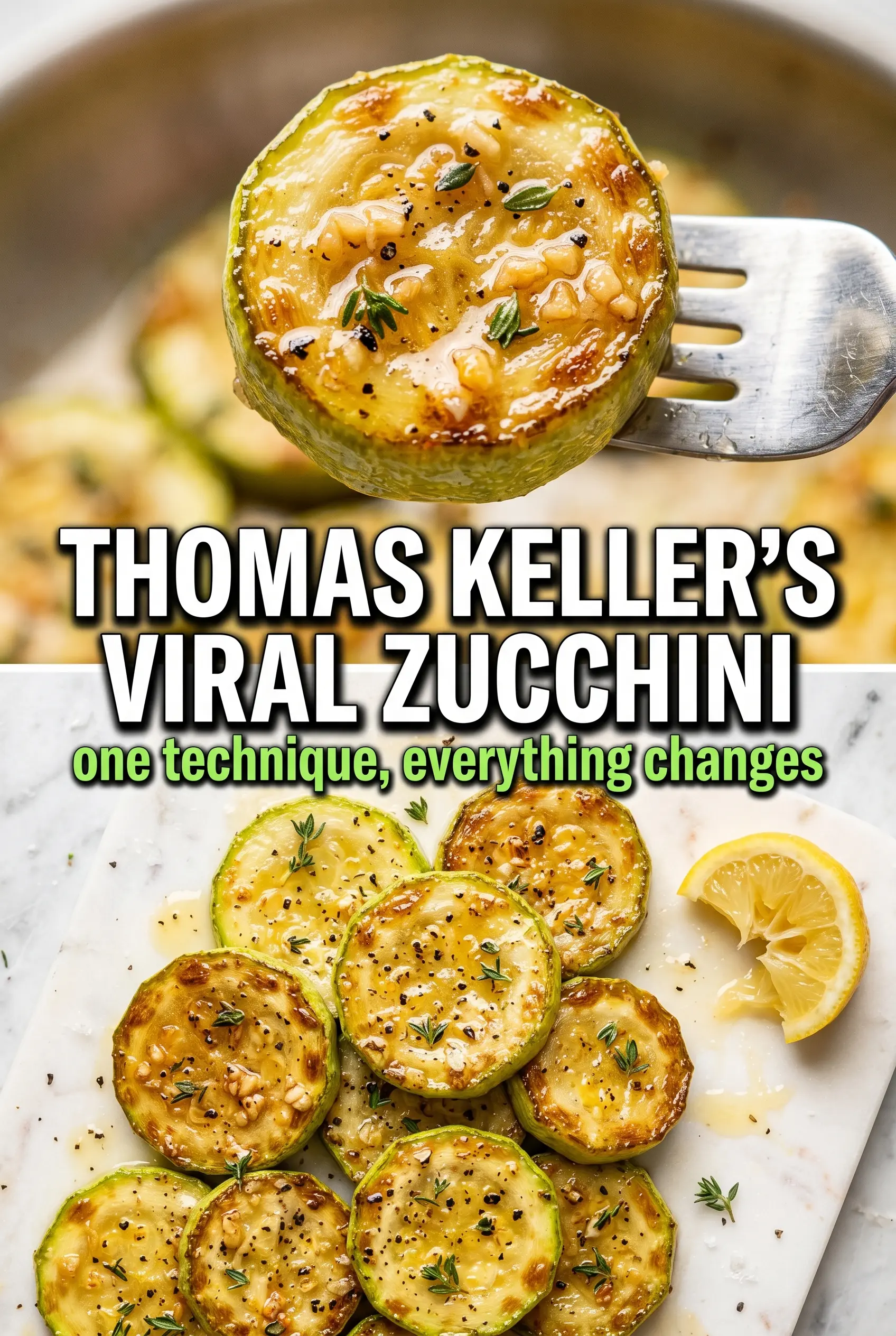
Thomas Keller Viral Zucchini Coins with Beurre Noisette
Ingredients
Equipment
Method
- Pat the zucchini rounds completely dry with paper towels, making sure no visible moisture remains on the surfaces.
- Heat a large stainless or cast iron skillet over high heat until very hot, then add the neutral oil.
- Place the zucchini rounds in the pan in a single layer, cut-side down, and do not touch or move them for 3–4 minutes until deeply golden on the bottom.
- Add the butter to the pan and let it foam and brown to a noisette, keeping the heat high so it stays nutty and fragrant.
- Remove the zucchini immediately, keep them golden-side up, and season with fleur de sel and freshly ground black pepper.
- Serve at once with a small garnish of fresh thyme (or chervil, if using).