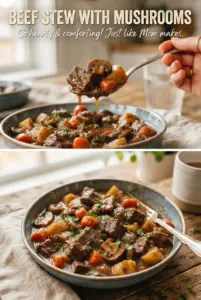
Carne guisada lands in the bowl with tender beef, a thick cumin-spiced gravy, and the kind of slow-cooked depth that makes warm flour tortillas feel like the right answer to dinner. The beef doesn’t just cook until it’s done; it simmers until it gives up its toughness and turns spoon-tender, while the sauce cooks down into something rich enough to cling to every bite. That’s what makes this version worth keeping around. It tastes like it took all afternoon because, honestly, it does.
The key is building flavor in layers. Browning the beef first gives the stew its backbone, then the flour and spices cook briefly in the fat before the broth goes in, which keeps the gravy from tasting raw or thin. Tomato sauce adds body without making the dish taste like chili, and a bay leaf plus oregano round out the Tex-Mex profile without crowding it. The result is hearty, savory, and balanced enough to pile into tortillas with just cilantro and lime.
Below, I’ve included the little timing and texture cues that matter most, plus a few smart swaps for when you want to stretch it, lighten it up, or make it ahead.
The gravy thickened up beautifully and the beef was fall-apart tender after about two hours. I served it in tortillas with lime like you suggested and my husband went back for seconds immediately.
Save this Carne Guisada for the kind of night that calls for tender beef, thick gravy, and warm tortillas.
The Reason the Beef Stays Tender Instead of Chewy
Carne guisada lives or dies on the cut of beef and the patience of the simmer. Chuck has enough connective tissue to reward long cooking, but only if you give it time for that collagen to relax and turn silky. If you rush it, the outside can look done while the inside still eats stringy. The long covered simmer is what turns a pile of browned cubes into a stew with real body.
The other place this recipe can go sideways is the flour step. Flour tossed straight into liquid will clump or taste pasty. Cooking it briefly with the spices and aromatics coats the fat in the pan and gives the gravy a head start, which is why the sauce thickens into something glossy instead of muddy.
- Browning in batches keeps the beef from steaming. If the pan is crowded, you lose color and the gravy loses depth.
- Cooked flour thickens without tasting raw. One minute in the pan is enough.
- Low, steady simmer matters more than a hard boil. Boiling tightens the meat before it softens.
- Tomato sauce gives the gravy body and a little brightness without turning the dish into tomato stew.
What Each Ingredient Is Doing in the Pot
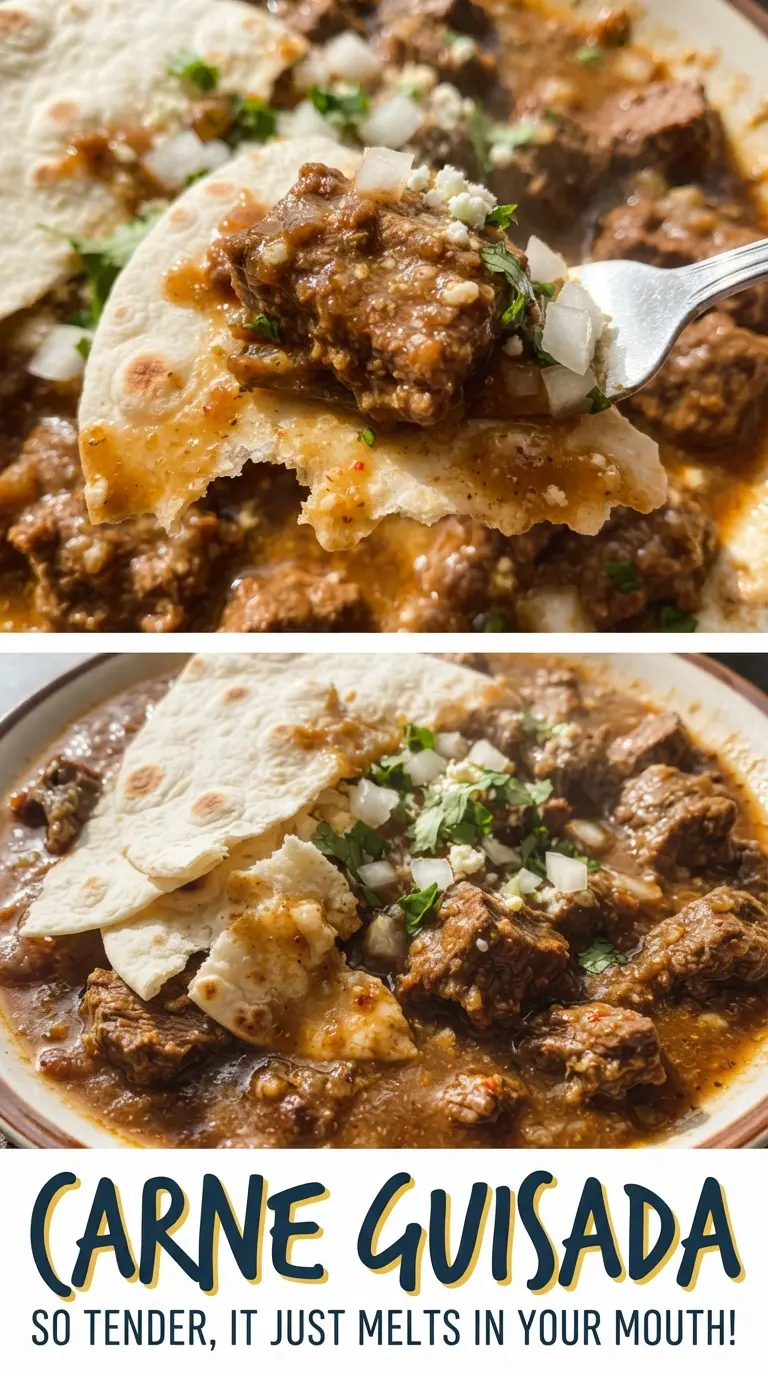
- Beef chuck is the right cut because it has enough marbling and connective tissue to turn tender over a long simmer. Lean stew meat can work, but it won’t taste as rich.
- Chili powder, cumin, and oregano build the Tex-Mex backbone. Fresh spices matter here because they’re simmered in fat first, which wakes them up fast.
- Tomato sauce adds a smooth, cooked tomato flavor and helps the gravy turn velvety. Crushed tomatoes will taste sharper and looser.
- Flour thickens the stew from the start. If you need a gluten-free version, use a cornstarch slurry at the end instead, but the gravy will look a little different and stay glossier.
- Jalapeno, onion, and bell pepper give the base sweetness, heat, and aroma. Seed the jalapeno if you want a gentler stew; leave some seeds in for more kick.
- Beef broth stretches the sauce and carries the seasoning. Homemade or low-sodium broth works best so the salt stays under control.
Building the Gravy Without Losing the Beef
Getting Color on the Meat
Season the beef first, then brown it in hot oil in batches until you get a deep crust on more than one side. Don’t stir it constantly; let the surface sit long enough to color, then turn it. If the meat is crowded, it releases liquid and steams instead of browning, which leaves the finished stew flatter and lighter in color.
Softening the Vegetables
Once the beef is out of the pan, cook the onion, bell pepper, and jalapeno until they turn soft and the onion starts to look translucent around the edges. Add the garlic at the end of this stage so it smells fragrant but doesn’t scorch. Burnt garlic will make the whole pot taste bitter, and there’s no fixing that later.
Cooking the Flour and Spices
Stir the flour, chili powder, cumin, and oregano into the fat and vegetables for about a minute. The mixture should look pasty and smell toasty, not dusty. This quick cook removes the raw flour taste and bloomed spices sink into the gravy instead of floating on top.
The Long Simmer
Add the tomato sauce, broth, bay leaf, and beef, then cover the pot and keep the heat low enough for a gentle simmer. You want occasional bubbles, not a rolling boil. Check near the end for tenderness before you judge the clock; some chuck softens in 90 minutes, but a tougher piece may need the full two hours.
Ways to Stretch It, Lighten It, or Make It Ahead
Make It Gluten-Free
Skip the all-purpose flour and thicken the stew at the end with a cornstarch slurry instead. Start with 1 tablespoon cornstarch mixed with 2 tablespoons cold water, stir it into the simmering liquid, and let it cook for a few minutes until the gravy turns glossy. The texture will be a little cleaner and less rustic, but it still clings well to tortillas.
Turn Down the Heat Without Losing Flavor
Use half the jalapeno, or remove the seeds and ribs completely. You’ll still get the pepper’s fresh green flavor without much burn. If you want the dish deeper rather than hotter, add a little extra cumin instead of extra chiles.
Make It Ahead for Better Flavor
Carne guisada tastes even better after a night in the fridge because the spices settle in and the gravy thickens as it chills. Reheat it gently with a splash of broth if needed. The only mistake is blasting it hard on the stove, which can dry out the beef and separate the sauce.
Storage and Reheating
- Refrigerator: Keeps well for 4 days. The gravy thickens as it chills, which is normal.
- Freezer: Freezes well for up to 3 months. Cool it completely first and store in airtight containers, leaving a little room for expansion.
- Reheating: Warm it slowly on the stovetop over low heat with a splash of broth or water. High heat can make the beef tough again and can tighten the gravy too much.
Answers to the Questions Worth Asking
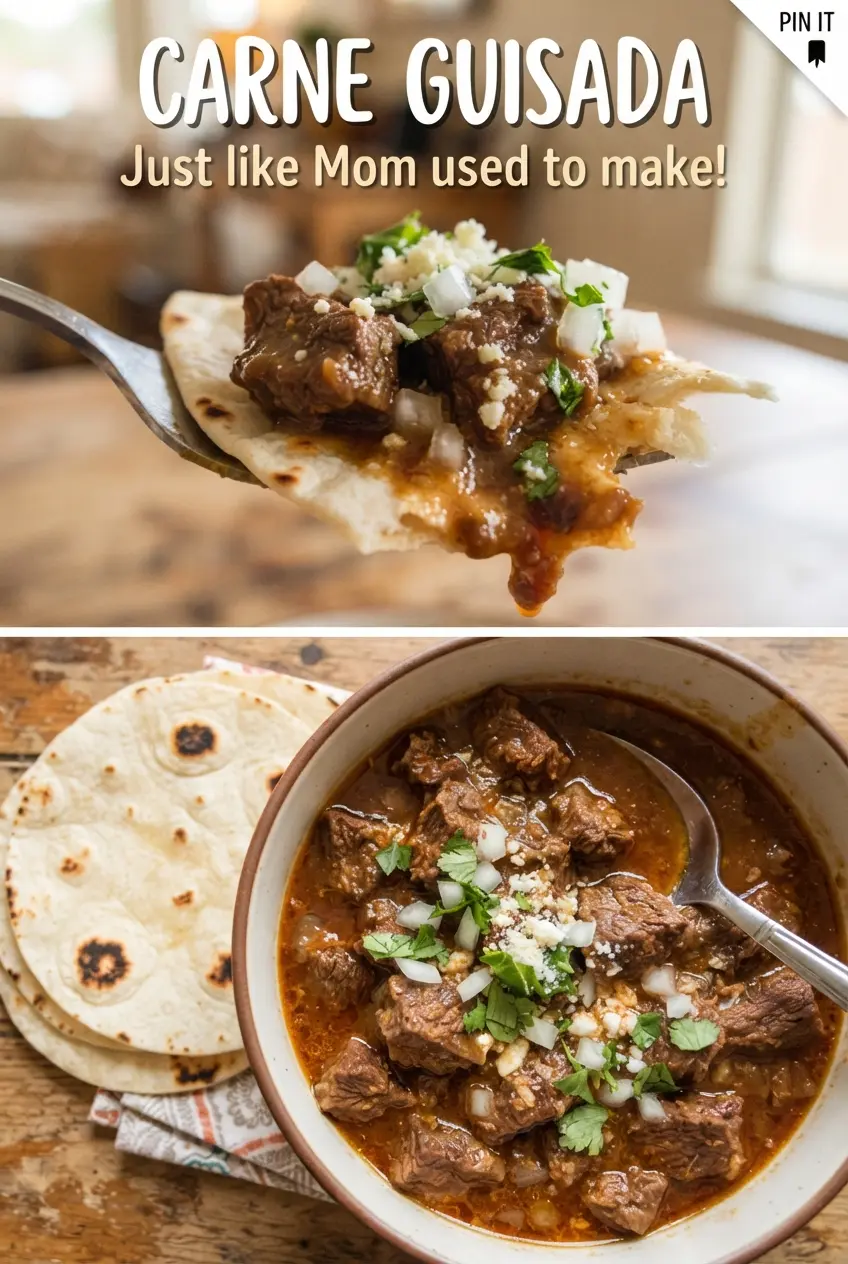
Carne Guisada
Ingredients
Equipment
Method
- Season beef with salt and black pepper, then brown it in hot vegetable oil in batches until well browned on the outside.
- Transfer browned beef to the Dutch oven as batches finish, leaving any deep browned bits in the pot.
- In the same Dutch oven, cook onion, green bell pepper, and jalapeno for 5 minutes until softened, then add minced garlic for 1 minute.
- Sprinkle in all-purpose flour, chili powder, ground cumin, and dried oregano, then stir for 1 minute to toast the spices.
- Add tomato sauce, beef broth, and bay leaf, then add the browned beef back to the pot.
- Cover and simmer at a gentle bubble for 1 1/2-2 hours, until the beef is very tender and the gravy is thick.
- Serve carne guisada hot in warm flour tortillas, topped with cilantro and lime wedges.