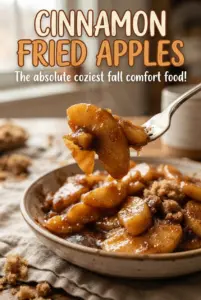
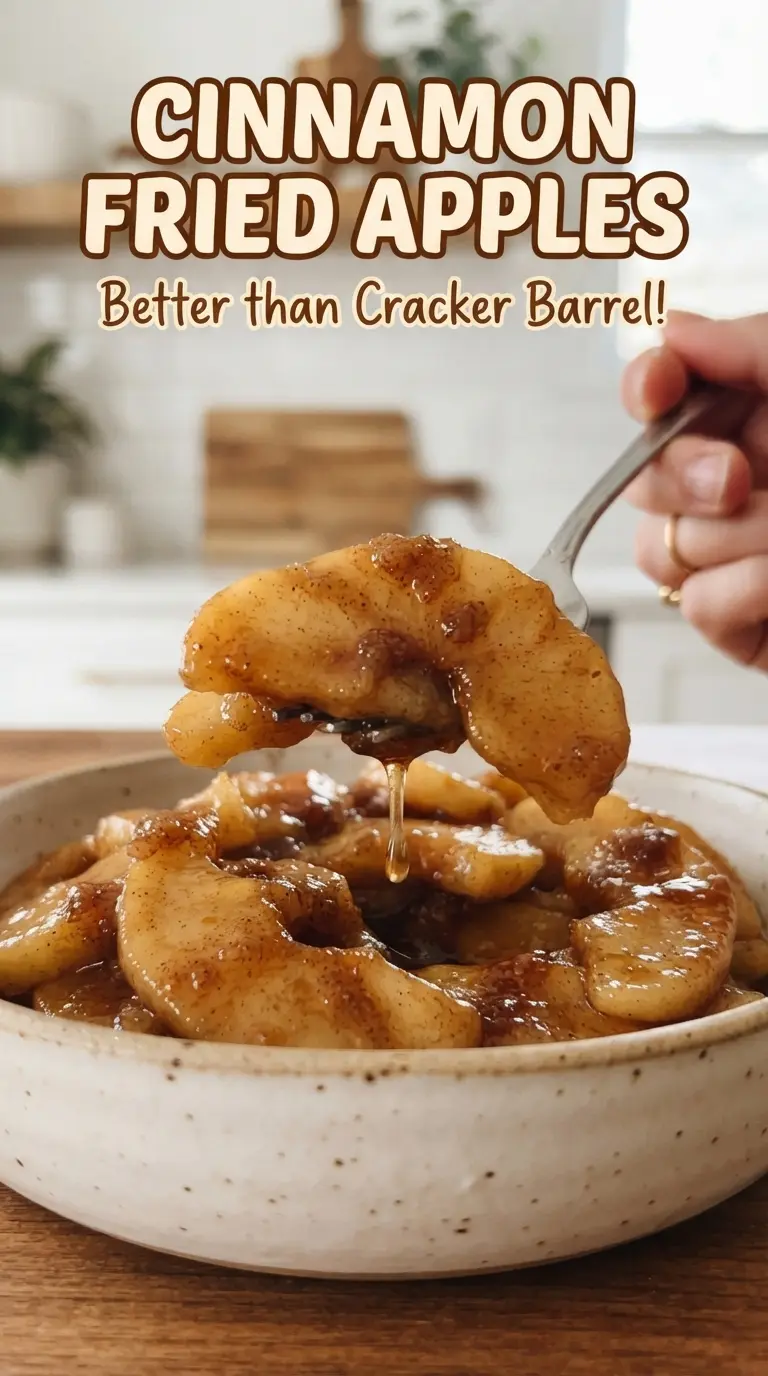
Warm cinnamon fried apples hit that sweet spot between dessert and side dish: tender slices, a glossy brown sugar sauce, and just enough spice to taste like you paid attention. The apples soften without falling apart, which matters here more than almost anything else. You want spoonable fruit, not applesauce with a few slices hiding in it.
The trick is starting with firm apples and keeping the heat moderate. Honeycrisp holds its shape and stays juicy, while Granny Smith gives you a brighter, more tart finish that keeps the dish from tasting flat. The cornstarch goes in at the end, after the apples have cooked through, so the syrup thickens cleanly instead of turning pasty or cloudy.
Below, I’ll show you exactly when the apples are tender enough, why the sauce turns glossy instead of grainy, and how to adjust the spices if you want these closer to breakfast-style skillet apples or a richer Southern side.
The apples stayed in nice slices instead of turning mushy, and the cinnamon sauce thickened up into that glossy skillet syrup I was hoping for. We ate half of it straight from the pan.
Save these cinnamon fried apples for the side dish that turns tender fruit and brown sugar into a glossy skillet sauce.
The Trick to Apples That Stay Tender Instead of Turning to Mush
The biggest mistake with fried apples is cranking the heat and walking away. Apples release a lot of moisture as they cook, and if the pan is too hot, the outside softens before the inside has any chance to cook evenly. Medium heat gives you time to build tenderness while the butter, sugar, and spices melt into a sauce instead of scorching on the bottom.
Covering the skillet for most of the cook helps trap steam, which is what softens the apples without making them collapse. Stir occasionally, not constantly. If you keep moving them around, they break apart before they’re ready. The goal is slices that bend at the edge but still hold their shape in the spoon.
What Each Ingredient Is Actually Doing in the Skillet
- Firm apples — Honeycrisp stays juicy and sweet, while Granny Smith brings a sharper finish and holds up well under heat. Softer apples turn mealy here, so skip anything that already feels fragile in the produce bin.
- Butter — This carries the cinnamon and gives the sauce its rounded, skillet-cooked richness. You can use salted butter if that’s what you have; just ease up on any extra salt.
- Brown sugar — This is what gives the sauce its molasses depth and that sticky glaze as it cooks. Light brown sugar works fine, but dark brown sugar makes the finished dish taste a little deeper and more caramel-like.
- Cornstarch — It thickens the juices into a glossy syrup at the end. Don’t add it straight to the pan; whisk it with water first or you’ll get little clumps that never fully dissolve.
- Vanilla — Add it after the sauce thickens, not before. If it cooks too long, the aroma fades and you lose the warm finish that makes the apples taste complete.
Building the Syrup Without Breaking the Apples
Melting the Butter and Warming the Spices
Start with a wide skillet so the apples have room instead of steaming in a deep pile. Melt the butter over medium heat until it foams, then add the apples, sugar, cinnamon, nutmeg, and salt. The sugar should start dissolving almost immediately, coating the fruit in a shiny film. If the pan starts smoking or the butter browns too fast, the heat is too high and the sugars will catch before the apples soften.
Cooking Under a Lid
Cover the skillet and let the apples cook for 8 to 10 minutes, stirring occasionally. You’re looking for slices that are tender around the edges but still hold together when you press them with a spoon. If the pan looks dry before the apples are ready, the heat is too aggressive; add a small splash of water rather than turning the burner up. That keeps the fruit from scorching while it finishes.
Thickening the Sauce and Finishing the Flavor
Whisk the cornstarch with water until it looks smooth and milky, then pour it into the skillet and stir right away. In 2 to 3 minutes, the sauce should go from loose to glossy and lightly thick enough to coat a spoon. Stir in the vanilla off the heat or with the burner at its lowest setting. If the sauce turns cloudy or gummy, the cornstarch was added too early or the pan got too hot after it went in.
Three Ways to Make These Fried Apples Work for Different Tables
More Tart, Less Sweet
Use all Granny Smith apples and keep the brown sugar at the lower end of the range if you want a sharper side dish that cuts through rich mains. The sauce will still be glossy, but the flavor lands brighter and less dessert-like.
Dairy-Free Fried Apples
Swap the butter for a good plant-based butter with a clean melt. Coconut oil works in a pinch, but it changes the flavor and gives the apples a softer, less classic Southern finish.
Breakfast-Style Cinnamon Apples
Pull the pan from the heat a minute earlier and keep the sauce a little looser if you plan to spoon these over pancakes, biscuits, or oatmeal. You’ll get more syrup and slightly firmer fruit, which works better when the apples are acting like a topping.
Storage and Reheating
- Refrigerator: Store in an airtight container for up to 4 days. The apples soften a little more as they sit, but the flavor gets deeper.
- Freezer: Freezing isn’t ideal because the apples lose their texture when thawed. If you must freeze them, cool completely first and freeze in a flat, sealed container.
- Reheating: Warm gently in a skillet over low heat or in the microwave in short bursts. High heat can make the sauce split and can push the apples from tender to mushy fast.
Answers to the Questions Worth Asking
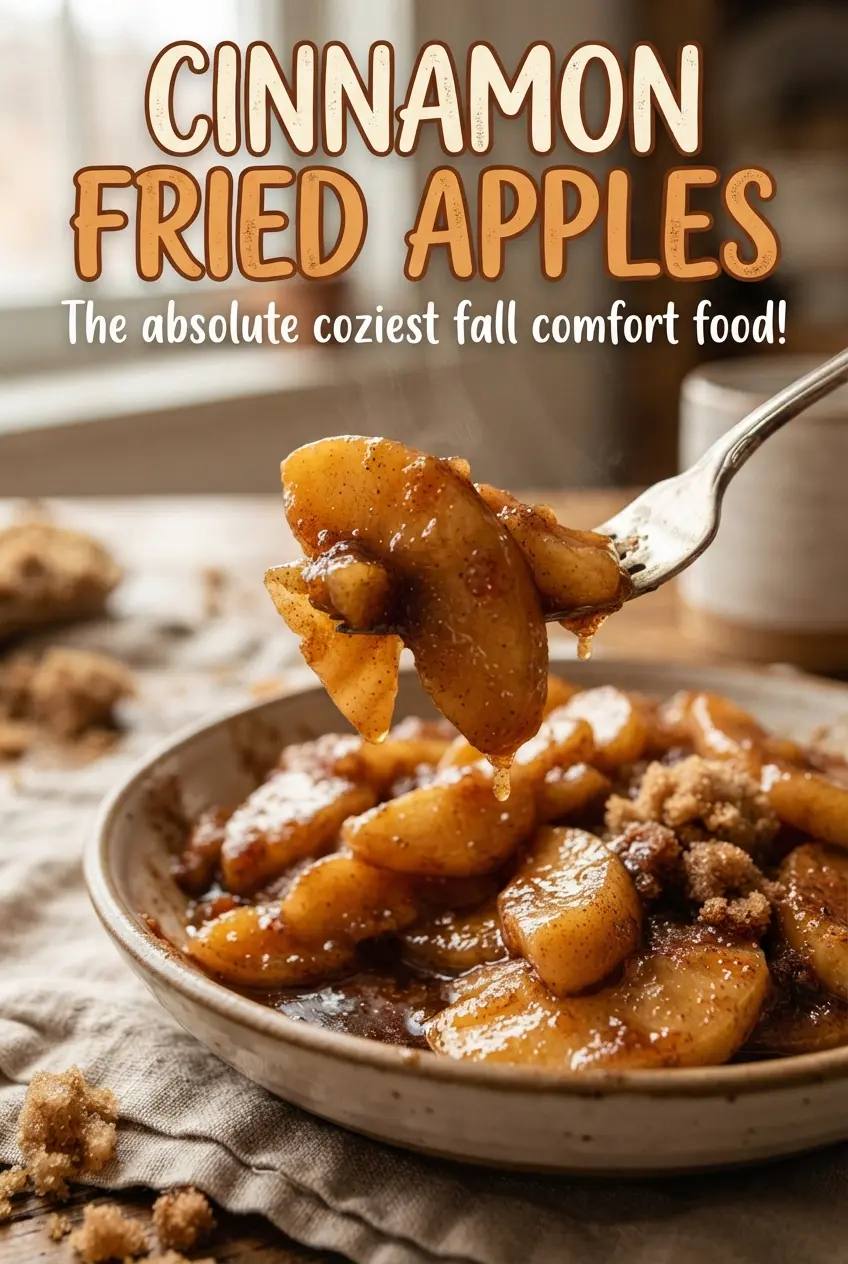
Cinnamon Fried Apples
Ingredients
Equipment
Method
- Melt the butter in a large cast iron skillet over medium heat, letting it foam slightly. A shiny, melted layer should coat the bottom of the pan.
- Add the apples, brown sugar, cinnamon, nutmeg, and salt, then stir to coat every slice. The mixture should look evenly speckled and glossy as it clings to the apples.
- Cover and cook for 8-10 minutes over medium heat, stirring occasionally, until the apples are just tender. You should see slight softening but still hold their shape when pressed.
- Whisk the cornstarch with the water until smooth, then pour it into the skillet. The liquid will look cloudy at first as it hits the hot apples.
- Simmer for 2-3 minutes, stirring as needed, until the sauce thickens and turns glossy. The syrup should coat the spoon and look glossy rather than watery.
- Stir in the vanilla extract and serve warm. The final sauce should cling to the apples in a saucy scoop.