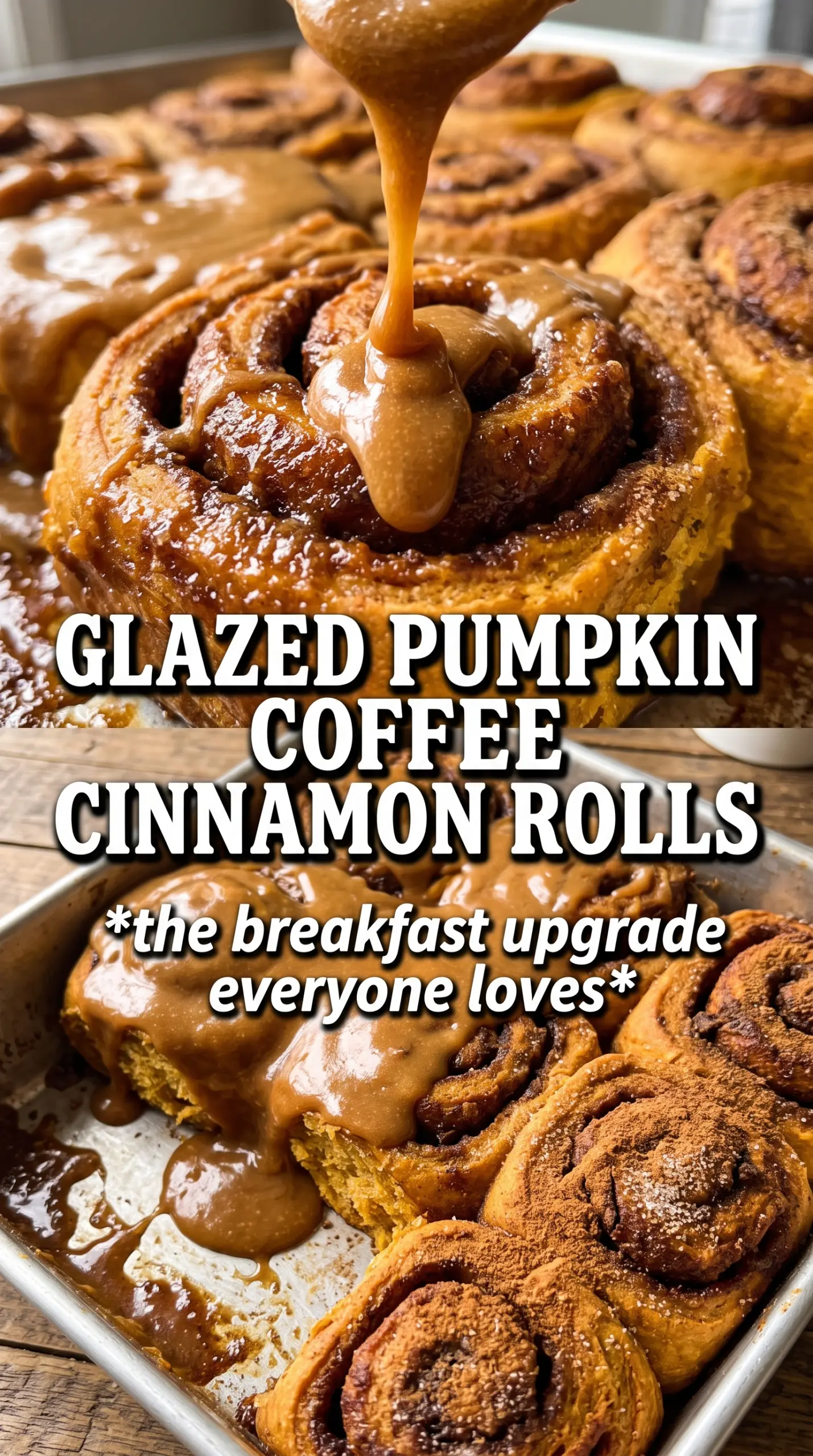
Pumpkin cinnamon rolls bake up soft, tall, and tender, with the kind of swirled center that pulls apart in warm ribbons instead of collapsing into a heavy knot. The pumpkin gives the dough a gentle richness and a soft orange color, while the coffee maple frosting lands on top with just enough bitterness to keep the sweetness in check. They taste like a bakery roll made by someone who knows exactly when to stop mixing and when to pull them from the oven.
The dough stays light because the pumpkin is folded in with enough flour to build structure, but not so much that the rolls turn bready. Warm milk wakes up the yeast, and the first rise gives the dough time to relax, which makes rolling and shaping much easier. The filling is simple, but the brown sugar, cinnamon, and extra pumpkin pie spice melt into the butter and create those sticky pockets that matter in every bite.
Below, I’ve included the small details that keep the dough soft, the rolls neat, and the frosting smooth enough to drizzle while the rolls are still warm.
The dough rose beautifully and the rolls baked up so soft in the middle. That coffee maple frosting was the perfect finish — not too sweet, and it soaked into the swirls just enough while they were still warm.
Save these pumpkin cinnamon rolls with coffee maple frosting for the mornings when you want a soft, swirled breakfast with bakery-style icing.
The Dough Needs a Soft Hand, Not More Flour
The most common mistake with cinnamon rolls is turning the dough dry before it ever reaches the pan. Pumpkin puree adds moisture, but it also makes the dough feel a little sticky at first, and that tempts people to keep dumping in flour. Stop when the dough is smooth, elastic, and just tacky enough to cling slightly to your fingers. That texture gives you soft rolls instead of dense spirals.
The kneading time matters here. Eight minutes by hand or mixer develops enough gluten to hold the filling and rise upward in the oven, but it still keeps the crumb tender. If the dough tears when you try to stretch it, it needs a little more kneading, not more flour. A clean, supple dough is what lets the rolls puff into that pull-apart bakery texture.
What the Pumpkin, Coffee, and Maple Are Each Doing Here
- Pumpkin puree — This adds moisture, color, and a subtle earthy sweetness. Use plain pumpkin puree, not pumpkin pie filling, or the dough will be overly sweet and spiced before you even add the filling.
- Active dry yeast — Warm milk gets the yeast moving, which gives the rolls their lift. If your milk feels hot to the touch, it can kill the yeast; aim for warm, not steaming.
- Butter — Melted butter belongs in the dough, softened butter belongs in the filling. That split matters because the dough needs richness, while the filling needs spreadability so it can smear into an even layer without tearing the dough.
- Brown sugar and cinnamon — Brown sugar melts into the butter and makes the swirls sticky and deep flavored. Cinnamon alone can taste flat here, so the extra pumpkin pie spice in the filling gives the rolls a warmer finish.
- Cream cheese, maple syrup, and coffee — Cream cheese gives the frosting body, maple syrup rounds out the sweetness, and coffee cuts through it with a little edge. Use strong brewed coffee, not weak leftover drip, or the flavor disappears once it mixes with the sugar.
From Sticky Dough to Warm, Swirled Rolls
Waking Up the Yeast
Stir the yeast into warm milk with the sugar and let it sit until foamy, then add the melted butter, pumpkin, egg, and yolk. You want a mix that looks creamy and slightly thick, not separated or oily. If the yeast never foams, the milk was too hot or the yeast was old, and the dough won’t rise properly no matter how long you wait.
Building the Dough
Add the flour, pumpkin pie spice, and salt, then knead until the dough turns smooth and elastic. It should clear the sides of the bowl but still feel soft to the touch. If it’s stiff and dry, the rolls will bake up tight; if it’s too wet to handle, dust the surface lightly rather than working in a handful of extra flour.
Rolling, Filling, and Cutting Clean Spirals
After the first rise, roll the dough into a 12×18 rectangle and spread the softened butter all the way to the edges. Sprinkle the brown sugar mixture evenly so the filling bakes into every bite, then roll tightly from the long side to keep the spiral neat. Use a sharp knife or unflavored dental floss to cut 12 even rolls; a sawing motion can squash the shape and push the filling out.
Proofing Until Puffy
Arrange the rolls in the baking dish and let them rise until they look noticeably fuller and touch each other lightly. They should appear soft and puffy, not doubled into a fragile collapse. If you bake them too early, the centers stay tight; if you let them overproof, they can deflate in the oven and bake up hollow.
Baking and Frosting at the Right Moment
Bake until the tops are golden and the centers are set, then beat the frosting until completely smooth. Frost the rolls while they’re still warm so the glaze melts into the swirls without disappearing entirely. If the rolls are piping hot, the frosting will slide off; warm is the sweet spot for that glossy finish.
How to Adapt These Rolls Without Losing the Soft Texture
Dairy-Free Version
Swap the milk for an unsweetened non-dairy milk and use plant-based butter in both the dough and filling. The rolls still rise well, but the frosting will be a little less tangy unless you use a dairy-free cream cheese that has enough body to hold the coffee and maple.
A Slightly Stronger Spice Finish
If you want the pumpkin to read more clearly, add another 1/2 teaspoon pumpkin pie spice to the filling, not the dough. That keeps the spice concentrated in the swirl, where it tastes bolder, without making the bread itself taste over-seasoned.
Make-Ahead Overnight Rolls
Shape the rolls, cover them tightly, and refrigerate after the cut rolls are arranged in the pan. In the morning, let them sit at room temperature until puffy before baking; cold dough won’t spring up properly in the oven, and baking straight from the fridge usually gives you underproofed centers.
Storage and Reheating
- Refrigerator: Store covered for up to 4 days. The rolls stay soft, though the frosting firms up a little in the fridge.
- Freezer: Freeze baked, unfrosted rolls tightly wrapped for up to 2 months. Thaw overnight before reheating and frosting for the best texture.
- Reheating: Warm individual rolls in the microwave for 20 to 30 seconds or cover a pan of rolls with foil and reheat in a 300°F oven. Heat just until soft and warmed through; too much heat dries out the bread and makes the frosting greasy.
Answers to the Questions Worth Asking
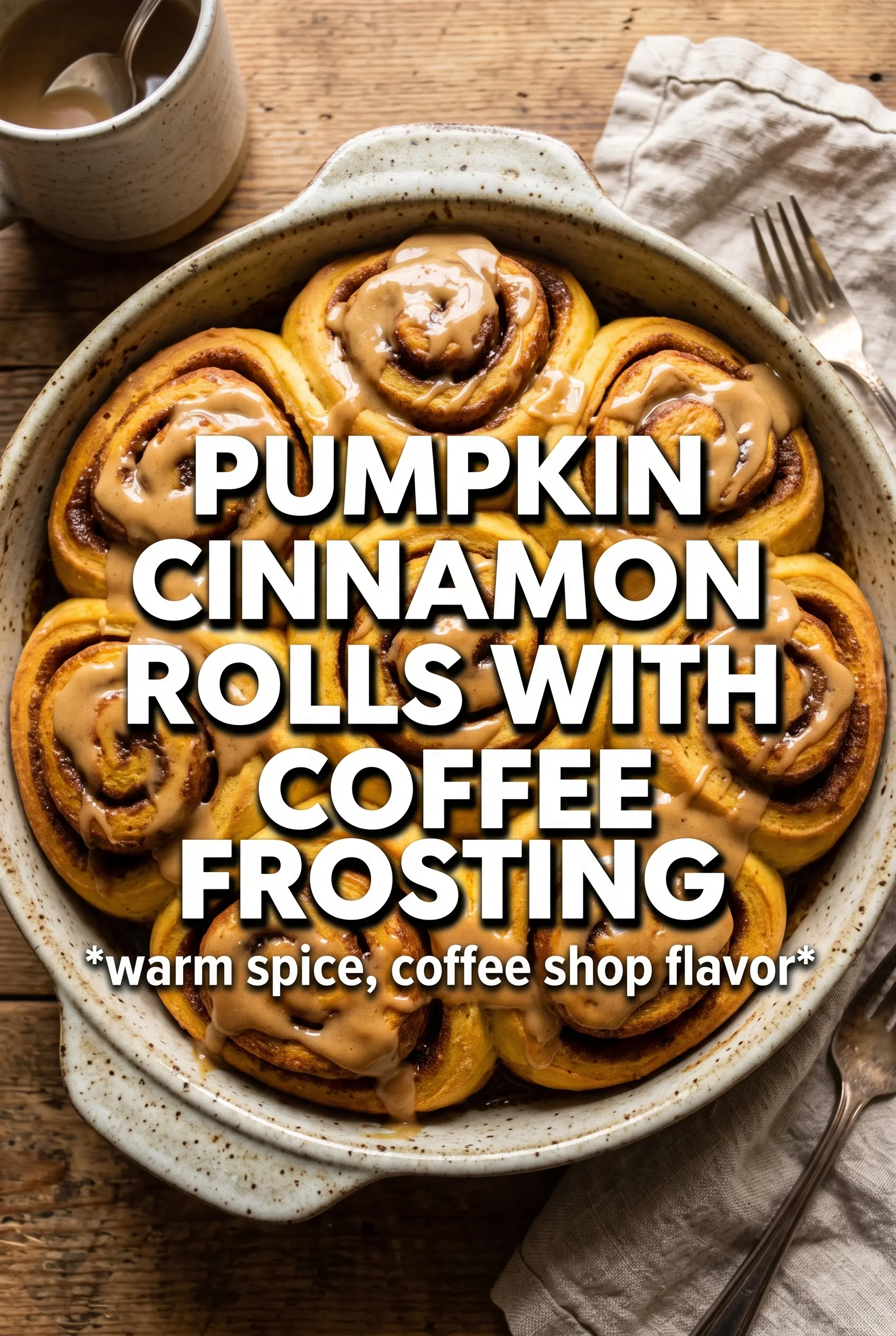
Pumpkin Cinnamon Rolls With Coffee Maple Frosting
Ingredients
Equipment
Method
- In a bowl, combine warm milk and active dry yeast, then add sugar, melted butter, pumpkin puree, egg, and egg yolk. Mix until evenly combined and the yeast begins to activate.
- Add flour, pumpkin pie spice, and salt, then knead for 8 minutes until smooth and elastic. Let the dough rise for 1 hour until doubled in size (place in a warm spot and cover).
- Roll the dough into a 12x18 rectangle. Spread softened butter over the surface evenly to help the filling adhere.
- Mix brown sugar, cinnamon, and pumpkin pie spice, then spread the mixture over the butter. Roll the dough tightly from one long edge to the other.
- Using a knife, cut the log into 12 rolls, keeping the layers visible. Arrange rolls on a sheet pan and let rise for 45 minutes until puffy.
- Bake at 375F for 22-25 minutes, until the rolls are golden and the centers are set. Let them cool slightly so frosting stays creamy instead of melting away.
- Beat cream cheese, butter, pure maple syrup, strong coffee, and powdered sugar until smooth. Drizzle the frosting generously over the warm rolls.