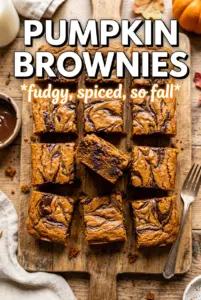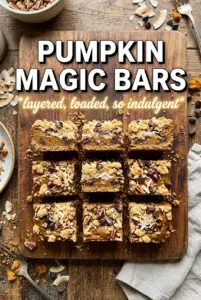
Pumpkin pie bars with sweetened condensed milk come out with a buttery shortbread base and a filling that bakes up silky, rich, and cleanly sliced instead of loose or grainy. The sweetened condensed milk does the heavy lifting here. It gives the pumpkin custard a dense, creamy finish that tastes fuller than a standard pie filling without needing extra cream or fuss.
The crust matters just as much as the filling. A quick par-bake keeps it crisp under the custard, which is the difference between a neat bar and a soggy bottom. I also like whisking the filling until it’s completely smooth before it goes into the oven; that keeps the texture even and helps the bars cut into sharp squares once they’re chilled.
Below you’ll find the little details that make these bars dependable, from the exact doneness cue to the best way to cut them cleanly. If you’ve ever had pumpkin bars that turned soft in the center or stuck to the pan, the notes here will help.
The filling baked up creamy and set just right after chilling overnight, and the shortbread crust stayed crisp even under the whipped cream. I had no trouble getting clean squares.
Save these pumpkin pie bars with sweetened condensed milk for the clean-cut, creamy dessert that always disappears first.
The Shortbread Crust Needs a Head Start
The mistake most people make with pumpkin bars is treating the crust and filling like they bake on the same schedule. They don’t. The crust needs a short par-bake first so the butter sets and the flour has time to cook before the custard goes in. If you skip that step, the bottom layer steams under the pumpkin filling and turns soft instead of staying crisp and sandy.
Use the hot, just-baked crust as the base for the filling. That little bit of heat helps the custard start setting at the bottom edge right away, which gives you a cleaner slice later. The bars also bake more evenly when the filling goes onto a crust that’s already stable.
What Each Ingredient Is Actually Doing In These Bars
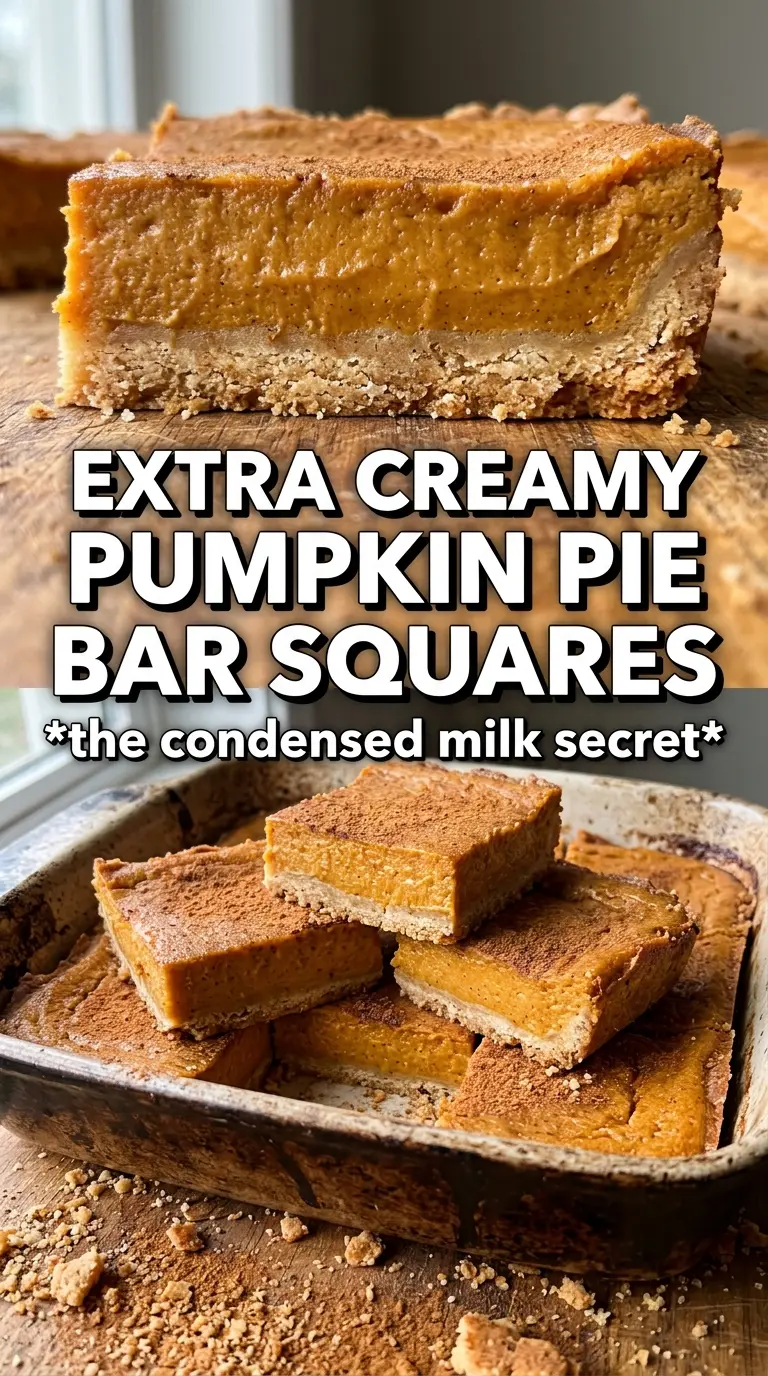
- Pumpkin puree — This brings the earthy pumpkin flavor and the structure the custard needs. Use plain pumpkin puree, not pumpkin pie filling, or the bars will end up overly sweet and spiced before you even start.
- Sweetened condensed milk — This is what makes the filling taste lush and custardy. There isn’t a substitute that gives the same texture and sweetness in one ingredient, so this is not the place to swap casually.
- Eggs — They set the filling so the bars slice neatly once chilled. Whisk them in until the mixture is completely smooth; streaks of egg white can bake into a slightly uneven texture.
- Cold butter in the crust — Cold butter keeps the shortbread tender and crisp. If the butter softens too much before baking, the crust turns dense instead of giving you that light, crumbly bite.
- Pumpkin pie spice, cinnamon, ginger, and cloves — This blend gives the filling depth, not just warmth. If you only have pumpkin pie spice, you can use it alone and keep the result balanced, but the separate spices let you control the clove and ginger more closely.
How to Keep the Filling Silky and the Center Just Set
Press and Bake the Crust First
Press the crust mixture firmly and evenly into the pan so there aren’t thin spots that overbake before the rest catches up. Bake it until it looks pale golden around the edges, not dark brown. You want it set enough to hold the custard, but not so brown that it tastes overly toasted after the second bake.
Whisk the Custard Until It’s Completely Smooth
Combine the pumpkin, condensed milk, eggs, spices, salt, and vanilla until the mixture looks glossy and uniform. If you still see little streaks or lumps, keep whisking. A smooth filling bakes into a cleaner custard; a poorly mixed one can leave tiny eggy pockets or uneven spice concentration.
Watch the Temperature Shift, Not the Clock Alone
The first blast at 425°F helps the filling set around the edges. Dropping the temperature to 350°F keeps the center from puffing, cracking, or overcooking before it finishes. Pull the bars when the center is just set and still has the slightest wobble; if you wait until it looks firm in the oven, it will bake up dry after cooling.
Cool, Chill, Then Cut
These bars need to cool completely before they go into the refrigerator. Chilling firms the custard and gives you those neat squares instead of a soft middle that smears on the knife. For the cleanest cuts, wipe the knife between slices and use a long, sharp blade.
How to Adapt These Pumpkin Bars Without Losing the Creamy Set
Gluten-Free Crust Swap
Replace the flour in the crust with a 1:1 gluten-free baking blend that includes xanthan gum. The texture will be a little more tender and slightly less crumbly than classic shortbread, but it still bakes into a solid base that holds the custard well.
Dairy-Free Version
Use a plant-based butter that bakes well and a dairy-free condensed milk substitute. The crust will still be crisp if the butter substitute is firm and cold, but the filling may set a little softer, so give it the full chill time before cutting.
Extra-Spiced Filling
If you like a stronger spice edge, add a pinch more ginger and cloves. That gives the bars a sharper finish without changing the creamy texture, but don’t push the cloves too far or they’ll take over the pumpkin.
Storage and Reheating
- Refrigerator: Store covered for up to 4 days. The filling stays creamy, and the crust softens only slightly at the edges.
- Freezer: These freeze well. Cut into bars, wrap tightly, and freeze in a single layer before transferring to a container. Thaw in the refrigerator overnight.
- Reheating: Serve these chilled or at cool room temperature. Don’t microwave them, or the custard can turn soft and the crust loses its clean texture.