Thin zucchini planks give this lasagna the kind of hearty, layered bite you want without the heaviness of noodles. The turkey sauce stays savory and rich, the ricotta layer cuts through with creaminess, and the mozzarella on top browns into a proper crust instead of disappearing into the pan. The trick is treating the zucchini like the watery vegetable it is, not like a pasta sheet that will hold everything together on its own.
That means salting, drying, and roasting the zucchini before it ever meets the sauce. Skip that step and the whole pan turns loose and soupy, even if the flavor is there. Ground turkey also needs a little help, so the onion, garlic, fennel, and marinara do the heavy lifting and keep the filling from tasting lean or flat.
Below you’ll find the exact layering order that keeps the slices intact, plus a few swaps that still give you a baked lasagna with clean edges and a rich, cheesy center.
The zucchini stayed tender but didn’t water down the pan at all, and the ricotta layer set up beautifully after resting. My husband went back for a second slice and said it tasted like real lasagna, just lighter.
Save this zucchini lasagna with ground turkey for the night you want a lighter baked pasta with a clean slice and plenty of melted cheese.
The One Step That Keeps Zucchini Lasagna From Turning Watery
Zucchini looks sturdy when it’s raw, but it gives off a lot of moisture as soon as it heats up. That’s why lasagna made with fresh zucchini often slides apart the minute it hits the plate. Salting the planks, patting them dry, and roasting them first pulls out enough water that the dish can actually set.
The other mistake is stacking too much sauce in the middle. With regular pasta, excess sauce gets absorbed. With zucchini, it stays trapped. A light layer on the bottom, then zucchini, then ricotta and turkey sauce is the right order because each layer has room to firm up instead of pooling.
- Zucchini — Slice it lengthwise into even planks so it bakes at the same rate. Thin slices work best, but don’t shave them paper-thin or they’ll collapse before the lasagna sets.
- Ground turkey — Lean turkey needs onion, garlic, and herbs to taste full and savory. If you use extra-lean turkey, add a little more olive oil in the pan so it browns instead of steaming.
- Ricotta — Egg helps the ricotta layer set in the oven. Without it, the filling stays loose and spills out when you cut the first slice.
- Mozzarella — Shredded low-moisture mozzarella gives you that browned top and helps bind the layers. Fresh mozzarella is too wet for this particular bake.
What Each Ingredient Is Actually Doing in This Zucchini Lasagna
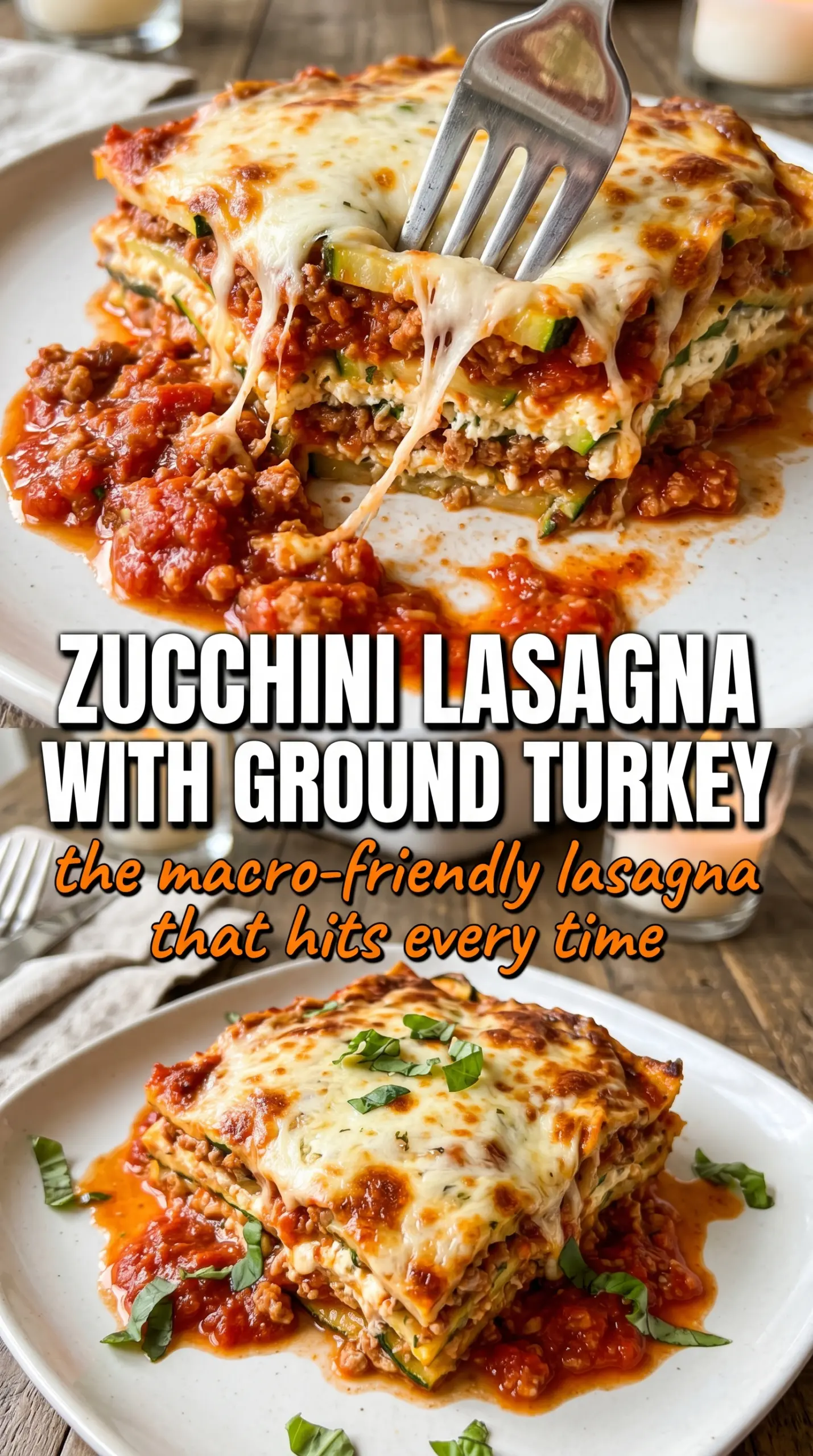
- Zucchini slices (replacing pasta noodles) — Slice lengthwise or into strips. Pat dry so they don’t add excess moisture to the lasagna.
- Ricotta or cottage cheese (the creamy layer) — This provides creaminess and texture. Mix with egg to help it set.
- Mozzarella cheese (the melting layer) — Use a combination of ricotta and mozzarella for the best texture. Fresh mozzarella works but can make it watery.
- Parmesan cheese (the umami finish) — This adds depth and prevents the lasagna from tasting one-dimensional.
- Sauce (meat sauce, marinara, or cream) — This brings layers together. Use enough to keep it moist but not watery.
- Seasonings and herbs (salt, pepper, basil, oregano) — Layer flavors throughout. Fresh herbs add brightness.
- Eggs (optional binder for cheese layers) — These help the cheese mixture set so layers stay distinct when sliced.
- Baking time and temperature (375°F, 30-40 minutes) — This melts the cheese and sets the layers without drying the zucchini.
Building the Layers So the Pan Slices Cleanly
Dry the Zucchini First
Salt the zucchini planks and let them sit for about 20 minutes, then pat them dry until the surface feels tacky instead of slick. Roast them at 425°F just long enough to drive off more moisture; they should soften and bend, not collapse into mush. If you skip the roasting step, the finished lasagna will look fine in the oven and then puddle on the cutting board.
Cook the Turkey Until It Actually Browns
Brown the turkey with the onion over medium-high heat so the meat picks up some color before the sauce goes in. Once the garlic, fennel, marinara, and Italian seasoning are added, let the mixture simmer until it thickens slightly and no longer looks thin and watery. If the pan is crowded, the turkey will steam instead of brown, and the filling will taste flat.
Mix the Ricotta Layer Until It Holds Together
Stir the ricotta with the egg, parmesan, basil, salt, and pepper until it looks smooth and spreadable. The egg matters here because it gives the layer enough structure to sit between the zucchini sheets. If the ricotta seems stiff, let it sit at room temperature for a few minutes before assembling so it spreads without tearing the zucchini.
Bake, Then Wait for the Rest
Build the lasagna with sauce on the bottom, then zucchini, ricotta, turkey sauce, and mozzarella, repeating until the dish is full. Cover it for most of the bake so the center heats through without the cheese scorching, then uncover it at the end for deep golden spots on top. The 15-minute rest isn’t optional if you want neat slices; it gives the cheese and filling time to settle instead of running all over the pan.
How to Adapt This for Different Diets and Different Kitchens
Make It Dairy-Free
Use a dairy-free ricotta-style substitute and a melting plant-based mozzarella. The texture will be a little softer and less rich, but the layering still works if you keep the zucchini properly dried. Choose brands that melt well, not just ones that taste fine cold.
Make It Gluten-Free
This recipe is naturally gluten-free as long as your marinara sauce is gluten-free. Check the jar label, since some sauces use thickeners or pasta-based ingredients that don’t belong here.
Use Ground Beef Instead
Ground beef gives you a deeper, fattier sauce and a more classic lasagna taste. If you swap it in, drain off extra grease after browning so the bottom of the pan doesn’t turn oily.
Storage and Reheating
- Refrigerator: Store covered for up to 4 days. The zucchini softens a little more as it sits, but the flavor gets even better by the next day.
- Freezer: It freezes well if you wrap individual portions tightly after cooling. Thaw overnight in the refrigerator before reheating so the center warms evenly.
- Reheating: Reheat in a 350°F oven, covered, until hot in the middle. Microwave reheating works for a single slice, but it can make the zucchini soggy if you heat it too long at once.
Questions I Get Asked About This Recipe
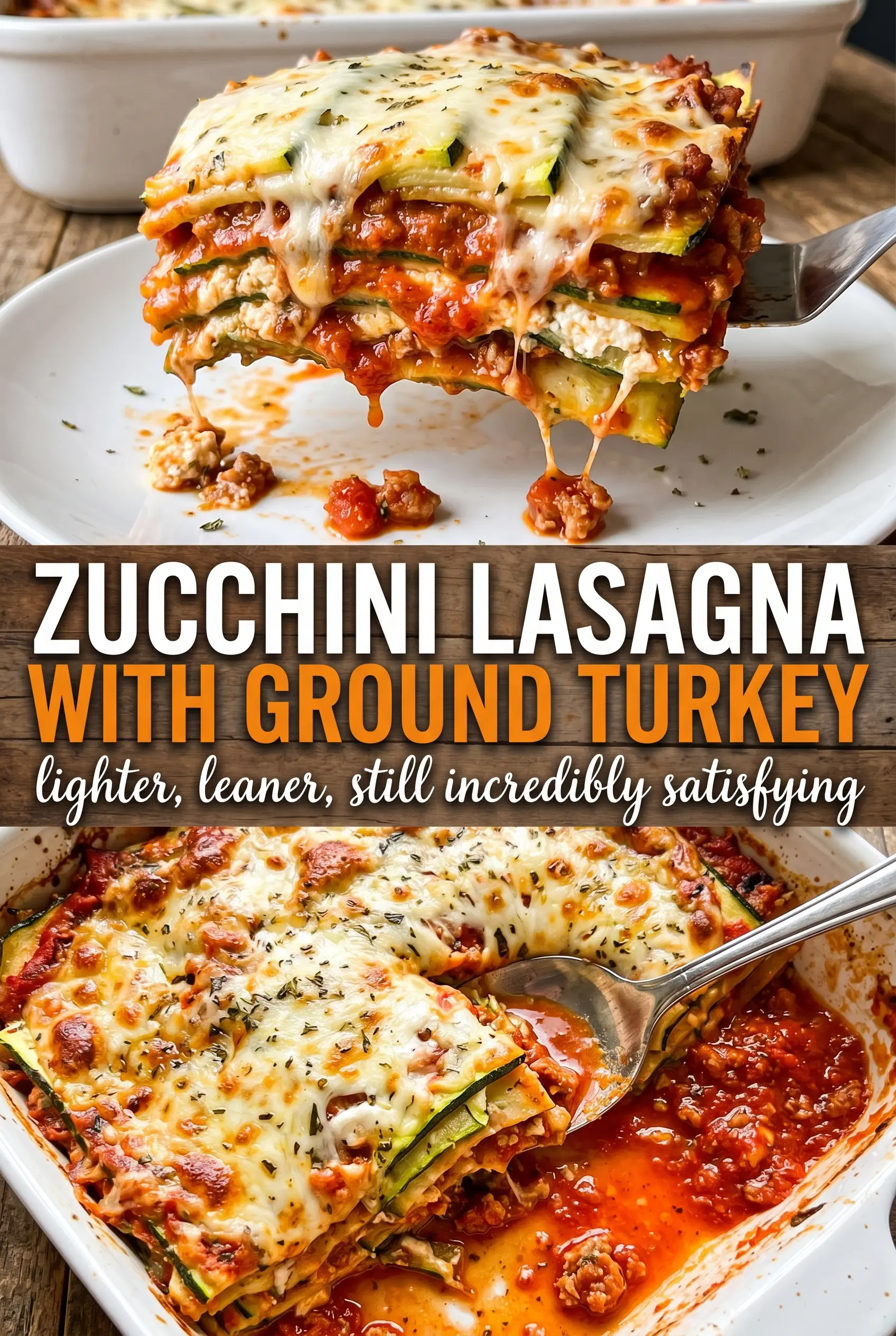
Zucchini Lasagna with Ground Turkey
Ingredients
Equipment
Method
- Salt the zucchini planks and let sit for 20 minutes, then pat completely dry. Roast on a sheet pan at 425°F for 10 minutes to drive off moisture.
- Cook the ground turkey with the diced onion in a skillet over medium-high heat until browned. Add the minced garlic, fennel seeds (if using), marinara, and Italian seasoning, then simmer for 10 minutes and season with salt and pepper.
- Mix ricotta with the egg, grated parmesan, chopped basil, and salt and pepper until smooth and evenly combined.
- Preheat the oven to 375°F and grease a 9x13 baking dish. Assemble by spreading 1/2 cup turkey sauce on the bottom, then layer zucchini planks, ricotta, turkey sauce, and shredded mozzarella; repeat and finish with turkey sauce and mozzarella on top.
- Cover with foil and bake for 40 minutes, then uncover and bake for 15 minutes until deeply golden. Rest for 15 minutes before slicing to set the layers.