Zucchini turns into something worth chasing around the plate when it hits a screaming-hot griddle with butter, garlic, and soy sauce. The edges get bronzed and a little smoky, the centers stay tender instead of collapsing, and the sesame seeds stick to every glossy round. It tastes like the side dish you grab first at a Japanese steakhouse, only faster and fresher at home.
The trick is heat and restraint. Zucchini gives off a lot of moisture, so a hot pan and a single layer matter more than almost anything else here. Letting the rounds sit long enough to brown before you stir them is what gives you that hibachi-style char instead of soft, steamed squash. The garlic goes in late because it burns fast, and the soy sauce only needs a short window to glaze and caramelize.
Below, I’ve included the detail that keeps this from turning soggy, plus a few easy swaps if you want to make it dairy-free or cook it on a regular skillet instead of a flat top.
The zucchini actually browned instead of going soft, and the garlic butter-soy combo tasted just like the hibachi restaurant near us. I served it with rice and it disappeared before the main dish.
Love that smoky garlic-butter finish? Save this hibachi grilled zucchini for the nights when you want a steakhouse-style side in 15 minutes.
Why Hibachi Zucchini Needs High Heat and Zero Patience
Most zucchini goes wrong because the pan isn’t hot enough when it goes in. Once that happens, the slices leak water, they soften before they brown, and you end up with a buttery vegetable that tastes cooked but not finished. For this dish, the surface needs to sear fast enough to build a little crust before the inside turns mushy.
The other common mistake is stirring too early. Let the rounds sit in one layer and listen for that steady sizzle. If the pan sounds quiet, it’s cooling down or overcrowded. Work in batches if you need to. A slightly smaller pile of deeply browned zucchini beats a full skillet of pale, wet squash every time.
- Zucchini — Cut it into 1/2-inch rounds so it can brown before it collapses. Thinner slices cook too fast and turn soft; thicker slices stay too raw in the center.
- Butter — This gives you the classic hibachi finish and helps the garlic cling to the zucchini. If you want a dairy-free version, use a good plant-based butter with some fat in it, not plain oil.
- Soy sauce and sesame oil — Soy sauce brings salt, color, and that savory edge that makes this taste like restaurant hibachi. Sesame oil is strong, so keep it measured; too much will overpower the garlic and make the dish taste heavy.
- Garlic — Fresh minced garlic is what makes this smell right the second it hits the pan. Garlic powder adds a little backup flavor, but it can’t replace the fresh stuff.
- Sesame seeds and green onions — These finish the dish with crunch and freshness. Add them at the end so they stay bright instead of going limp in the heat.
What Each Ingredient Is Actually Doing in This Grilled Zucchini
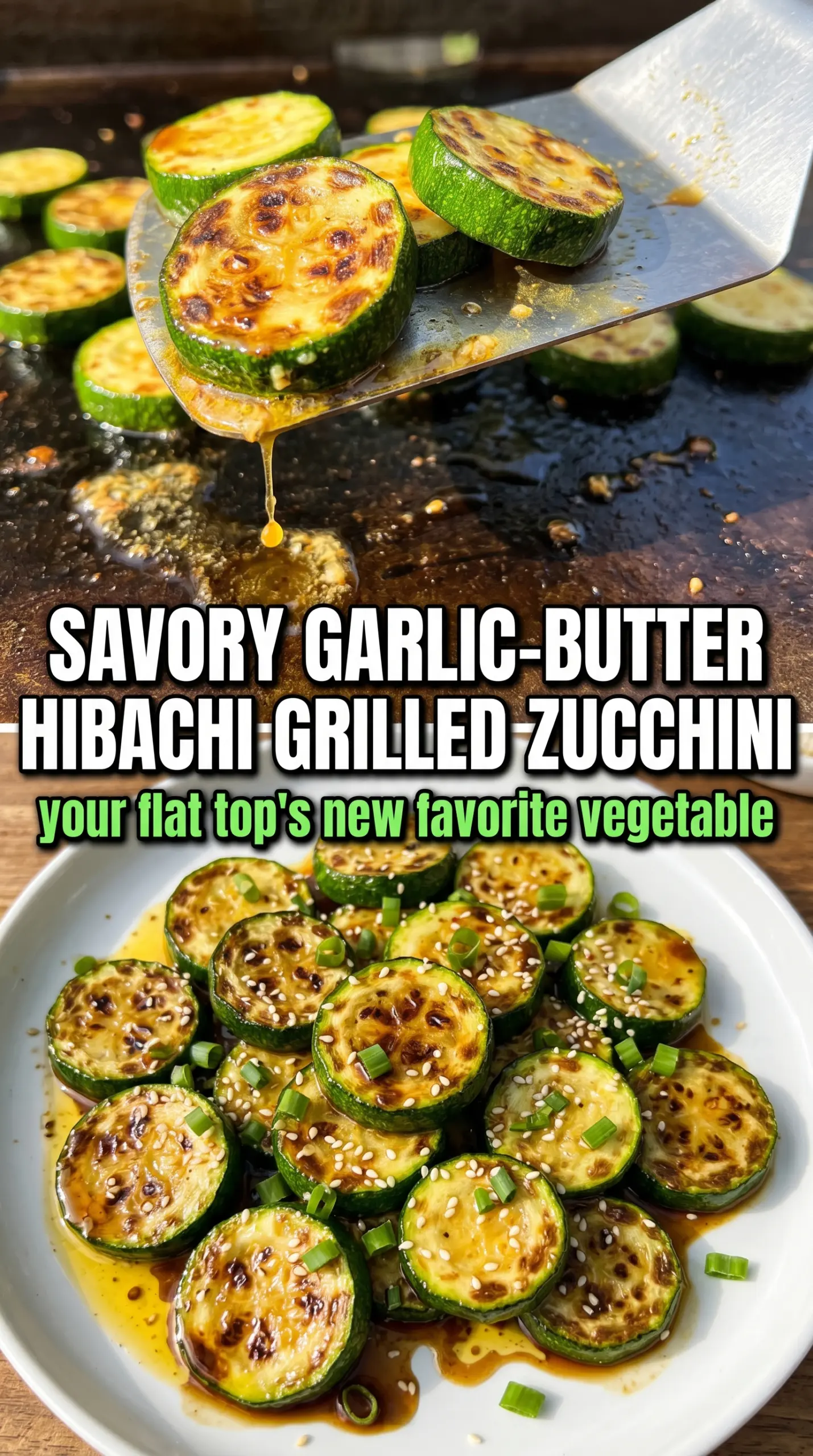
- Zucchini (the star vegetable) — Slice lengthwise or into rounds. Even thickness ensures every piece finishes at the same time.
- Olive oil (the cook and flavor carrier) — This helps the zucchini brown and prevents sticking. Don’t skimp or it will stick to the grill.
- Salt and pepper (proper seasoning) — Season generously so every bite tastes seasoned. Don’t hold back.
- Garlic (the aromatic base) — Minced or sliced, it adds depth. Fresh garlic infuses the oil with flavor as it cooks.
- Fresh herbs (lemon thyme, basil, or oregano) — These add freshness. Add some before grilling and some after so you get both cooked and fresh flavors.
- Heat on high (the char and caramelization) — Medium-high heat creates char marks. Don’t move the zucchini too early or it releases moisture.
- Glaze or sauce (optional richness) — Miso, garlic butter, or Mexican sauce adds another layer of flavor. Apply after grilling to keep it bright.
- Finishing with acid (lemon or lime) — A squeeze right before serving wakes up all the flavors. Fresh is essential.
The Short Window That Gives You Real Hibachi Browning
Getting the Pan Hot Enough
Heat a large flat-top griddle, cast iron skillet, or Blackstone until it’s truly hot. You want the butter to melt, foam, and start to brown almost right away. If the butter just sits there looking glossy, the pan isn’t ready and the zucchini will steam instead of sear. This dish depends on heat, not long cooking time.
Building the First Side
Add the zucchini in a single layer and leave it alone for 3 to 4 minutes. The first side should turn deep golden with a few darker spots before you flip it. If you crowd the pan, the zucchini releases moisture and the browning stalls. Work in batches if the pan fills up.
Finishing With Garlic, Soy, and Sesame
Once the zucchini is flipped, add the remaining butter and the garlic. Stir for about 30 seconds, just until fragrant, then drizzle in the soy sauce and sesame oil. The sauce should sizzle and glaze the slices without pooling at the bottom. Toss for another 2 to 3 minutes until the soy darkens slightly and clings to the zucchini instead of thinning out.
The Final Sprinkle
Take the pan off the heat and shower the zucchini with garlic powder, sesame seeds, and green onions. This last step matters because the toppings keep their texture when they go on after cooking. Serve it immediately while the edges are still crisp and the glaze is hot.
How to Adapt This Garlic-Butter Zucchini for Different Pans and Diets
Dairy-Free Hibachi Zucchini
Swap the butter for a dairy-free butter that browns well, or use half butter substitute and half neutral oil if you want more reliable searing. You’ll lose a little of the classic rich finish, but the garlic and soy still carry the same restaurant-style flavor.
Cast Iron Skillet Instead of a Flat Top
Use the widest skillet you have and cook in batches so the zucchini stays in contact with the hot surface. Cast iron gives you the same browned edges, but only if you resist the urge to pile everything in at once.
Lower-Sodium Version
Use low-sodium soy sauce and add a pinch of salt only after the zucchini is coated. That keeps the seasoning balanced, since the soy reduces and concentrates as it cooks.
Make It a Full Vegetable Side
Add sliced mushrooms or onions only if you’re willing to cook them separately or in batches. They release more water than zucchini, and if they go in together too early, the pan loses the heat needed for proper browning.
Storage and Reheating
- Refrigerator: Store leftovers in an airtight container for up to 3 days. The zucchini softens a little, but it still tastes good.
- Freezer: I don’t recommend freezing this one. Zucchini turns watery and loses the browned edges that make the dish worth making.
- Reheating: Reheat in a hot skillet over medium-high heat for a few minutes until warmed through. The microwave will make it limp, and that’s the fastest way to lose the hibachi texture.
Answers to the Questions Worth Asking
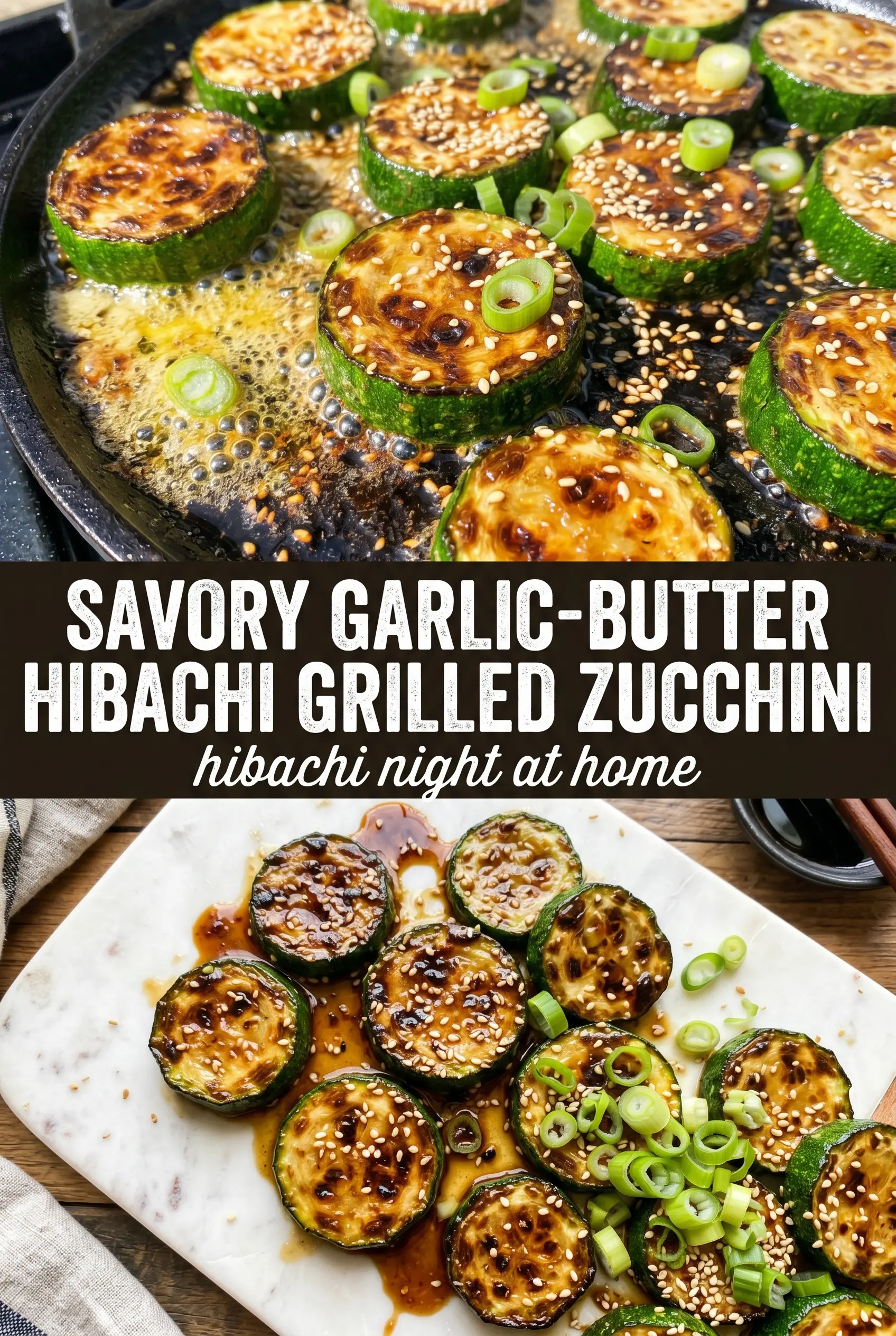
Savory Garlic-Butter Hibachi Grilled Zucchini
Ingredients
Equipment
Method
- Heat a large flat-top griddle, cast iron skillet, or Blackstone to high heat. Add 2 tablespoons butter and let it melt and begin to brown, watching for a nutty color and light sizzling.
- Add zucchini rounds in a single layer and cook without moving for 3–4 minutes until deeply golden on the bottom. Keep the heat high so steam drives off and the bottoms caramelize.
- Flip each round. Continue searing until the newly exposed side looks lightly golden and glossy with fat.
- Add the remaining butter and garlic to the pan and cook for 30 seconds until fragrant. Stir gently just enough to coat the rounds.
- Drizzle soy sauce and sesame oil over the zucchini and toss to coat, then cook for 2–3 more minutes until the soy caramelizes. Look for darker, glossy spots and a slight smoky char.
- Sprinkle garlic powder, sesame seeds, and green onions over the zucchini. Serve immediately with hibachi dipping sauce (soy sauce and ginger).