Penne coated in a smoky Cajun cream sauce has a way of disappearing fast, especially when the sausage is browned enough to leave those crisp, seasoned edges in the pan. This version keeps the sauce silky without turning bland or heavy, and the bell pepper and onion give it enough backbone that every bite tastes finished, not just rich. It’s the kind of pasta that lands on the table looking bold and staying that way all the way through dinner.
The trick is building flavor in stages instead of dumping everything into one pot and hoping it comes together. Browning the sausage first gives you fond in the skillet, and that’s what makes the sauce taste deep and savory instead of flat. The cream goes in after the broth has had a chance to pick up all those browned bits, and the parmesan gets stirred in off the hottest part of the burner so it melts smoothly instead of turning grainy.
Below, I’ll walk through the part that keeps the sauce from breaking, the ingredient swaps that still keep the dish balanced, and a few practical variations for when you want to stretch it, lighten it, or work with what’s already in your fridge.
The sauce turned out silky and clung to every piece of penne, and the browned sausage gave it a smoky kick that wasn’t too spicy for my kids.
Save this creamy Cajun sausage pasta for the nights when you want a smoky, brick-red sauce that coats every noodle without extra fuss.
The Sauce Breaks When You Rush the Dairy
The biggest mistake with Cajun cream pasta is cranking the heat and tossing in the parmesan before the sauce has settled. Heavy cream can take a little simmering, but cheese wants a gentler hand. If the pan is too hot when the parmesan goes in, the sauce can turn grainy or start to separate around the edges.
This recipe works because the broth and cream simmer first, which lets the liquid reduce and pick up the seasoning before the cheese enters the picture. The pasta water matters here too. It gives you a controllable way to loosen the sauce without watering down the flavor, and that starch helps the sauce cling to the penne instead of sliding off.
- Browned sausage — This is where the smoky depth comes from. Andouille gives the most Cajun-style flavor, but any good smoked sausage will still leave enough fat and fond in the pan to build the sauce.
- Cajun seasoning — Use a blend you actually like the taste of, because it defines the whole dish. If yours is salt-heavy, hold back on extra salt until the end.
- Parmesan — Freshly grated melts smoother than the canned shelf-stable version. Pre-shredded cheese can still work, but it tends to leave the sauce a little less silky.
- Pasta water — Save it before you drain the penne. A splash can rescue a sauce that tightens up too much once the cheese and pasta go in.
What Each Ingredient Is Actually Doing in the Pan
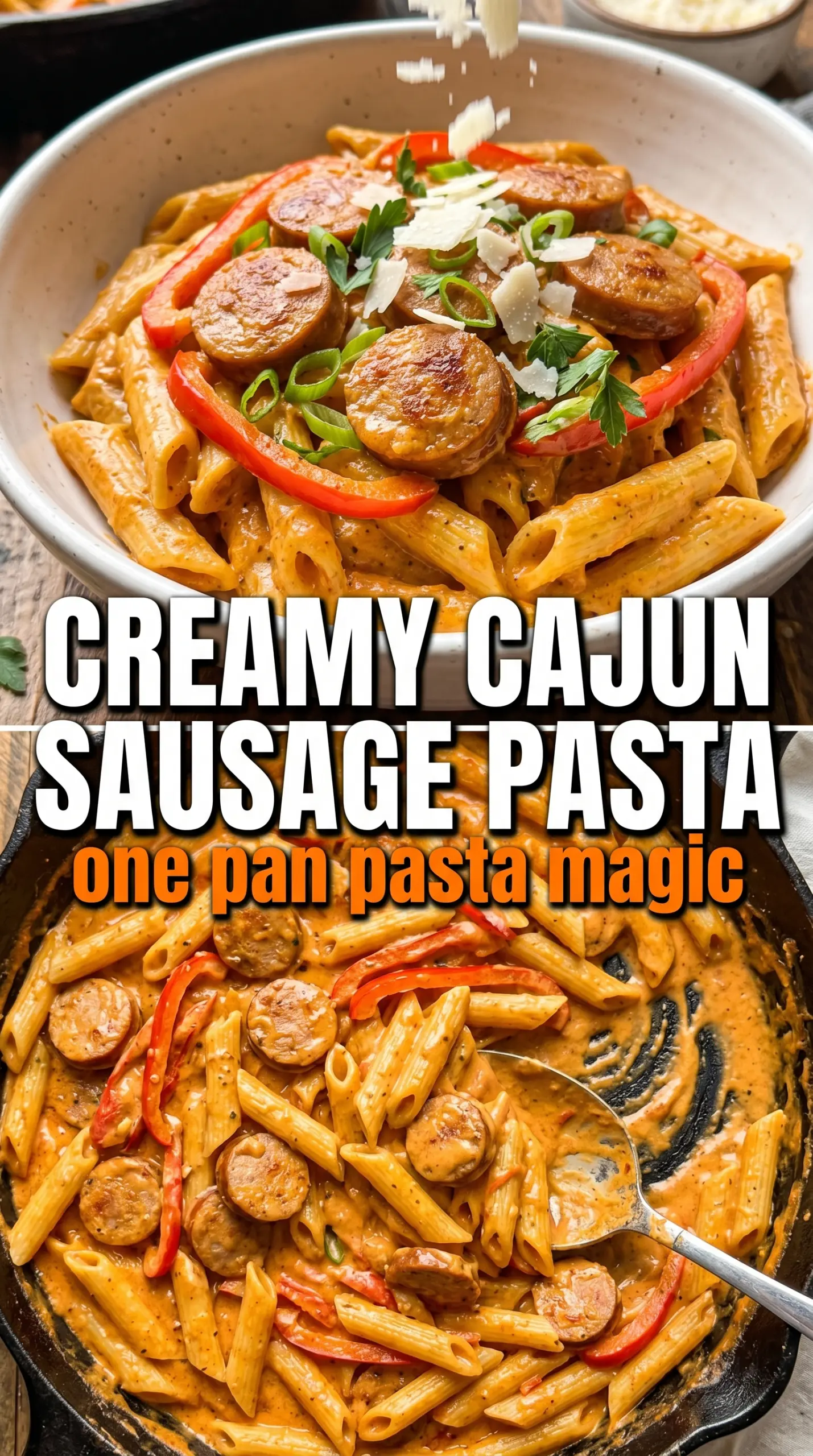
- Andouille or smoked sausage — This is the backbone of the dish. Slice it into even rounds so it browns instead of steaming, and don’t skip the sear because those dark edges are what season the whole sauce.
- Penne — The ridges catch the cream sauce better than a smooth pasta. Cook it to al dente so it can finish in the skillet without going soft.
- Butter — It carries the onion, pepper, and garlic without overpowering the sausage. You could use oil in a pinch, but butter gives the sauce a rounder finish.
- Onion and red bell pepper — They add sweetness and a little freshness that keep the sauce from tasting heavy. Dice them small enough that they soften in the time listed, not so large that they stay crunchy.
- Chicken broth — This loosens the base without thinning it out the way plain water would. It also helps pull flavor off the bottom of the skillet before the cream goes in.
- Heavy cream — This is what makes the sauce cling and stay velvety. Half-and-half will work, but the sauce will be lighter and a little less stable.
- Fresh parsley — Not just garnish. It cuts through the richness at the end and keeps the bowl from tasting one-note.
Building the Cajun Cream Sauce in the Right Order
Brown the Sausage First
Start with a hot skillet and let the sausage get real color before you remove it. You want browned edges and little caramelized spots, not just warmed slices. If the pan looks dry, let the sausage sit undisturbed for a minute longer rather than stirring constantly, because the crust forms where it has direct contact with the pan. Those browned bits stay behind and become the base of the sauce.
Soften the Vegetables in the Sausage Drippings
Once the sausage is out, melt the butter and add the onion and bell pepper. Cook them until the onion turns translucent and the pepper loses its raw bite. Garlic goes in near the end so it smells fragrant, not scorched. If the garlic hits the pan too early, it can turn bitter and drag the whole sauce down.
Let the Cream Simmer Before the Cheese Goes In
Pour in the broth and cream, then let the sauce bubble gently for a few minutes. You’re looking for a slight thickening around the edges and a glossy surface, not a hard boil. Stir in the parmesan once the sauce has reduced a bit and lower the heat if needed. That gentle finish keeps the cheese smooth and gives you the kind of sauce that coats the back of a spoon.
Toss the Pasta Until It Grabs the Sauce
Add the drained penne and sausage back to the skillet and toss until every piece looks stained brick-red. If the sauce feels tight, add a splash of reserved pasta water and toss again. The starch in the water helps the sauce settle around the pasta instead of pooling underneath it. Finish with parsley while the pasta is still hot so the herbs stay bright.
Three Ways to Make This Pasta Fit What You’ve Got
Make it lighter with half-and-half
Swap the heavy cream for half-and-half if you want a looser, lighter sauce. It still tastes good, but it won’t be quite as rich or as stable, so keep the simmer gentle and use a little pasta water only if the sauce needs help coating the noodles.
Gluten-free version with the same sauce
Use a sturdy gluten-free penne and cook it just to al dente, because it can soften faster once it hits the hot sauce. The sauce itself is naturally gluten-free as long as your sausage and Cajun seasoning don’t contain any hidden thickeners.
Swap in chicken when sausage isn’t on hand
Diced or sliced chicken works, but you’ll lose some of the smoky depth that sausage brings. Sear the chicken hard enough to get color, season it well, and consider a pinch more smoked paprika in the Cajun seasoning to rebuild that background flavor.
Add extra vegetables without watering it down
Mushrooms, zucchini, or spinach all fit here, but cook watery vegetables first so they don’t thin the sauce. Spinach should go in at the end and wilt in the hot pasta, while mushrooms need enough time to brown before the cream is added.
Storage and Reheating
- Refrigerator: Store in an airtight container for up to 4 days. The sauce thickens as it chills, so expect it to look a little denser the next day.
- Freezer: It freezes, but cream sauces can separate a bit on thawing. Freeze in portions if you want to, then reheat slowly and stir well to bring it back together.
- Reheating: Warm it on the stove over low heat with a splash of broth, milk, or water. High heat is what usually breaks the sauce, especially once the cheese is already in it.
Answers to the Questions Worth Asking
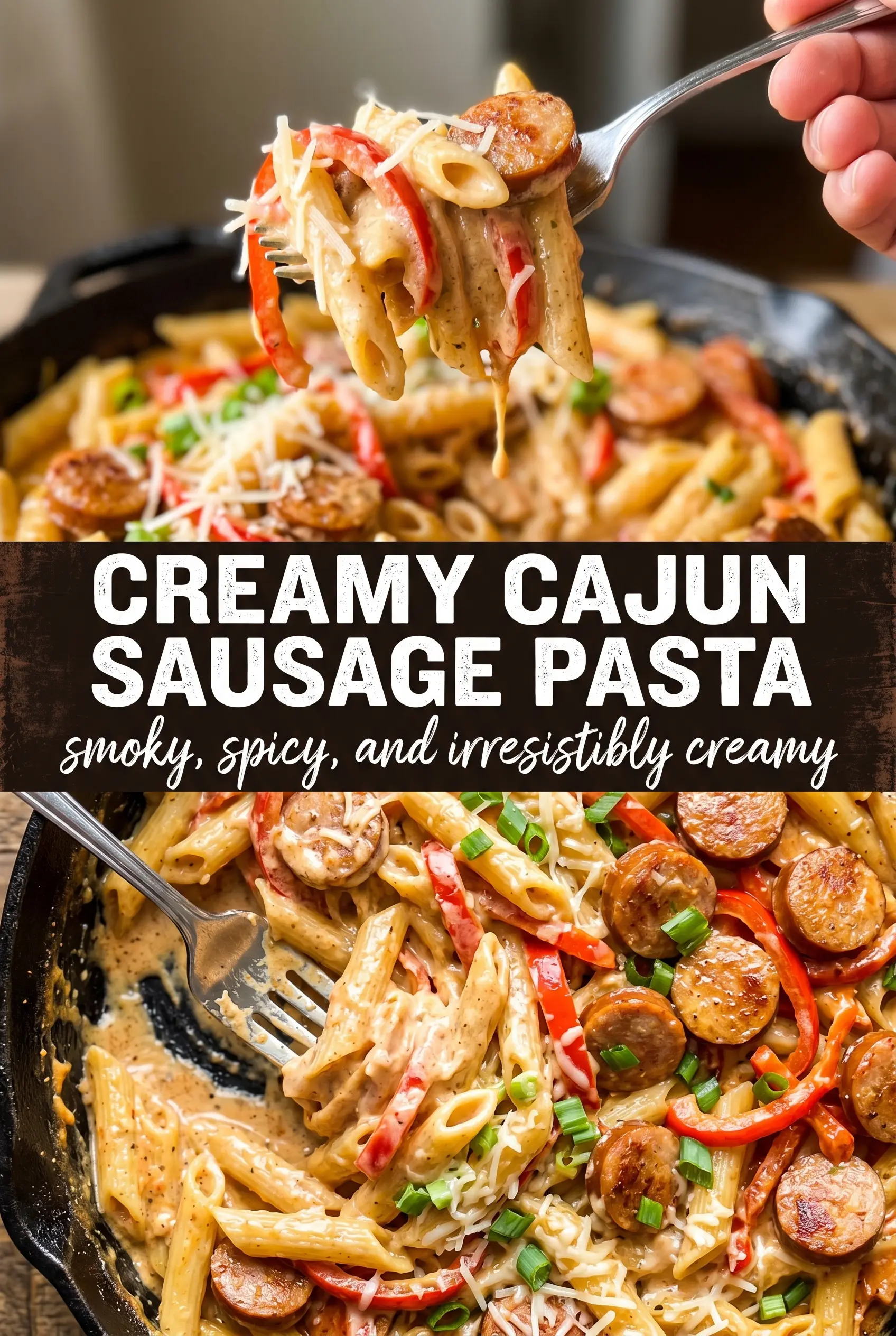
Creamy Cajun Sausage Pasta
Ingredients
Equipment
Method
- Bring a large pot of salted water to a rolling boil, then cook penne until al dente (about 8–10 minutes), reserving 1/2 cup pasta water and draining the rest.
- Heat a large skillet over medium-high heat and cook sliced andouille or smoked sausage until browned on both sides, about 4–6 minutes; remove to a plate and set aside.
- In the same skillet, melt butter over medium heat, then cook diced onion and red bell pepper for 4 minutes until softened.
- Add minced garlic and Cajun seasoning, then cook 1 more minute until fragrant and brick-red in color.
- Pour in chicken broth and heavy cream, then simmer for 4–5 minutes until slightly thickened with gentle bubbles.
- Lower heat, stir in grated Parmesan until fully melted and smooth, then toss in drained penne and reserved sausage, adding pasta water a splash at a time to loosen if needed.
- Transfer to bowls and top with fresh parsley and cracked pepper to finish, so the sauce clings in a creamy coating.