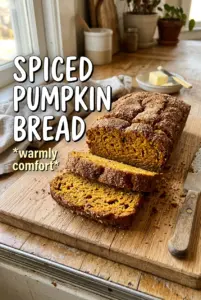
Spiced pumpkin bread should taste warm and deeply fragrant, with a tender crumb that stays moist for days and a crackly top that slices cleanly. This version delivers that classic pumpkin loaf comfort, but with a fuller spice profile that goes beyond cinnamon alone. The black pepper sounds unusual, but it quietly sharpens the cloves, ginger, and cardamom instead of making the bread taste peppery.
Molasses and brown sugar do a lot of the heavy lifting here. They round out the pumpkin, add color, and keep the loaf from tasting flat after a day on the counter. The brown butter glaze finishes everything with a nutty edge that plays beautifully against the warm spices, so every slice tastes layered instead of one-note.
Below you’ll find the small details that matter most: how to keep the loaf tender instead of dense, why the spice blend works, and how to swap in a few practical variations without losing the character of the bread.
The loaf came out incredibly moist and the spice blend tasted layered, not just cinnamon-heavy. I loved the little bit of black pepper — it made the cloves and ginger pop without tasting odd at all.
Save this spiced pumpkin bread for the loaf with the brown butter glaze and the bold cardamom-ginger spice blend.
The Spice Blend That Keeps Pumpkin Bread from Tasting Flat
Pumpkin bread goes bland fast when the spices are treated like background noise. The difference here is that the loaf doesn’t rely on cinnamon alone; ginger, cardamom, cloves, allspice, nutmeg, and a touch of black pepper create a warmer, deeper finish that reads as seasoned rather than sweet. That extra black pepper won’t make the bread hot. It just wakes up the other spices and keeps the flavor from disappearing after the first bite.
The other common failure is a dense loaf that tastes heavy instead of soft. That usually happens when the batter is overmixed or the pumpkin mixture is too dry before the flour goes in. Stir until the dry streaks disappear, then stop. A few little lumps are better than a tough crumb.
What the Pumpkin, Molasses, and Brown Sugar Are Each Doing Here
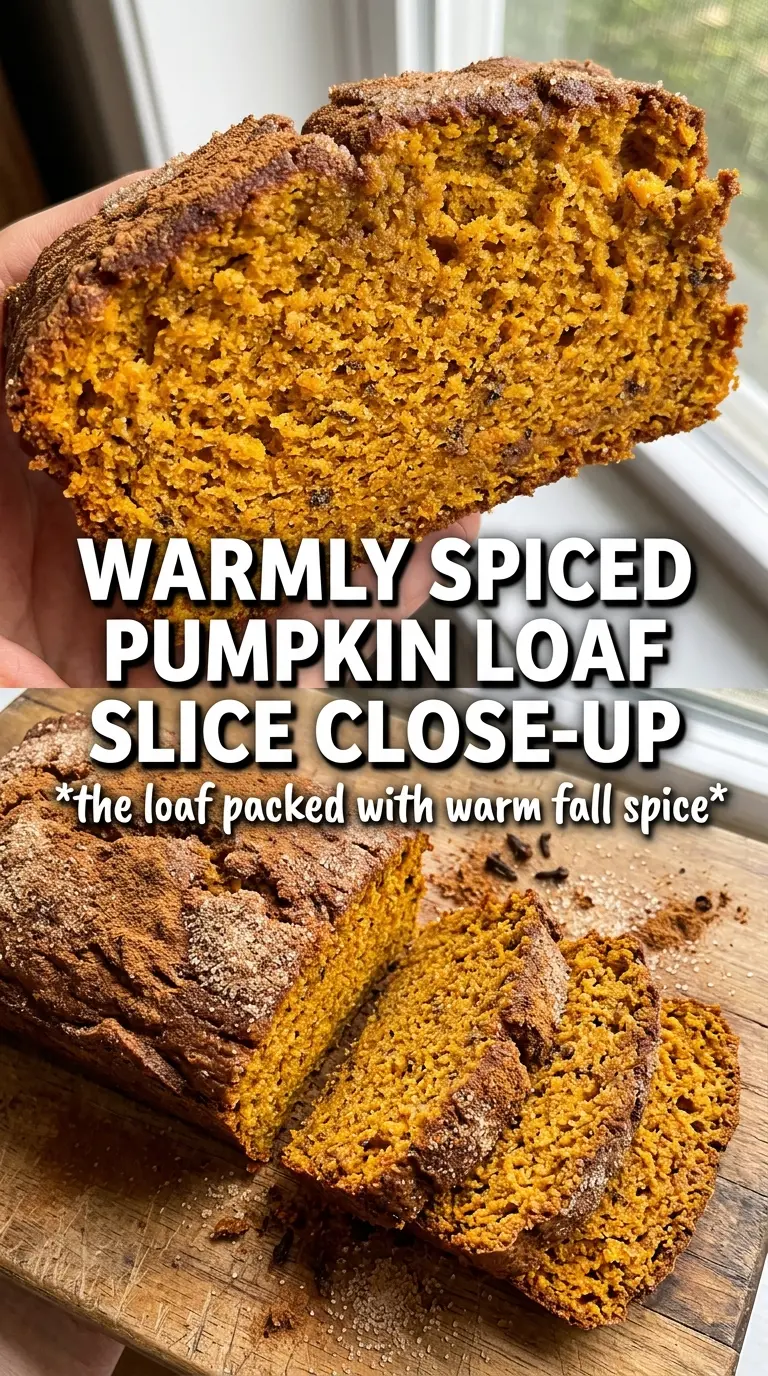
- Pumpkin puree — Use plain pumpkin puree, not pumpkin pie filling. Pie filling is already sweetened and spiced, which throws off the balance and makes the loaf taste muddled. Pumpkin adds moisture and that dense, velvety crumb people expect from a good quick bread.
- Molasses — This is the ingredient that gives the loaf its deeper, almost caramel-like edge. If you skip it, the bread still works, but it tastes brighter and less layered. Use regular unsulfured molasses and measure it carefully; too much will push the loaf toward bitter.
- Brown sugar — Brown sugar keeps the crumb soft and adds a little chew around the edges. White sugar alone would bake up lighter and drier. If you need to swap, use all granulated sugar in a pinch, but expect a less rich flavor.
- Vegetable oil — Oil keeps this bread moist longer than butter does. Butter can work, but it gives a firmer crumb and the loaf dries out faster by day two. If you want the softest slice, oil is the better choice here.
- Brown butter glaze — The glaze is optional in theory, but it makes the loaf taste finished. Browning the butter first gives it a nutty note that cuts through the sweetness and matches the spices instead of covering them up.
Keeping the Loaf Tender from Batter to Slice
Building the Wet Base
Whisk the pumpkin, sugars, oil, eggs, vanilla, and molasses until the mixture looks smooth and glossy. That step matters because molasses can sit in streaks if you rush it, and those streaks can leave pockets of intense flavor in the finished loaf. The batter should look thick but pourable. If it seems oily on top, keep whisking until the sugars start to dissolve into the pumpkin.
Adding the Dry Ingredients Without Toughening the Crumb
Once the flour mixture goes in, switch to a spatula and fold just until the last dry bits disappear. Overmixing develops the flour and gives you a loaf that slices dense and a little rubbery around the edges. The batter should still look slightly uneven when it goes into the pan. That is fine. The oven finishes the job.
Knowing When the Center Is Done
Bake until the top is deeply golden and a tester comes out with a few moist crumbs, not wet batter. Pumpkin bread often looks done before the middle is ready, so don’t trust color alone. If the top is browning too quickly, lay a loose piece of foil over the pan for the last 15 minutes. Let the loaf cool completely before glazing or slicing, or the crumb will compress and the glaze will slide off.
Three Ways to Adjust This Loaf Without Losing the Good Part
Dairy-Free as Written, Just Skip the Glaze Milk Swap
The loaf itself is already dairy-free because it uses oil instead of butter. For the glaze, swap the milk for any unsweetened dairy-free milk and whisk until smooth. The glaze will be a touch thinner with some plant milks, so add the liquid a teaspoon at a time until it drizzles instead of running off the loaf.
Gluten-Free Version with a One-to-One Flour Blend
A good one-to-one gluten-free flour blend works here because the loaf is already tender and moist. The texture will be a little softer and more delicate, so let it cool fully before slicing. If your blend doesn’t include xanthan gum, add the amount the package recommends for quick breads.
Less Sweet, More Spice
Cut the granulated sugar back by 1/4 cup if you want the spices and molasses to come forward more sharply. The loaf will still stay moist because the pumpkin, oil, and brown sugar are doing the heavy lifting. This version tastes a little more breakfast-forward and a little less dessert-like.
Storage and Reheating
- Refrigerator: Store tightly wrapped for up to 5 days. The crumb stays moist, though the glaze may soften on top.
- Freezer: Freeze the loaf or individual slices well wrapped for up to 3 months. Thaw at room temperature before glazing if you froze it plain.
- Reheating: Warm slices in a toaster oven or microwave just until heated through. Too much heat dries quick bread fast, so use short bursts and stop when the center is just warm.
Questions I Get Asked About This Recipe
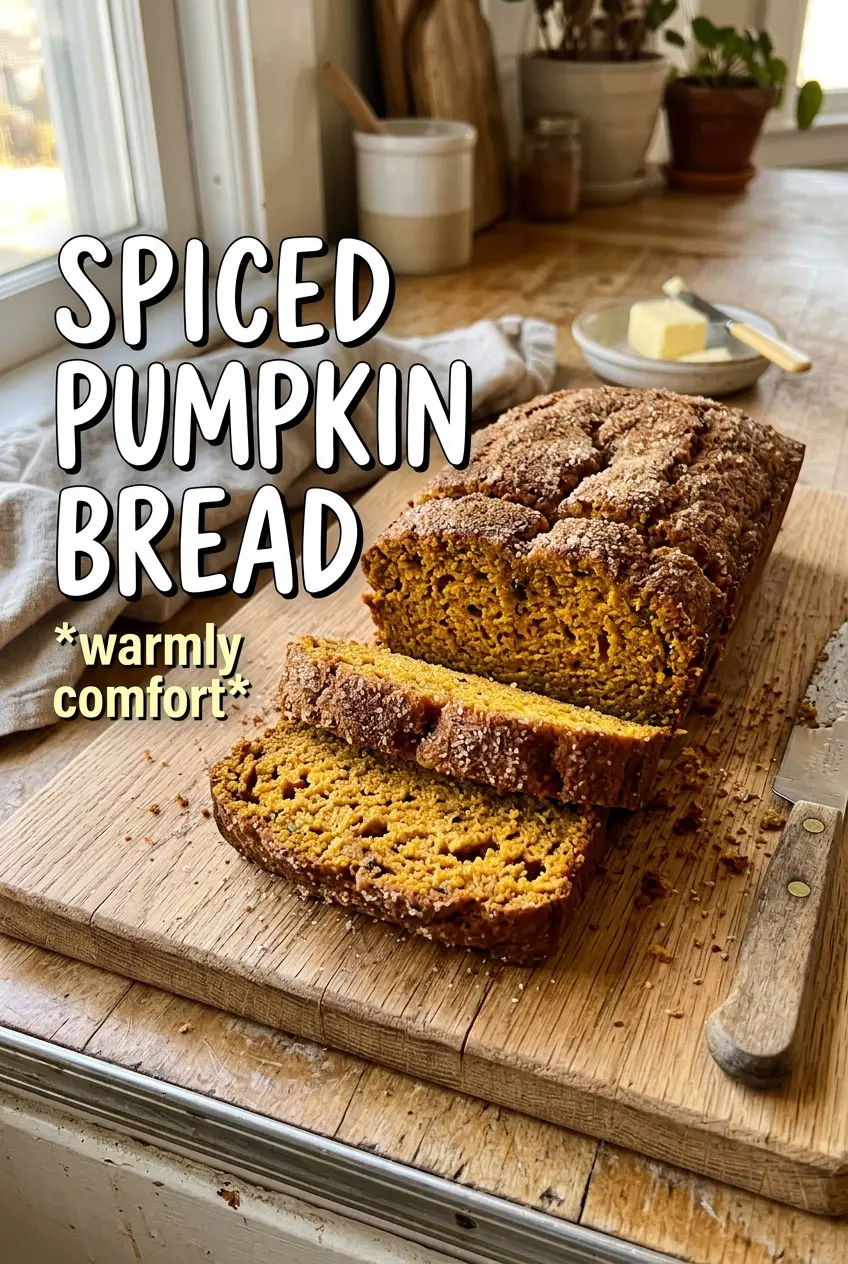
Spiced Pumpkin Bread
Ingredients
Equipment
Method
- Preheat the oven to 350F and grease a 9x5 loaf pan. Place the pan on a sheet pan for easy handling.
- Whisk together all-purpose flour, baking soda, cinnamon, ginger, cardamom, nutmeg, cloves, allspice, black pepper, and salt until evenly combined. The mixture should look uniformly speckled with spices.
- Whisk pumpkin puree, granulated sugar, brown sugar, vegetable oil, eggs, vanilla, and molasses until smooth. Stop when the batter no longer shows streaks and looks glossy.
- Pour the dry ingredients into the wet ingredients and fold just until no dry pockets remain. Scrape the sides and bottom so the batter is evenly hydrated.
- Pour the batter into the greased 9x5 loaf pan. Smooth the top so it bakes evenly.
- Bake at 350F for 60-65 minutes until the center is set and a tester comes out clean or with a few moist crumbs. The loaf should turn a deep golden brown.
- Cool the pumpkin bread completely before glazing. Let it rest until the loaf is firm enough that glaze won’t run off.
- Stir browned butter, powdered sugar, milk, and cinnamon to form a smooth, pourable glaze. Adjust with a tiny splash of milk only if needed for drizzling consistency.
- Drizzle the brown butter glaze over the fully cooled loaf. Use a steady zigzag so the glaze settles and lightly sets on top.