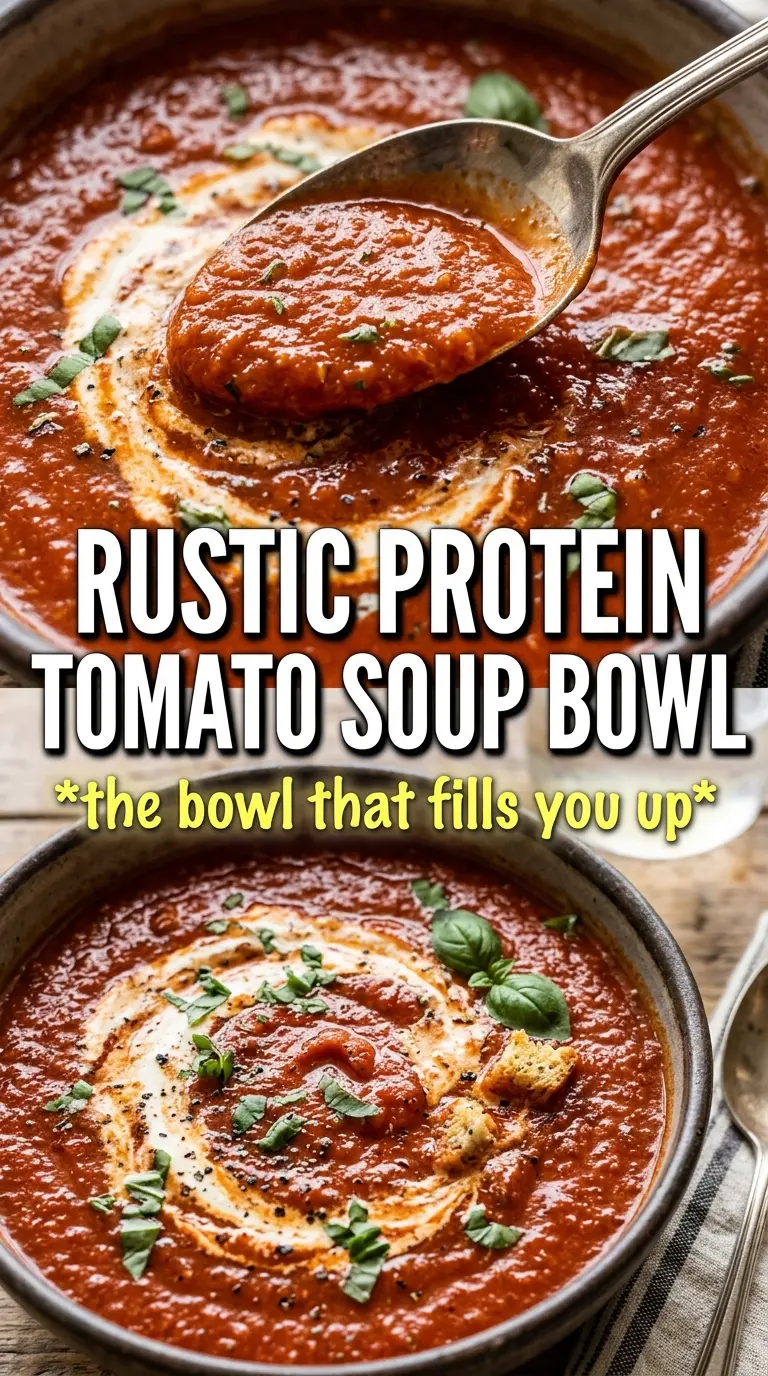
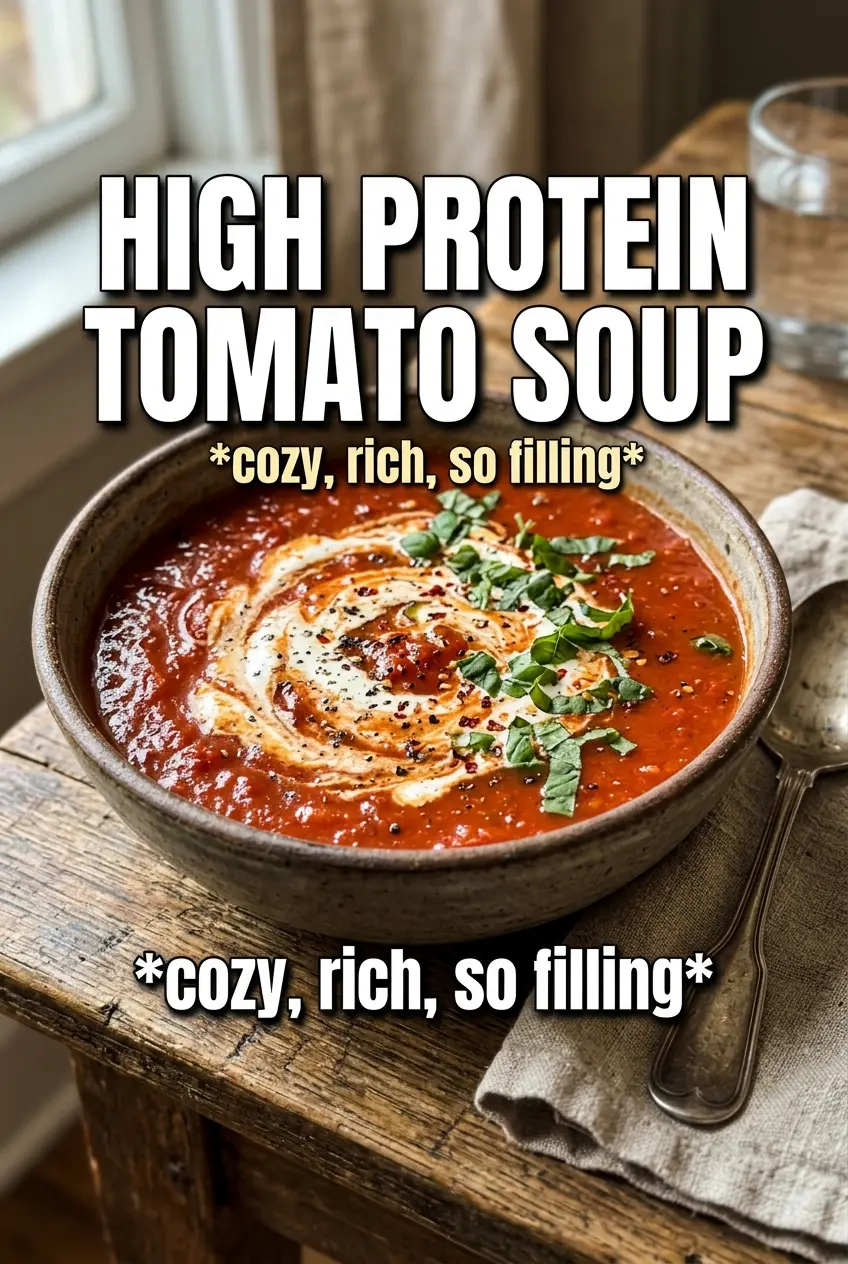
Silky tomato soup gets a lot more satisfying when the body comes from white beans instead of extra cream. The texture lands somewhere between classic comfort soup and a hearty main dish: smooth, rich, and spoon-coating, but still bright with tomato and basil. A grilled cheese crouton on top doesn’t hurt either.
What makes this version work is the balance. The canned plum tomatoes bring deep tomato flavor, the tomato paste adds a little concentration, and the white beans disappear into the broth after blending, giving the soup more substance without turning it heavy. Stir the yogurt or cream in at the end and the soup stays velvety instead of grainy or split.
You’ll find the small details that matter here, like when to blend, why the sweetener matters, and how to keep the finish smooth. The soup is simple, but the order of the steps makes a real difference.
The beans made this soup thicker and more filling than the usual version, and blending everything smooth gave it that restaurant-style texture. I used cream at the end and it stayed silky right through dinner.
Save this high protein tomato soup for a smooth, filling bowl with white beans blended right in and a creamy finish.
The Blended White Beans Are What Keep This Soup Satisfying
Tomato soup can taste flat if it’s all broth and tomato, and it can turn heavy if you pour in too much cream trying to fix that. The white beans solve both problems at once. Once they’re blended, they give the soup a thicker, more substantial body without dulling the acidity of the tomatoes.
The other detail that matters is the simmer. Twenty minutes gives the onion, garlic, and herbs time to soften the sharp edges of the canned tomatoes. If you rush this part, the soup tastes tinny and thin. Letting it simmer before blending makes the final texture smoother and the flavor rounder.
- White beans — Cannellini or great northern beans blend the smoothest and disappear into the soup. If all you have are chickpeas, the soup will still work, but the texture will be a little more rustic and less silky.
- Whole plum tomatoes — Whole tomatoes usually taste better than pre-puréed canned tomatoes here because they cook down with more depth. Crush them lightly with your hands or a spoon as they go in so they break down evenly.
- Greek yogurt or cream — Both give the soup a creamy finish, but they behave differently. Yogurt adds tang and a little more protein; cream gives a softer, richer finish. Either way, stir it in off the heat so it doesn’t split.
- Tomato paste — This is the ingredient that gives the soup a deeper cooked-tomato note. Let it cook with the garlic for a minute or two so it loses that raw edge.
What Each Ingredient Is Actually Doing in This Recipe
- Primary ingredient (the star) — Quality matters most. Choose the best you can find.
- Cooking medium (oil, butter, or broth) — This carries flavors and prevents dryness.
- Seasonings (salt, pepper, spices, herbs) — Layer flavors so nothing overpowers. Build depth gradually.
- Aromatics (garlic, onion, herbs) — Cook with fat to bloom flavors. Become the foundation.
- Supporting ingredients — Complement the main ingredient without overpowering it.
- Sauce or liquid (if applicable) — Brings flavors together. Balance richness with acid.
- Acid (lemon, vinegar, wine, or other) — Brightens and prevents flat-tasting results.
- Final finish (garnish, glaze, or sauce) — Prevents one-dimensional taste and adds visual appeal.
Building the Soup Without Breaking the Finish
Softening the Onion and Tomato Paste
Start with the olive oil and onion in a large pot over medium heat. Cook until the onion is soft and translucent, not browned; if it starts taking on color, turn the heat down. Add the garlic and tomato paste and cook just until the paste darkens a shade and smells sweet, about 2 minutes. That short cook time matters because raw tomato paste tastes sharp and can make the whole pot feel aggressive instead of rounded.
Simmering the Tomatoes and Beans
Add the tomatoes, beans, broth, basil, oregano, and red pepper flakes. Bring the pot up to a gentle simmer, then let it cook uncovered for about 20 minutes. You’re looking for the tomatoes to loosen and the broth to take on a deeper red color. If the heat is too high, the soup can reduce too fast and taste salty before the beans have time to melt into the base.
Blending Until Truly Smooth
Use an immersion blender and blend until there are no visible bean pieces left. This soup should look glossy and even, not speckled with bits of skin or bean. If you’re using a countertop blender, work in batches and vent the lid so the steam can escape. Blend longer than you think you need to; under-blended beans are the main reason this type of soup feels grainy instead of silky.
Finishing With Cream or Yogurt
Take the pot off the heat before you stir in the Greek yogurt or cream. High heat is what causes dairy to curdle or separate, especially yogurt. Add the honey, then season with salt and pepper until the tomato flavor pops and the soup tastes balanced, not sweet. The finish should be smooth, bright, and just rich enough to coat a spoon.
Ways to Adapt It Without Losing the Texture
Make It Dairy-Free
Skip the Greek yogurt or cream and finish with a splash of full-fat coconut milk or an unsweetened oat cream. You’ll lose a little of the classic dairy tang, but the soup stays creamy and smooth. Add the dairy-free finish off the heat the same way so the texture stays clean.
Use Vegetable Broth for a Vegetarian Version
Vegetable broth works well if you want this fully meatless. Choose one with a clean, savory flavor rather than a sweet one, because the tomatoes already bring plenty of acidity and the broth should support them, not compete.
Make It Spicier Without Masking the Tomato
Double the red pepper flakes or add a pinch of cayenne, but keep the heat modest enough that the tomato flavor still leads. Tomato soup turns muddy fast when the spice takes over, so add heat in small amounts and taste after blending.
Storage and Reheating
- Refrigerator: Store in an airtight container for up to 4 days. It will thicken a bit as it chills because of the beans.
- Freezer: Freeze for up to 3 months, but leave out the yogurt or cream if you plan to freeze it. Add the dairy after reheating for the smoothest texture.
- Reheating: Warm it gently on the stove over low to medium-low heat, stirring often. Don’t boil it if you used yogurt or cream, or the finish can separate and turn grainy.
Questions I Get Asked About This Recipe
High Protein Tomato Soup
Ingredients
Equipment
Method
- Heat the olive oil in a large pot over medium heat, then sauté the diced onion for 5 minutes until softened and translucent (visual cue: no longer raw-looking).
- Add the minced garlic and the tomato paste, and cook for 2 minutes, stirring, until fragrant and deepened in color (visual cue: paste looks slightly darker at the edges).
- Add the whole plum tomatoes, drained white beans, chicken or vegetable broth, dried basil, dried oregano, and red pepper flakes to the pot. Bring to a simmer and simmer for 20 minutes until the flavors meld (visual cue: gentle bubbling across the surface).
- Blend completely smooth using an immersion blender until no bean pieces remain (visual cue: thick, silky texture).
- Stir in the honey or sugar, then season with salt and pepper to taste. Taste and adjust before serving (visual cue: flavor feels balanced, not overly sharp).
- Remove the pot from heat, then stir in the Greek yogurt or cream until fully incorporated and creamy (visual cue: uniform lighter color without lumps).
- Serve hot with fresh basil on top (visual cue: bright green leaves).