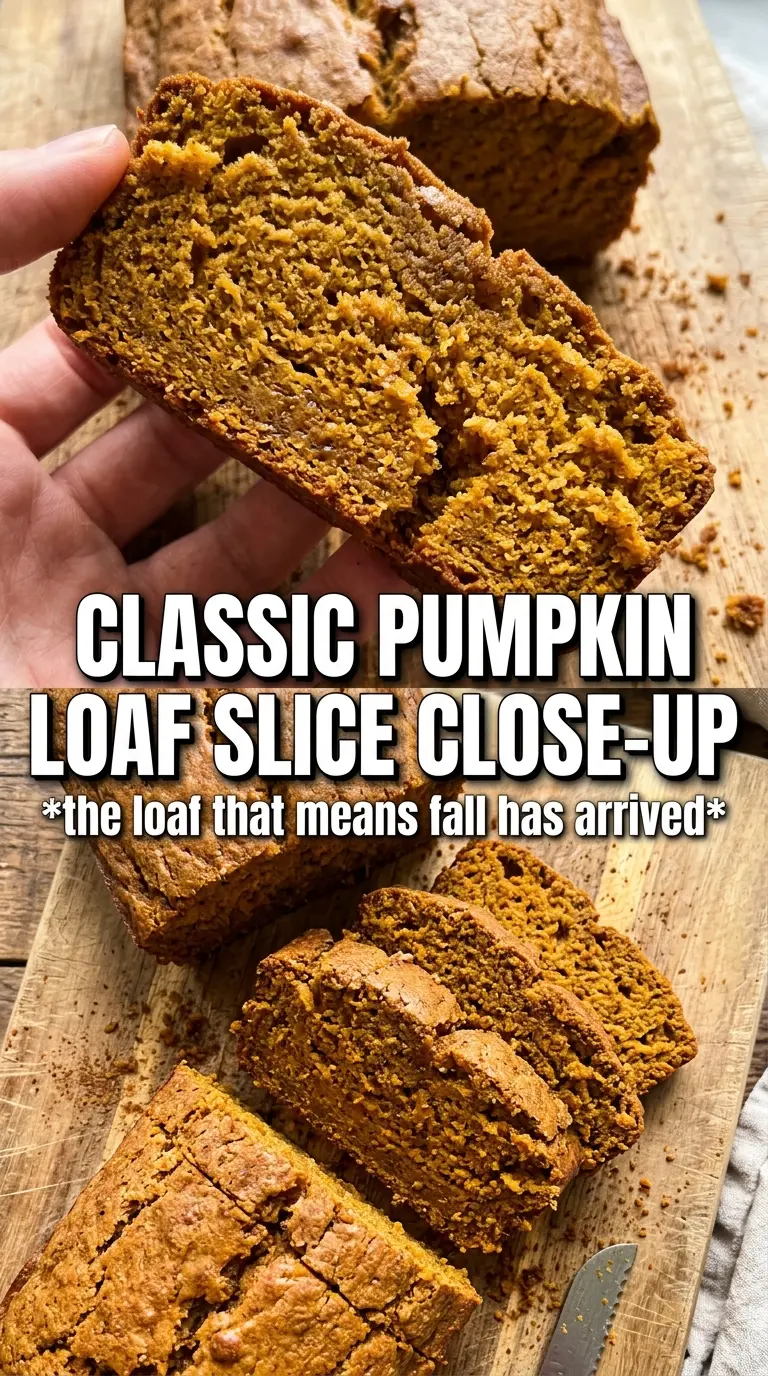
Pumpkin bread earns its keep when the crumb stays tender for days and the top splits into that deep, bakery-style crack as it bakes. The spice is warm without taking over, the pumpkin comes through clearly, and the loaf slices cleanly instead of turning gummy or dense. It’s the kind of quick bread that disappears for breakfast, afternoon coffee, and one more slice before bed.
What makes this version work is the balance of moisture and structure. Pumpkin puree brings body, but the loaf still needs enough flour and just enough leavening to rise without collapsing in the center. Brown sugar adds a little molasses depth, while oil keeps the crumb softer than butter would after the first day. The batter also leans on a smooth wet mixture before the dry ingredients go in, which helps the loaf bake evenly and keeps the texture fine and even.
Below, I’ve included the one mixing mistake that causes most quick breads to turn tough, plus a few smart swaps for making this loaf dairy-free or a little more spiced without throwing off the texture.
The loaf rose beautifully and sliced without crumbling, and the crack on top made it look just like the bakery version. I used buttermilk and the crumb stayed extra moist for three days.
Save this pumpkin bread for the mornings when you want a soft, spiced loaf with that classic cracked top and a moist orange crumb.
The One Mixing Rule That Keeps Pumpkin Bread Tender
The biggest problem with pumpkin bread is overworking it after the flour goes in. Once the wet and dry ingredients are combined, the gluten starts developing fast, and that’s how you end up with a loaf that bakes up tough instead of plush. A few streaks of flour are better than a perfectly smooth batter if the alternative is stirring for another minute.
This batter also bakes best when the wet ingredients are whisked until completely smooth before they meet the flour. That step matters because pumpkin puree can hide little lumps that make the batter look mixed before it actually is. Smooth wet ingredients help the loaf rise evenly and keep the crumb tight enough to slice, but not heavy.
- Stop folding as soon as the flour disappears. The batter should look thick and a little lumpy.
- If you want a taller loaf, don’t add extra flour to “fix” a loose batter. The pumpkin and milk already set the moisture level.
- Let the oven fully preheat before the pan goes in. Quick breads need steady heat from the start for the center to cook before the top dries out.
What Each Ingredient Is Doing in the Loaf
- Pumpkin puree — This is the main source of moisture and the flavor that makes the loaf taste like pumpkin bread instead of plain spice bread. Use pure pumpkin puree, not pumpkin pie filling, or the sugar and spice balance will be off.
- All-purpose flour — This gives the loaf its structure. Bread flour is too strong here and will make the texture chewy instead of tender.
- Brown sugar — It adds a deeper sweetness and helps the crumb stay soft. Light brown sugar works fine; dark brown sugar will make the loaf taste a little richer and more molasses-like.
- Vegetable oil — Oil keeps the bread moist for days. Melted butter can work, but the loaf will firm up faster once it cools.
- Milk or buttermilk — This loosens the batter just enough for a soft crumb. Buttermilk adds a little tang and makes the loaf taste slightly fuller, but regular milk is still good.
- Pumpkin pie spice, cinnamon, and nutmeg — These layer the spice so the bread tastes warm and rounded instead of flat. If your pumpkin pie spice is old, replace it first; stale spices are the fastest way to make this loaf taste muted.
Building the Batter and Baking It Through
Whisk the Dry Ingredients First
Combine the flour, baking soda, pumpkin pie spice, cinnamon, nutmeg, and salt in a large bowl and whisk them well. This spreads the leavening and spices evenly through the flour so you don’t get bitter pockets or a loaf that rises unevenly. If your baking soda clumps, the bread can bake up with streaks that taste off.
Make the Wet Mixture Completely Smooth
In a separate bowl, whisk the pumpkin puree, both sugars, oil, eggs, vanilla, and milk until the mixture looks glossy and uniform. You want the sugar mostly dissolved and the pumpkin fully broken up. If it still looks streaky or grainy, keep whisking a little longer before adding the dry ingredients.
Fold, Don’t Beat
Pour the wet mixture into the dry ingredients and fold just until combined. The batter should look thick and cohesive, but not overworked. If you keep stirring after the flour disappears, the loaf can come out dense and a little rubbery instead of soft.
Bake Until the Center Springs Back
Scrape the batter into a greased 9×5 loaf pan and smooth the top. Bake at 350°F for 60 to 65 minutes, until a toothpick inserted in the center comes out clean or with a few moist crumbs. If the top browns before the center is done, tent it loosely with foil for the last 10 to 15 minutes.
Cool Before You Slice
Let the loaf rest in the pan for 15 minutes, then move it to a rack and cool completely. This is the part people skip, and it’s why their slices fall apart or turn gummy in the middle. The bread finishes setting as it cools, and the crumb firms up enough to cut cleanly.
How to Adapt This Pumpkin Bread for Different Kitchens
Dairy-Free Version
Use unsweetened almond milk, oat milk, or another plain non-dairy milk in place of the milk or buttermilk. The loaf still bakes up moist because the oil and pumpkin carry most of the texture. If you use a richer non-dairy milk, the crumb can taste a touch softer and rounder.
A Little More Spice
Add another 1/2 teaspoon cinnamon or a pinch more nutmeg if you want the loaf to taste warmer and more aromatic. Don’t double the spice blend all at once, because too much spice can make the bread taste dusty instead of balanced.
Muffin-Style Bake
Divide the batter among greased or lined muffin cups and bake at the same temperature until the centers spring back and a tester comes out clean, usually around 18 to 22 minutes. You’ll lose the long loaf shape, but you gain more browned edges and a faster bake time.
Storage and Reheating
- Refrigerator: Store wrapped or in an airtight container for up to 5 days. The crumb stays moist, though the spice flavor settles a little more by day two.
- Freezer: This loaf freezes well. Wrap slices or the whole cooled loaf tightly in plastic wrap and foil, then freeze for up to 3 months.
- Reheating: Warm slices in the microwave for 10 to 15 seconds or in a low oven until just heated through. Don’t blast it on high heat or the edges dry out before the center softens.
Questions I Get Asked About This Recipe
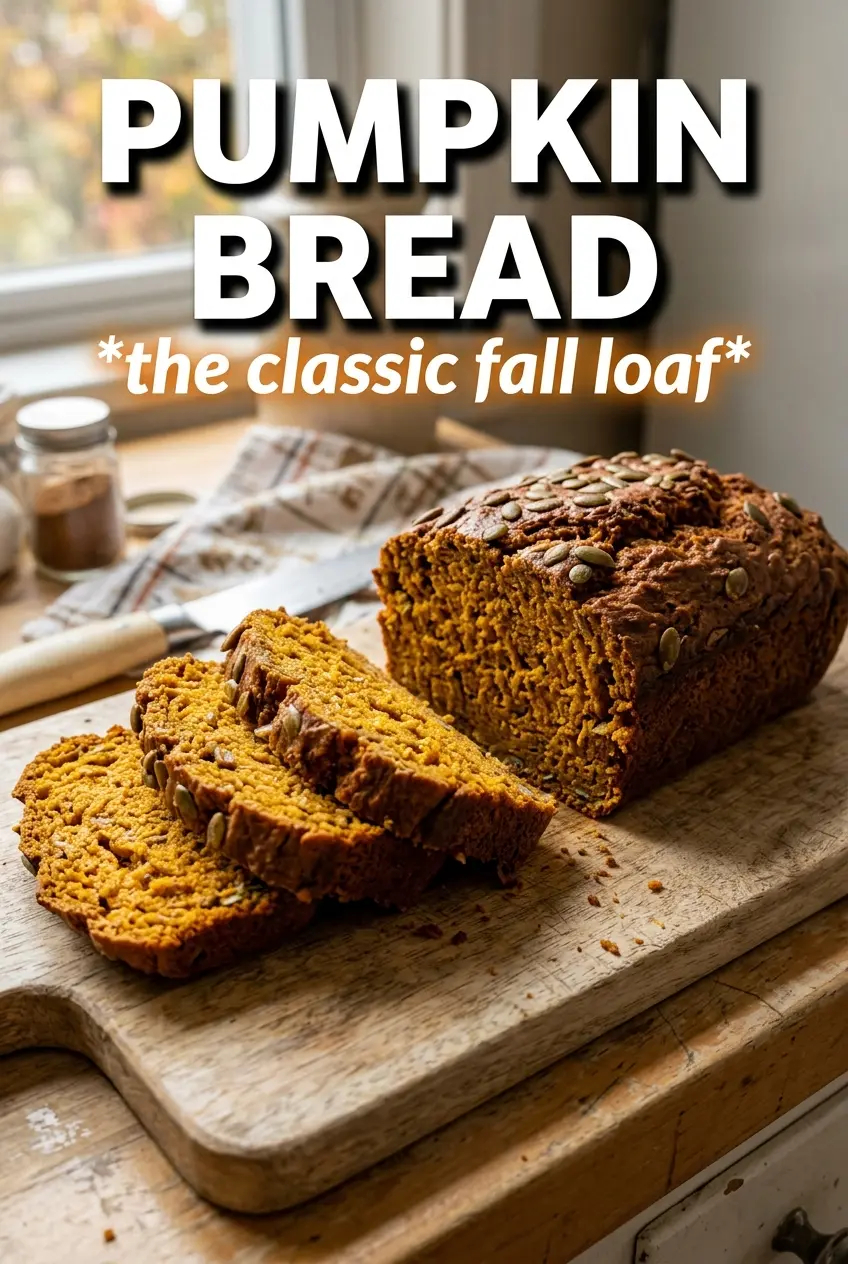
Pumpkin Bread
Ingredients
Equipment
Method
- Preheat the oven to 350F and grease a 9x5 loaf pan. The pan should be ready for batter so it goes in immediately after mixing.
- Whisk all-purpose flour, baking soda, pumpkin pie spice, cinnamon, nutmeg, and salt in a large bowl until evenly combined. You should see no spice clumps.
- Whisk pumpkin puree, granulated sugar, brown sugar (packed), vegetable oil, eggs, vanilla extract, and milk or buttermilk in a separate bowl until completely smooth. Stop mixing when the mixture looks glossy and uniform.
- Pour the wet mixture into the dry ingredients and fold until just combined. Do not overmix—a few streaks of flour are fine.
- Pour the batter into the prepared loaf pan and smooth the top. Aim for an even surface so the loaf bakes with a clean top.
- Bake at 350F for 60-65 minutes, until a toothpick inserted in the center comes out clean. The loaf should turn a deep golden color and pull slightly at the edges.
- Cool in the pan for 15 minutes, then remove and cool completely before slicing. Cutting too soon can make the center seem dense or gummy.